
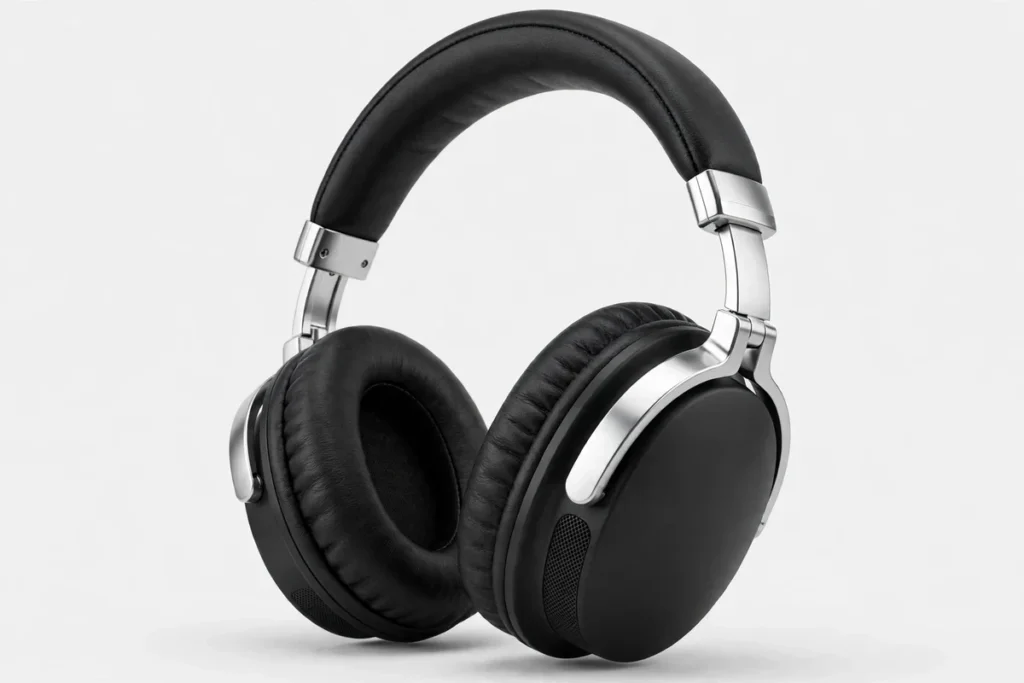
This Bose QuietComfort Ultra Headphones (2nd Gen) review covers Bose’s flagship noise canceller after a careful refresh. The shell, cushions and controls carry over from the previous model almost untouched. What changed sits underneath: lossless audio over USB-C, a Cinema Mode for video, noise cancelling you can finally switch off, and a battery that lasts a full long-haul day. Our product database scores it 9.0 out of 10, with a 9.7 for noise cancelling, the highest ANC score we give any headphone. Here is where those numbers come from, and where the Ultra still gives ground.

Why you: The strongest noise cancelling Bose makes, CustomTune ear calibration, Immersive Audio, and battery that finally lasts a full long-haul day.
Trade-off: Immersive Audio trims battery life to about 23 hours, and this is the priciest headphone in the Bose line.
| Sound | 9.0 | |
| ANC | 9.7 | |
| Calls | 9.0 | |
| Comfort | 9.2 | |
| Battery | 8.4 | |
| Value | 8.4 |
The short version
Buy the QuietComfort Ultra Headphones (2nd Gen) for two things: silence and comfort. No rival we score cancels noise better, and few flagships stay this easy to wear across a whole working day or a long flight. The sound is big and warm, with a low end that runs hot until you trim it in the app. The catch is the same one Bose always ships: this is the most expensive headphone in the Bose line, the app EQ has only three bands, and there is no water resistance of any kind. If you own the previous model, the upgrades are real but small. If you are coming from anything older, this is the Bose flagship to get.
How this review works: it is a research review built from Bose’s published specifications, the Amazon listing, and our own product database, where this model already carries the published scores shown above. We do not claim hands-on testing.
What changed from the previous model
Bose kept the name, the shape and most of the hardware, so telling the two generations apart matters. Our review of the previous QuietComfort Ultra covers the original in full. The 2nd Gen changes are these:
- USB-C wired audio. Plug into a laptop or phone and the headphones take a digital, lossless signal at up to 16-bit/48 kHz. The previous model was analog-only over its cable. You can also keep listening while the same cable charges the battery.
- Cinema Mode. A second Immersive Audio mode tuned for video, widening dialogue and effects so films sound less stuck inside your head.
- Noise cancelling you can switch off. The previous model always ran some level of processing. This one lets you turn ANC fully off, which stretches battery life to a rated 45 hours.
- Longer battery. Rated life in Quiet mode climbs from 24 hours to 30, and head detection is quicker to wake the headphones when you put them back on.
- Polished metal yokes and Bluetooth 5.4 replace the plainer finish and older radio of the first model.
What did not change: the earcup shape, the protein-leather cushions, the folding frame and hard case, the three physical and touch controls on the right cup, and CustomTune calibration. The stock sound signature keeps its bass-forward character too.
Noise cancelling: still the benchmark
Quiet mode is the reason this headphone exists. Bose fits its strongest cancellation here, with adjustable levels in the Bose app, so you can dial in anything from full isolation down to a light filter for an office. Aware mode passes the world through, and ActiveSense watches for sudden loud sounds, a blender or a passing siren, and briefly tightens cancellation until they pass. In our scoring the ANC mark of 9.7 puts it at the top of the noise cancelling field we track, a step ahead of Sony’s flagship.
Two honest notes. First, the improvement over the previous model is in consistency and control rather than a dramatic jump in raw quiet; owners of the original will not hear a different class of silence. Second, like most sealed ANC headphones, it can produce a faint pressure sensation on some ears, and wind can worry the microphones on a blustery platform. Neither stops it being the first headphone we point frequent flyers at.
Sound: big, warm and easy to steer
CustomTune runs a short calibration tone when you put the headphones on and shapes the response to your ears, which keeps the sound consistent from wear to wear. The stock tuning is unapologetically consumer: a broad bass lift, clear vocals and a treble that stays polite. Pop, hip-hop and film scores sound full and confident. Busy rock mixes and acoustic recordings can feel bottom-heavy, and the fix sits in the Bose app’s three-band equalizer. Pulling the bass band down a few steps opens the midrange up without touching the headphone’s character.
Immersive Audio lifts the soundstage out of your head and places it in front of you, with Still and Motion settings depending on whether you are seated or walking. Cinema Mode applies the same treatment to video and keeps dialogue anchored. Wireless codecs cover SBC and AAC, plus aptX Adaptive on phones with Snapdragon Sound, which also brings a low-latency gaming mode. iPhone owners get AAC, which the iPhone handles well. At a desk, the USB-C cable is the best-sounding connection the headphone has: a clean digital feed with no Bluetooth compression at all.
Comfort and design
At 264 g the Ultra is light for a flagship, and the weight it has is spread well. The headband padding is broad, clamp force is gentle, and the protein-leather cushions seal without cooking your ears on a long session. Our comfort score of 9.2 reflects that balance; glasses wearers in particular tend to get on with this frame. The polished metal yokes make this generation look a step above the standard QuietComfort, and the earcups fold flat into a compact hard case that travels well.
Controls sit on the right earcup: a power and Bluetooth button, a multi-function button for playback, calls and mode switching, and a capacitive strip you swipe for volume or hold for a shortcut. On-head detection pauses music when you lift the headphones off and resumes when you put them back. One gap: there is no IP rating, and Bose is explicit that the headphones should be kept dry. Treat them as travel and desk headphones, not gym headphones.
Calls
The microphone array works hard on the Ultra. Bose pairs it with noise rejection that strips out keyboard clatter, office chatter and street noise before it reaches the person you are talking to, and your voice stays forward even on a busy pavement. Wind still costs some clarity, as it does on every headphone in this class. Our calls score of 9.0 matches the best over-ears we track, and for people who take calls in shared spaces this is a genuine reason to pick the Ultra over rivals that sound a touch better but call worse.
Battery and charging
Bose rates the battery at up to 30 hours in Quiet or Aware mode, 23 hours with Immersive Audio running, and up to 45 hours with noise cancelling switched off. That is a solid step up from the previous model and enough for a week of commuting or the longest connecting itinerary most people will ever book. A full charge over USB-C takes about three hours, and a 15-minute top-up returns roughly two and a half hours of playback. Because the USB-C port now carries audio as well as power, a dying battery at your desk is a non-event: plug in and keep listening while it charges.
Specifications
| Product | Bose QuietComfort Ultra Headphones (2nd Gen) |
| Form | Over-ear, closed-back, folding |
| Weight | 264 g |
| Noise cancelling | Adjustable ANC, Quiet / Aware / Immersion modes, Cinema Mode, ActiveSense, can be switched off |
| Bluetooth | 5.4, multipoint, about 30 ft range |
| Codecs | SBC, AAC, aptX Adaptive (Snapdragon Sound) |
| Battery life | Up to 30 h (ANC on), 23 h with Immersive Audio, up to 45 h (ANC off) |
| Charging | USB-C, about 3 h full charge, 15 min for about 2.5 h playback, listen while charging |
| Wired audio | USB-C digital audio up to 16-bit/48 kHz; 3.5 mm to 2.5 mm analog cable included |
| Controls | Buttons plus capacitive volume strip, on-head detection |
| App | Bose app: 3-band EQ, ANC levels, custom modes, shortcuts |
| Water resistance | None, no IP rating |
| In the box | Headphones, carry case, USB-C cable, 3.5 mm to 2.5 mm audio cable |
Against the Sony WH-1000XM6
The real fight for this headphone is Sony’s flagship. In our database the two sit level on 9.0 overall and split the details: the Bose cancels harder and rides more comfortably on long days, while the Sony counters with LDAC for hi-res wireless on Android and a longer feature list in its app. The Bose answers with aptX Adaptive and proper USB-C audio, which the Sony cannot do. Our full Sony WH-1000XM6 vs Bose QuietComfort Ultra 2 head-to-head breaks the contest down section by section.
| Bose QuietComfort Ultra Headphones (2nd Gen) | 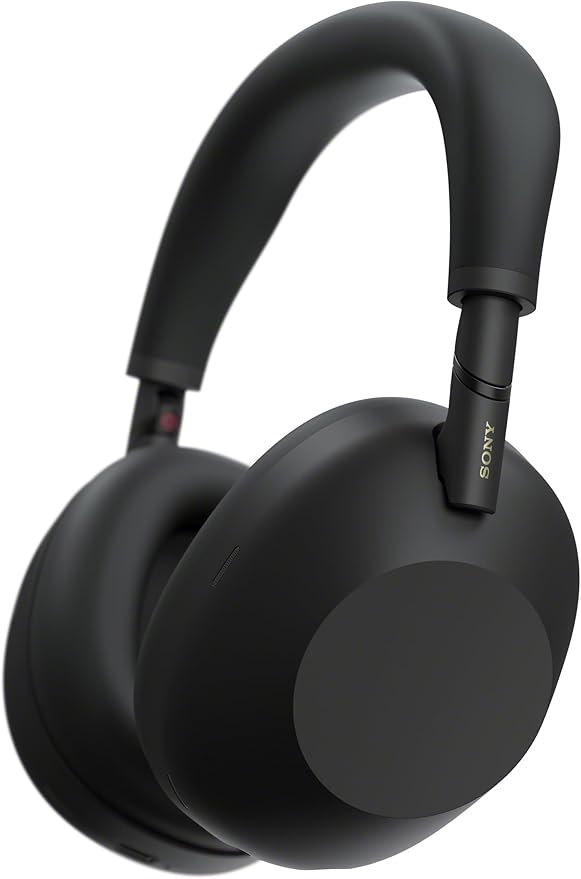 Sony WH-1000XM6 | |
| Our overall score | 9.0 | 9.0 |
| ANC score | 9.7 | 9.5 |
| Battery (ANC on) | 30 h | 30 h |
| Bluetooth | 5.4 | 5.3 |
| Hi-res wireless | aptX Adaptive | LDAC |
| USB-C audio | Yes, lossless | No |
| Weight | 264 g | 254 g |
| Check price | Check Price | Check Price |
Who should buy it, and who should skip it
Buy it if you fly often, work in a loud shared space, or wear headphones for most of the day. The combination of top-tier cancellation, gentle clamp and a 30-hour battery is exactly what those days ask for, and calls are good enough to leave a headset in the drawer. Buy it too if your listening is split between a phone and a laptop, since multipoint and USB-C audio make the swap painless.
Skip it if you already own the previous model and it still works; the changes here are refinements, not a new class of headphone. Skip it if your phone is a Samsung Galaxy and hi-res wireless matters to you, because there is no LDAC here and Galaxy phones do not send aptX Adaptive. And skip it for the gym or rainy runs: with no water resistance, a cheaper pair should take that abuse. The rest of the Bose line, including the standard QuietComfort that costs less and lasts longer per charge, is ranked in our best Bose headphones roundup.
FAQ
Is the QuietComfort Ultra (2nd Gen) better than the previous model?
Yes, in specific ways. It adds lossless USB-C wired audio, a Cinema Mode for video, the option to switch noise cancelling off entirely, a longer 30-hour battery in Quiet mode and Bluetooth 5.4. The shell, fit and basic sound character are carried over, so it is an upgrade for new buyers rather than a must-swap for current owners.
How long does the battery last?
Bose rates it at up to 30 hours with noise cancelling on, 23 hours with Immersive Audio, and up to 45 hours with noise cancelling switched off. A 15-minute charge adds about two and a half hours, and you can listen over USB-C while it charges.
Can you listen wired?
Two ways. USB-C carries a digital lossless signal from a phone or computer at up to 16-bit/48 kHz, and the box also includes a 3.5 mm to 2.5 mm analog cable for seat-back screens and older gear.
Can you turn the noise cancelling off?
Yes. This generation lets you switch noise cancelling fully off in the Bose app or with a custom mode, which the previous model could not do. Turning it off is also how you reach the longest battery figure.
Does it connect to two devices at once?
Yes. Multipoint Bluetooth keeps it paired to two devices, so it can sit on your laptop for a call and jump to your phone for music without re-pairing.
Is it waterproof?
No. There is no IP rating and Bose says to keep the headphones dry. They are built for travel, offices and home listening, not workouts or wet weather.

I am the founder of Sound Mavericks, where I provide the polite truth about audio equipment. I started this site because consumer electronics reviews are often too technical. Instead of using a silent lab, I test headphones, earbuds, and Bluetooth speakers in the real world – like on a noisy subway or in a busy coffee shop.
To stay independent, I buy my own review units (mostly from the United States) rather than accepting free gifts from brands. Once I finish testing a product, I sell it locally to our community. My goal is to help you understand sound quality, active noise cancellation (ANC), and battery life without the marketing hype.
