YouTube Music and Spotify are the two services your headphones will spend the most time with in 2026. Both offer enormous libraries and similar premium tiers — but for a headphone listener, the comparison hinges on a very specific set of questions: which streams at the higher bitrate, does either offer lossless, how good is the EQ, how do offline downloads behave, and which one actually sounds better through a good pair of headphones?
Short version before the evidence: Spotify is the better-sounding service in 2026. Its premium tier tops out at 320 kbps, it now offers a lossless tier (up to 24-bit FLAC), its EQ is more flexible, and its gapless playback is reliable. YouTube Music caps at 256 kbps AAC with no lossless option — but it has the one catalogue Spotify can’t touch: live sets, remixes, covers, and uploads that were never commercially released. Which matters more depends on what you listen to and what you listen on.
Higher max bitrate, a genuine lossless tier, better EQ, and reliable gapless playback. If you own good headphones or IEMs, Spotify extracts more from them.
Live recordings, DJ sets, remixes, covers, and fan uploads you won’t find on Spotify. Sound quality tops out at 256 kbps AAC — but no other service has these tracks at all.
Side-by-Side Comparison
| Feature | Spotify | YouTube Music |
|---|---|---|
| Max streaming bitrate | 320 kbps (Ogg Vorbis / AAC) | 256 kbps (AAC / Opus) |
| Lossless tier | Yes — up to 24-bit FLAC | No |
| Free tier | Yes (ads, shuffle-only on mobile) | Yes (ads, background play limited) |
| Offline downloads | Yes, premium tier (capped per device) | Yes, premium tier (generous, no practical cap) |
| Gapless playback | Yes, reliable and long-standing | Inconsistent — not guaranteed on all devices |
| Built-in EQ | Yes — adjustable bands plus presets (mobile) | Yes — basic, fewer controls |
| Volume normalization | Yes, adjustable | Yes, mostly automatic |
| Crossfade | Yes, adjustable | No |
| Music videos | No native support | Full library, seamless song/video switching |
| Unreleased content (live, remixes, covers) | Minimal — official releases only | Extensive — the service’s biggest strength |
| Podcasts and audiobooks | Large built-in library, same app | Limited, via YouTube |
| Cloud uploads | Local files only | Upload your own library, synced across devices |
| Discovery and playlists | Best in class — Discover Weekly, Daylist, collaborative playlists, Blend | Good recommendations, weaker social features |
Audio Quality and Bitrate: Spotify Wins on Paper and in Practice
This is the category that matters most to headphone listeners, and it’s not close. Spotify’s premium tier streams at up to 320 kbps in Ogg Vorbis (AAC in some clients), and in 2026 Spotify offers a lossless tier reaching 24-bit FLAC. YouTube Music tops out at 256 kbps AAC, with no lossless option at any tier.
How much of that is actually audible? It depends entirely on what sits between the service and your ears. Over basic Bluetooth earbuds in a noisy commute, 256 kbps AAC versus 320 kbps Ogg is nearly indistinguishable — AAC is an efficient codec, and reviewers consistently find the difference hard to hear on casual setups. But on wired headphones, high-quality IEMs, or LDAC-capable gear fed by a lossless source, Spotify’s lossless tier is a clear, audible step up that YouTube Music simply cannot match. Keep in mind that over Bluetooth, the Bluetooth codec negotiated between your phone and headphones is the final ceiling on quality — the streaming bitrate only matters up to that point.
Winner: Spotify.
Lossless and High-End Headphones: Only Spotify Plays
If you’ve invested in headphones that can resolve fine detail — planar IEMs, studio monitors, or flagships wired directly to a DAC — the lossless question decides the comparison on its own. Spotify’s lossless tier gives you the source file’s full detail; YouTube Music’s 256 kbps ceiling compresses it away before it ever reaches your headphones.
For ANC headphone users listening over Bluetooth, the gap narrows dramatically: LDAC itself tops out well below lossless, and most listeners won’t reliably tell 256 from 320 kbps through active noise cancelling. But the moment you plug in — which high-end IEMs and headphone users do — Spotify is the only one of the two that can give your hardware what it’s capable of resolving.
Winner: Spotify.
EQ and Sound Tweaking: Spotify Gives You the Knobs
Headphone listeners tweak. Spotify’s mobile app includes a built-in equalizer with adjustable bands and presets — enough to tame a headphone’s treble peak or lift the bass without leaving the app. YouTube Music also has an EQ, but it’s basic and less granular.
There’s a practical reason this matters more than people think: on many headphones, a small EQ adjustment does more for perceived sound quality than the 256-versus-320 kbps gap ever could. Spotify also offers adjustable audio normalization (keeping tracks at consistent volume) and adjustable crossfade for party-style playback. YouTube Music normalizes volume automatically but offers no crossfade, and its gapless playback — critical for live albums, classical, and DJ mixes — has been inconsistent across devices.
Winner: Spotify.
Offline Downloads: YouTube Music Is More Generous
Both services let premium subscribers download for offline listening — the feature headphone users rely on for phone-free runs, flights, and gym sessions. Spotify caps downloads per device and limits how many devices can hold offline content. YouTube Music imposes no practical download cap, which is genuinely useful if you maintain a large offline rotation. One caveat worth knowing: YouTube Music may automatically drop your streaming bitrate on cellular data unless you set quality to high manually.
One of the first headphone-oriented uses for downloads is travel — and if long flights are where you listen most, our travel headphones roundup pairs well with a well-stocked offline library.
Winner: YouTube Music, on generosity.
Discovery and the Catalogue: Different Strengths
Spotify remains the discovery king: Discover Weekly, Daylist, collaborative playlists, and Blend make it the service that finds you new music — and surfaces it in a listening-first interface. YouTube Music’s recommendation engine is good, but its social and playlist features lag behind.
YouTube Music’s catalogue is where it fights back hard. Because it draws on YouTube’s upload universe, it hosts live recordings, DJ sets, remixes, covers, and rare tracks that were never commercially released — content Spotify simply doesn’t have. For electronic, hip-hop, and live-music fans who listen on headphones to hunt detail in recordings, that exclusive catalogue can outweigh every quality row above it.
Winner: Spotify for discovery; YouTube Music for unreleased content.
Headphones That Reveal the Difference
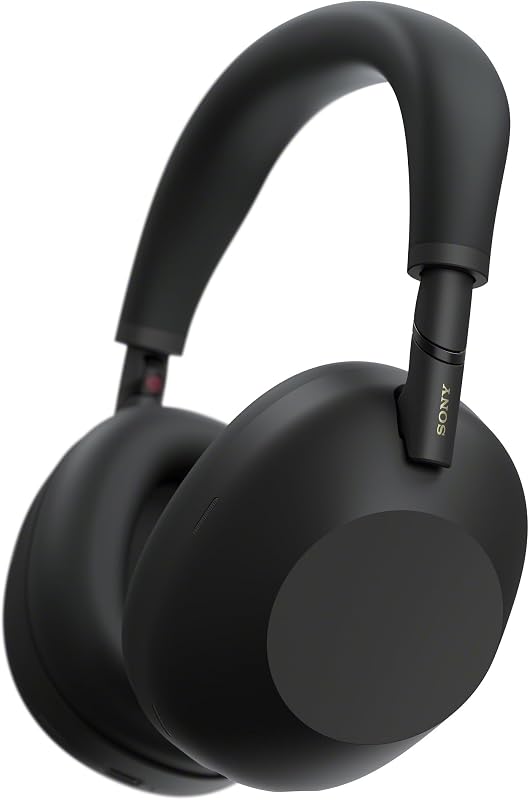
If this comparison has you wondering whether your current headphones would even resolve the gap between 256 and lossless, these are the two flagships where the difference is most audible — both with deep apps, strong ANC, and wired options for serious listening. See our WH-1000XM4C review and XM6 vs QuietComfort Ultra 2 comparison for the full breakdowns.

Verdict: Which Should a Headphone Listener Pick?
Pick Spotify if sound quality is the priority. The lossless tier, higher standard bitrate, better EQ, and reliable gapless playback make it the clear choice for anyone listening on good headphones or IEMs — and its discovery engine keeps the music fresh.
Pick YouTube Music if your listening revolves around live sets, remixes, covers, and rarities. Its exclusive catalogue is a genuine moat: no amount of Spotify’s bitrate advantage matters if the track you want doesn’t exist there. It’s also the natural pick if you already want ad-free YouTube, since the music service is bundled in.
For most headphone listeners in 2026, Spotify wins the comparison — but the honest answer is that the winner depends on your ears, your headphones, and whether you value fidelity or rarity more. If Bluetooth codecs are the part of this you want to understand next, our codec explainer covers how LDAC, aptX, and AAC actually affect what reaches your headphones, and our Auracast headphones guide looks at where wireless audio is heading.
Frequently Asked Questions
Does Spotify or YouTube Music have better sound quality?
Spotify. Its premium tier streams at up to 320 kbps and it offers a lossless tier (up to 24-bit FLAC) in 2026, while YouTube Music tops out at 256 kbps AAC with no lossless option. On basic Bluetooth earbuds the difference is hard to hear, but on wired headphones or high-quality IEMs Spotify is clearly better.
Which streaming service sounds better on good headphones?
Spotify. Good headphones and IEMs resolve the detail that lossy compression removes, so Spotify’s higher bitrate and lossless tier give better-sounding headphones more to work with. Over Bluetooth, the negotiated Bluetooth codec between your phone and headphones is the limiting factor, so the gap is smaller on wireless ANC headphones.
Does YouTube Music have lossless audio?
No. As of 2026, YouTube Music’s maximum quality is 256 kbps AAC, with no lossless tier announced. Spotify is the only one of the two offering lossless (up to 24-bit FLAC).
Which has better EQ, Spotify or YouTube Music?
Spotify. Its mobile app includes an equalizer with adjustable bands and presets, plus adjustable volume normalization and crossfade. YouTube Music’s EQ is more basic with fewer controls.
Can you download music offline on both services?
Yes, both offer offline downloads on their premium tiers. Spotify caps downloads per device; YouTube Music is more generous with no practical cap. Both are useful for phone-free listening — see our travel headphones roundup for the listening side of that equation.
Does YouTube Music have gapless playback?
Not reliably. Gapless playback support on YouTube Music has been inconsistent across devices and versions, which matters for live albums, classical recordings, and DJ mixes. Spotify’s gapless playback is long-standing and reliable, with adjustable crossfade on top.

I am the founder of Sound Mavericks, where I provide the polite truth about audio equipment. I started this site because consumer electronics reviews are often too technical. Instead of using a silent lab, I test headphones, earbuds, and Bluetooth speakers in the real world – like on a noisy subway or in a busy coffee shop.
To stay independent, I buy my own review units (mostly from the United States) rather than accepting free gifts from brands. Once I finish testing a product, I sell it locally to our community. My goal is to help you understand sound quality, active noise cancellation (ANC), and battery life without the marketing hype.