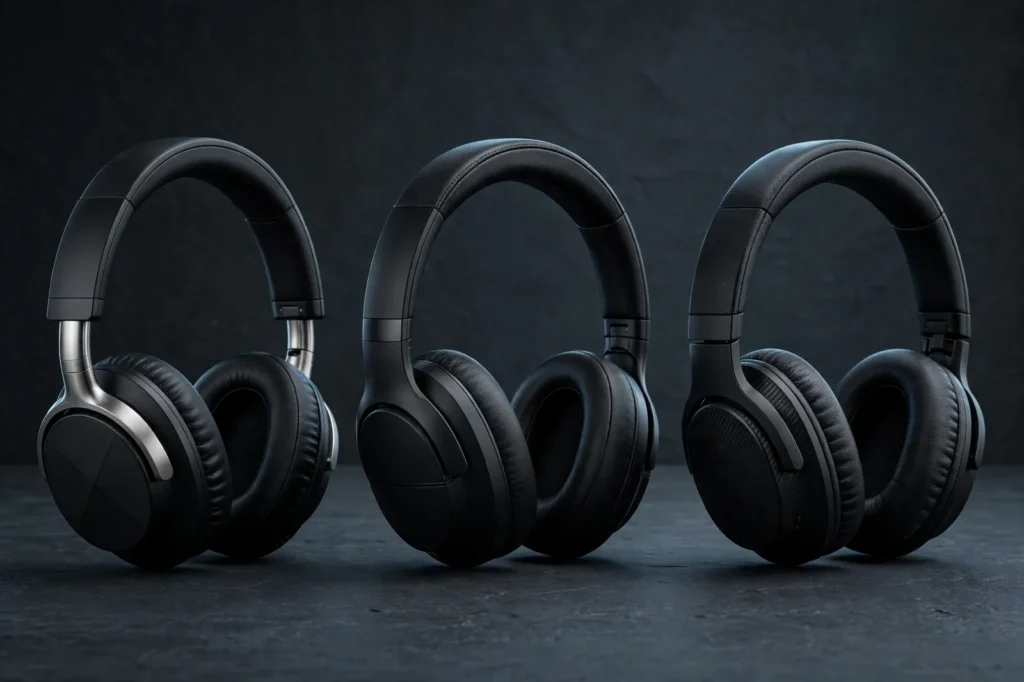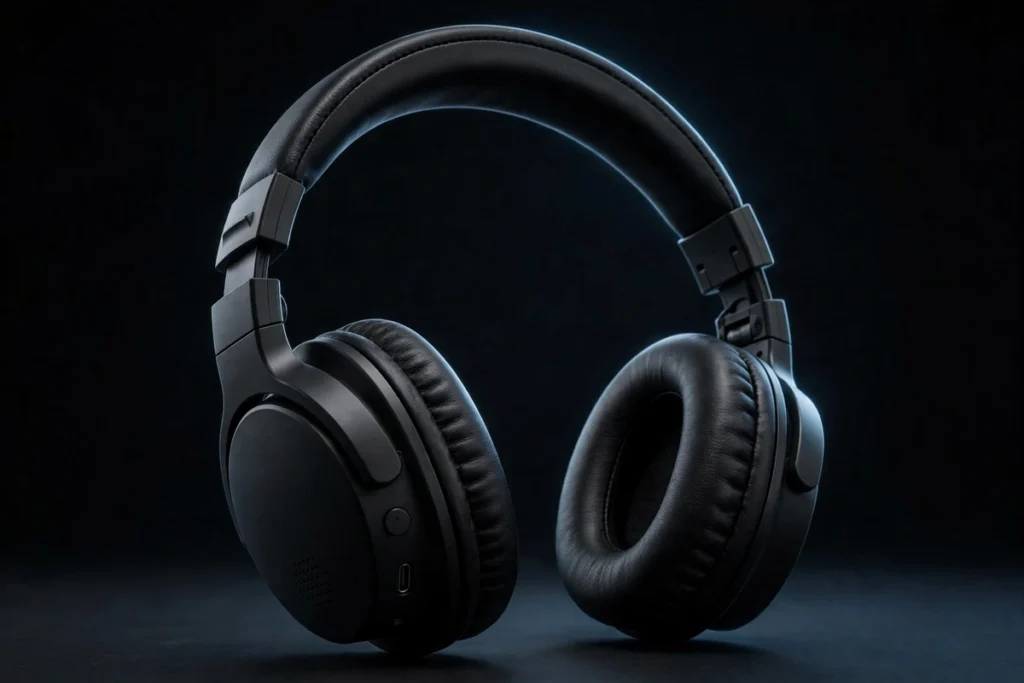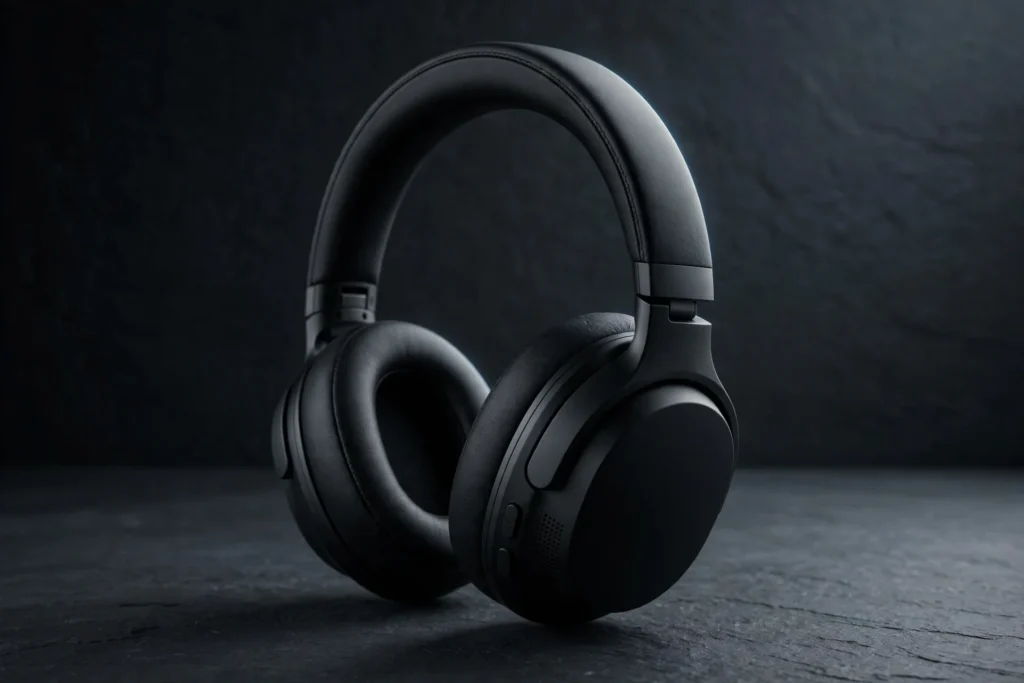
The bottom line: Sony took one of the most beloved noise-cancelling headphones ever made, retuned the sound for modern ears, added a 10-band EQ and Bluetooth 6.0, and brought it back at a price well under the flagship XM6. Lab measurements show noise cancelling that beats the original XM4. The trade-offs: slightly shorter battery life and merely average call quality. SoundMavericks Score: 8.6/10
Check Price on Amazon — $299.99

Sony WH-1000XM4C — Key Specifications
| Spec | Detail |
|---|---|
| Driver | 40mm dynamic |
| Noise cancelling | Yes, HD Noise Cancelling Processor QN1, Personal NC Optimizer |
| Battery life | Up to 27 hours (ANC on), 34 hours (ANC off) |
| Bluetooth | 6.0, multipoint; SBC, AAC, LDAC |
| Sound features | 10-band EQ, DSEE Extreme, 360 Reality Audio |
| Weight | 253 g |
| Design | Closed-back, over-ear, foldable; carrying case included |
| Colors | Black, Platinum Silver, Lavender |
| Price | $299.99 (launch price) |
What Is the WH-1000XM4C?
Launched in September 2026, the WH-1000XM4C is Sony’s refresh of the WH-1000XM4 — the headphone that defined premium noise cancelling back in 2020. The “C” suffix marks the second generation of the XM4 platform: same proven acoustic foundation and QN1 noise-cancelling chip, but with retuned sound, a new 10-band equalizer, Bluetooth 6.0, and a fresh Lavender color option.
Think of it less as a brand-new headphone and more as Sony fixing the few things that dated the original — while keeping everything that made it great.
Design & Comfort
If you know the XM4, you know this headphone: the same clean, foldable over-ear design, the same plush earcups, the same understated Sony aesthetic. At 253 grams it’s light enough for all-day wear, and it folds flat into the included carrying case for travel.
The new Lavender finish is the visual headline — a distinctive option alongside the classic Black and Platinum Silver. Touch controls on the right earcup handle playback, volume, and calls, and reviewers note they’re smooth and responsive.
One small subtraction: the NFC tap-to-pair logo from the original is gone.
Sound Quality: Retuned for Modern Ears
This is where the “C” earns its keep. Sony kept the 40mm drivers but reworked the tuning, and the difference is audible: clearer vocals, better instrument separation, and stronger bass response than the original XM4. The default tuning leans slightly bright — guitars and vocals shine — which suits modern pop, rock, and podcasts well.
The bigger story is the new 10-band equalizer in the Sony Sound Connect app. The original XM4’s EQ was coarse by comparison; ten bands give you genuinely fine-grained control to shape the sound to your taste or your genre. Combined with DSEE Extreme (which upscales compressed streaming audio) and LDAC support for hi-res wireless, the XM4C is the most tunable headphone Sony has put in this price bracket.
Independent listening impressions back this up: Gizmodo’s review praised the excellent stereo separation and nuanced, crisp presentation, calling it an excellent-sounding pair of wireless headphones that should impress most people, especially at the price.
Noise Cancelling: Better Than the Original
The XM4C keeps Sony’s proven QN1 processor and Personal NC Optimizer, which calibrates cancellation to your head shape and even atmospheric pressure — a genuinely useful feature for frequent flyers.
Lab measurements from SoundGuys show the XM4C blocking over 72% of outside noise by average perceived loudness (roughly 87% noise cancelled), with notably better low-end isolation than the original XM4 — apparently thanks to an improved earcup fit. In practical terms: engine drone, office hum, and train rumble get pushed far into the background.
Ambient Sound Mode is here for when you need awareness, and Quick Attention (palm over the earcup) plus Speak-to-Chat handle quick conversations without removing the headphones.
Battery Life: The One Real Compromise
Here’s the trade-off: 27 hours with ANC on (34 with it off), down from the original XM4’s 30-hour ANC rating. The reason is actually pro-consumer — the XM4C complies with new EU regulations requiring user-replaceable batteries, which meant a slightly smaller, more accessible cell.
In practice, 27 hours still covers a full work week of commuting or several long-haul flights, and a full charge takes about 3 hours over USB-C. It’s a compromise, not a dealbreaker — but if maximum endurance is your priority, it’s worth knowing.
Calls, App & Features
Call quality is the XM4C’s weakest area relative to its strengths. The microphone array is carried over from the original platform, and voice pickup in noisy environments is merely average — fine for quiet rooms, less impressive on a windy street. If crystal-clear calls are your top priority, look at our best headphones for calls roundup.
Everything else is flagship-grade: multipoint connection to two devices at once, Bluetooth 6.0, Adaptive Sound Control that adjusts ambient settings by activity, wear detection that auto-pauses, and deep customization in the Sony Sound Connect app (including the 10-band EQ and 360 Reality Audio setup).
WH-1000XM4C vs WH-1000XM4 vs WH-1000XM5: Should You Upgrade?
- From the original XM4: The XM4C brings retuned sound, 10-band EQ, Bluetooth 6.0, and slightly better ANC fit. Worth it if you want the tuning flexibility; not essential otherwise.
- From the XM5: The XM5 remains the newer platform with a redesigned frame. The XM4C’s case is value — near-flagship sound and ANC for less money — plus the foldable design the XM5 dropped.
- Buying fresh in 2026: The XM4C is arguably the sweet spot: proven platform, modern tuning, and a price well under Sony’s current flagship.
Pros & Cons
Pros:
- Retuned sound with clearer vocals and stronger bass
- New 10-band EQ offers deep customization
- Lab-measured ANC beats the original XM4
- Bluetooth 6.0, multipoint, LDAC, DSEE Extreme
- Comfortable, foldable, lightweight at 253g
- Priced well below the flagship XM6
Cons:
- 27-hour ANC battery trails the original XM4’s 30 hours
- Call quality is only average in noisy environments
- No NFC pairing
- Same familiar design — no visual revolution
Check Price on Amazon — $299.99
Final Verdict
The Sony WH-1000XM4C is the rare refresh that respects what made the original great. The retuned sound and 10-band EQ are meaningful upgrades for anyone who cares about how their music actually sounds, the ANC measures better than the 2020 classic, and the price undercuts Sony’s flagship tier by a wide margin. The shorter battery and average mics keep it from a perfect score — but as a complete package, it’s one of the smartest headphone buys of 2026.
SoundMavericks Score: 8.6/10 — Sound 9/10, Noise cancelling 9/10, Comfort 8.5/10, Features 8.5/10, Value 9/10, Battery 7.5/10, Call quality 7/10.
Frequently Asked Questions
Is the Sony WH-1000XM4C better than the WH-1000XM4?
In the ways that matter for listening: yes. The XM4C has retuned sound, a 10-band EQ (vs. the original’s coarser EQ), Bluetooth 6.0, and lab-measured ANC that beats the original. The original XM4 counters with slightly longer battery life (30 vs 27 hours ANC).
Is the WH-1000XM4C better than the WH-1000XM5?
They’re different propositions. The XM5 is the newer platform; the XM4C offers near-flagship sound and ANC, a foldable design, and a lower price. For value, the XM4C wins; for the latest platform, the XM5.
How long does the battery last on the WH-1000XM4C?
Up to 27 hours with noise cancelling on and 34 hours with it off, per Sony. A full charge takes about 3 hours via USB-C.
Does the WH-1000XM4C support LDAC and multipoint?
Yes to both — LDAC for hi-res wireless audio, and multipoint for staying connected to two devices (e.g. laptop + phone) simultaneously.
What colors does the Sony WH-1000XM4C come in?
Black, Platinum Silver, and a new Lavender finish.

I am the founder of Sound Mavericks, where I provide the polite truth about audio equipment. I started this site because consumer electronics reviews are often too technical. Instead of using a silent lab, I test headphones, earbuds, and Bluetooth speakers in the real world – like on a noisy subway or in a busy coffee shop.
To stay independent, I buy my own review units (mostly from the United States) rather than accepting free gifts from brands. Once I finish testing a product, I sell it locally to our community. My goal is to help you understand sound quality, active noise cancellation (ANC), and battery life without the marketing hype.