This sony wh 1000xm6 vs bowers and wilkins px7 s3 comparison is the premium over-ear argument in its purest form: silence or sound? Sony builds the stronger all-rounder and takes the overall 8.9 to 8.4 on our scores, powered by the best noise cancelling bar we track at 9.6. Bowers and Wilkins builds the more beautiful, hi-fi minded headphone, with aptX Lossless on board and a Sound bar of 9.1 that sits a whisker behind Sony at 9.2. The gap is real but narrow, and it flips depending on what you do all day.
TechRadar, after weeks with both, reached a similar split, calling the Px7 S3 slightly superior on sound quality while rating Sony ahead on noise cancelling. Our bars disagree on the sound round by a tenth, and agree on everything structural: Sony folds, the B&W does not, and Sony packs the deeper app. Read the categories, then decide which tenth of a point matters to you.
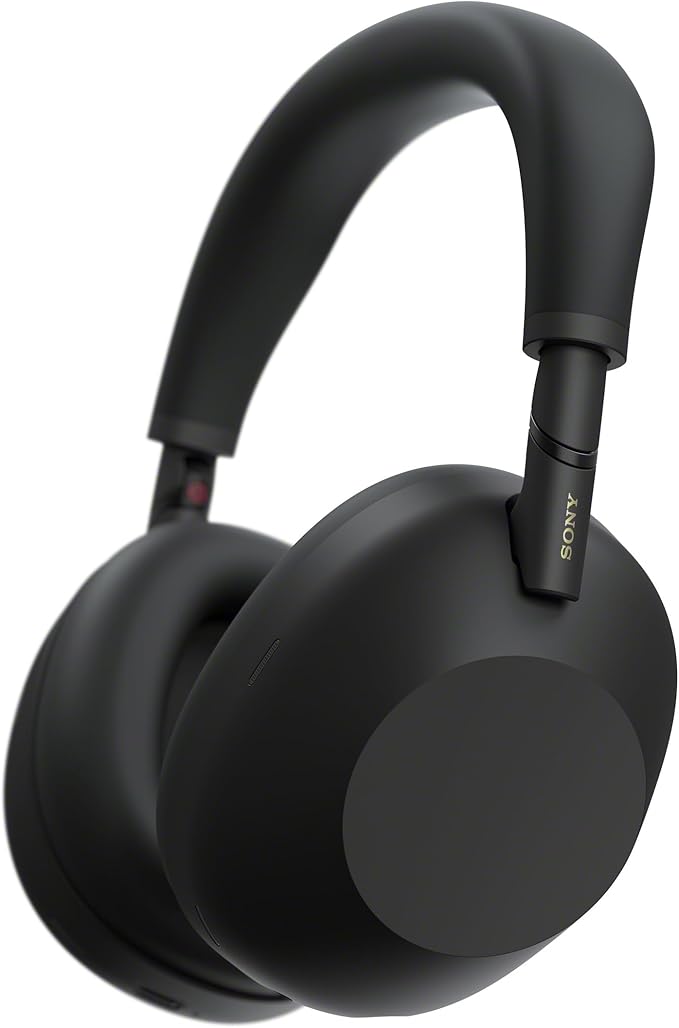
Sony WH-1000XM6 8.9/10
Why you: the strongest measured noise cancelling we track, with ANC at 9.6, calls at 8.8 and LDAC for hi-res on Android. This is the travel and office default for a reason.
Trade-off: flagship money, and the XM5 below it covers most needs for less. No aptX of any flavour, so Qualcomm hi-res is off the table.
30 h battery · LDAC and LC3 · Multipoint · Folding design

Bowers & Wilkins Px7 S3 8.4/10
Why you: high-resolution wireless from a hi-fi brand: aptX Adaptive and aptX Lossless, USB-C audio, and materials that feel a tier above Sony. Sound scores 9.1 and comfort matches Sony at 8.8.
Trade-off: sound-first tuning, so pure silence seekers should look at Sony or Bose. It does not fold flat into a small case the way the XM6 does.
30 h battery · aptX Lossless · Multipoint · USB-C audio
Specifications side by side
| Product | Sony WH-1000XM6 vs Bowers & Wilkins Px7 S3 |
| Form | Over-ear, both |
| Battery | 30 hours (Sony rated) vs 30 hours class (B&W) |
| Codecs | SBC, AAC, LDAC, LC3 vs SBC, AAC, aptX Adaptive, aptX Lossless |
| Multipoint | Yes, both |
| ANC | Adaptive ANC, both |
| Overall score | 8.9 vs 8.4 |
The categories, one by one
Sound quality
Sony scores 9.2, B&W 9.1, and that tenth is the whole story of this round: it can go either way with your library. The XM6 sounds bigger and more immediate, with a low end that lands hard and a presentation tuned to excite on first listen. The Px7 S3 sounds more textured and composed, the hi-fi choice, with cleaner separation on acoustic and orchestral recordings and less fatigue over a long evening.
What Hi-Fi? heard greater dynamism from the Sony and a fuller bodied character from the B&W, which maps neatly onto our bars. Codec support shapes the result too: LDAC serves the Sony on Android, while the Px7 S3 answers with aptX Lossless and wired USB-C audio, the cleanest digital path either headphone offers. On pure listening pleasure across a mixed library, we give Sony the round by the score, and we would not argue with anyone who flips it.
Winner: Sony WH-1000XM6, by a tenth
Noise cancelling
This round is not close. Sony scores 9.6 for ANC, the highest bar on any over-ear in our database, against 8.2 for the Px7 S3. In practice the XM6 erases more of the world: engine drone drops further, office chatter thins out, and the adaptive system adjusts as you move between street, platform and cabin without manual input.
The B&W cancelling is good in isolation and would headline a lesser comparison. It handles steady noise well and keeps its sound quality intact with ANC on. It simply does not reach Sony depth, and SoundGuys reached the same conclusion in their head to head, rating Sony clearly ahead on isolation. If silence is the purchase reason, this category settles the whole comparison.
Winner: Sony WH-1000XM6
Calls
Sony takes calls 8.8 to 8.2. Its microphone system and wind handling keep a voice intelligible on a platform or a pavement, and the sidetone and app controls are the more polished package for people who take work calls on their headphones every day.
The Px7 S3 is perfectly serviceable on calls, clear in quiet rooms and acceptable outdoors. It loses the round on consistency in noise, not on basic quality. Heavy callers should weight this round and the ANC round together, because both reward the same buyer.
Winner: Sony WH-1000XM6
Comfort and build
Dead level on our bars at 8.8 each, and the tie is honest. Sony is lighter and folds into a smaller case, which matters in a carry-on. The Px7 S3 counters with richer materials, metal and fabric where Sony uses plastic, and replaceable padding that SoundGuys singled out as a ownership plus.
Fit feel differs. The Sony clamps a little more evenly for long wear; the B&W feels more crafted the moment you pick it up. Glasses wearers and long-haul flyers will be happy with either, so this round comes down to whether you value travel size or materials more.
Winner: Draw
Battery life
Sony scores 8.6 against 8.2, a small edge that matches the rated picture: both are 30 hour class headphones with ANC on, enough for a week of commutes or a long-haul return with charge to spare. Neither buyer will plan their week around a cable.
The Sony round win is about the bar, not a dramatic real-world gap. If battery is your top concern across the whole market, our best noise cancelling headphones guide covers the wider flagship field these two sit at the top of.
Winner: Sony WH-1000XM6
Features and codecs
Split this round by phone. Android listeners with LDAC devices get hi-res from the Sony, plus the deeper Sony app, spatial audio and Auracast support that SoundGuys noted in its comparison. The Px7 S3 answers with the broader aptX family, including Lossless, and USB-C wired audio at hi-res rates, which What Hi-Fi? listed among its clear advantages.
Both hold multipoint connections and both behave well day to day. The B&W feature set is narrower but more audiophile in shape; the Sony set is broader and more consumer in shape. We score the round to B&W on the strength of aptX Lossless plus USB-C audio, the two features a sound-first buyer actually uses.
Winner: Bowers & Wilkins Px7 S3
Value
Both sit in the same premium band, so value here means what your money buys. Sony buys the best cancelling, the stronger calls and the higher overall. B&W buys materials, codec breadth and a sound signature many listeners prefer. Our Value bars tie at 8.2 each, which feels right.
Shoppers who want Sony silence for less should read our Sony WH-1000XM5 vs WH-1000XM6 comparison before paying flagship money. Everyone else is choosing a philosophy, not a bargain.
Winner: Draw
Living with them day to day
Controls and apps
Sony leans on touch gestures and a deep app with EQ, spatial settings and speak-to-chat style automation. B&W keeps physical buttons you can find with gloves on and a simpler Music app. Neither approach is wrong, but they suit different people: tinkerers and frequent flyers get more from Sony depth, while listeners who set an EQ once and forget it will prefer the B&W calm. Firmware updates on both have historically added features after launch, so the app you download on day one is not the finished product.
On the move
Travel separates them more than the spec sheet does. The Sony folds into a noticeably smaller case, weighs less on the head across a long flight, and its cancelling advantage compounds over hours because listening fatigue drops with the noise floor. The B&W feels more substantial and more special at the destination, and its USB-C audio makes it the better wired seat-back or laptop companion when Bluetooth is off limits or the battery is flat.
Ownership over time
Think about year two, not day two. Replaceable padding on the Px7 S3 is a real ownership plus, since pads are the first part of any headphone to wear. Sony counters with the larger accessory and case ecosystem and a longer track record of app support across generations. Both are built to be kept, which is the correct expectation at this tier, and both hold their appeal precisely because neither tries to be the other.
Closing scorecard
| Category | Sony WH-1000XM6 | Bowers & Wilkins Px7 S3 |
|---|---|---|
| Sound | 9.2 | 9.1 |
| ANC | 9.6 | 8.2 |
| Calls | 8.8 | 8.2 |
| Comfort | 8.8 | 8.8 |
| Battery | 8.6 | 8.2 |
| Value | 8.2 | 8.2 |
| Overall | 8.9 | 8.4 |
Which should you buy?
Buy the Sony WH-1000XM6 if
travel, open offices and calls fill your week. The ANC gap is the largest in this comparison and it shows up every single day, not just on flights. Our Sony WH-1000XM6 review covers the full picture.
The deciding factor
Strip the categories back and one question decides this comparison: how much of your listening happens in noise you did not choose? Commuters, flyers and open-plan workers live inside that noise for hours a day, and for them the Sony ANC advantage is not a spec, it is the product. Listeners whose hours are at home, at a desk they chose, with recordings they love, will spend those hours inside the B&W sound and materials instead, and the Sony silence advantage quietly stops mattering. Both answers are right. Only one of them is yours.
Buy the Bowers and Wilkins Px7 S3 if
listening is the main event and your phone or laptop supports aptX. You trade a layer of silence for materials, USB-C audio and a more composed sound. Our Bowers and Wilkins Px7 S3 review goes deeper on that tuning.
Frequently asked questions
Which is better, the Sony WH-1000XM6 or the Bowers and Wilkins Px7 S3?
On our scores, the Sony WH-1000XM6, 8.9 overall to 8.4. It wins ANC by a wide margin, plus calls and battery. The Px7 S3 is the pick for listeners who value aptX Lossless, USB-C audio and premium materials over maximum silence.
Which has better noise cancelling?
The Sony WH-1000XM6, clearly. It scores 9.6 for ANC against 8.2 for the Px7 S3, the biggest single gap in this comparison.
Which sounds better, the XM6 or the Px7 S3?
Sony by a tenth on our bars, 9.2 to 9.1. The XM6 is bigger and more immediate; the Px7 S3 is more textured and composed. Codec support may matter more than the gap: LDAC on the Sony, aptX Lossless on the B&W.
Do both support multipoint and hi-res audio?
Yes. Both hold multipoint connections. Hi-res runs over LDAC on the Sony and over aptX Adaptive and aptX Lossless on the Px7 S3, which also accepts hi-res audio over USB-C.
Which is more comfortable?
Level at 8.8 each on our Comfort bars. The Sony is lighter and folds smaller for travel; the Px7 S3 uses richer materials and has replaceable padding.

I am the founder of Sound Mavericks, where I provide the polite truth about audio equipment. I started this site because consumer electronics reviews are often too technical. Instead of using a silent lab, I test headphones, earbuds, and Bluetooth speakers in the real world – like on a noisy subway or in a busy coffee shop.
To stay independent, I buy my own review units (mostly from the United States) rather than accepting free gifts from brands. Once I finish testing a product, I sell it locally to our community. My goal is to help you understand sound quality, active noise cancellation (ANC), and battery life without the marketing hype.