The best easy to drive headphones share one practical gift: they reach full, clean volume straight from a phone, a laptop or a small USB dongle, with no headphone amplifier in between and no volume slider pinned at maximum. Two numbers decide that. Impedance, measured in ohms, says how hard the headphone pushes back against the source; sensitivity says how loud it gets for the power it receives. Every pick below sits at 38 ohms or under with the sensitivity to match, and every figure printed here is the manufacturer’s published specification for that model, checked at build time. The Audio-Technica ATH-M50x leads the list, because it pairs those friendly numbers with the most complete sound here.
Audio-Technica ATH-M50x: Best overall: 38 ohms and sound at 8.8, the studio standard that any phone drives happily. Check Price on Amazon
Audio-Technica ATH-M40x: Best value over-ear: 35 ohms, a flatter tuning than its brother and value at 9.3. Check Price on Amazon
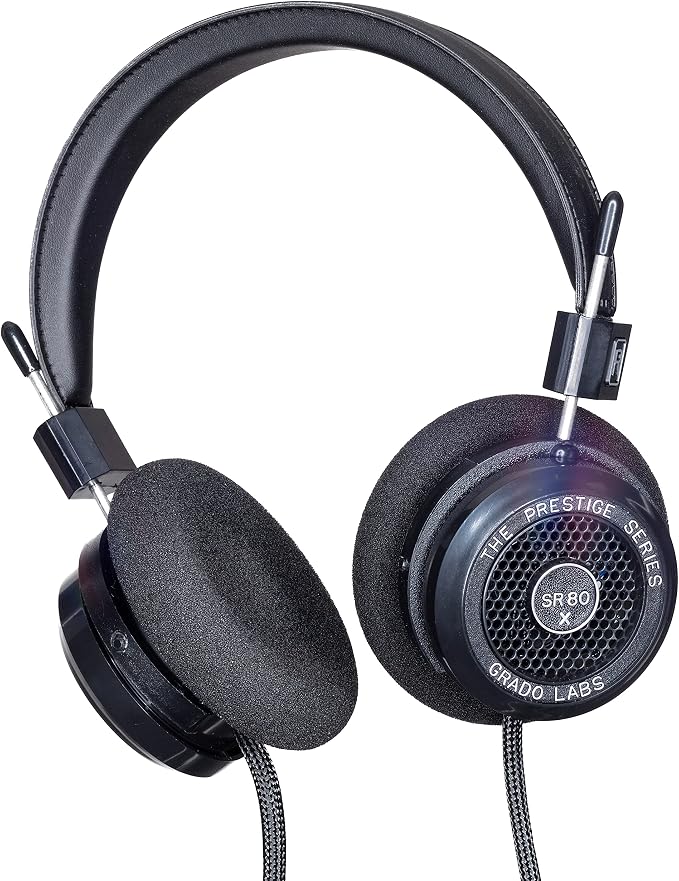
Grado SR80x: Best open-back energy: 38 ohms, vivid and immediate from the weakest headphone outputs. Check Price on Amazon
Philips SHP9600: Best relaxed listen: 32 ohms, wide and easy, built for long evenings at home. Check Price on Amazon
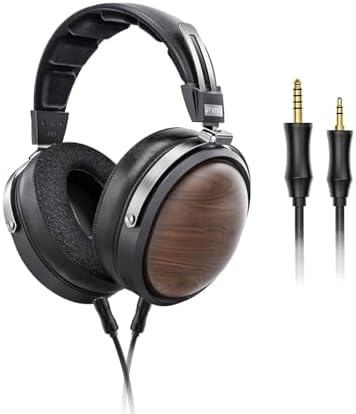
FiiO FT1: Best closed-back sound: 32 ohms with sound at 8.8 and real low-end weight from a dongle. Check Price on Amazon
Meze 99 Classics: Best comfort and warmth: 32 ohms and high sensitivity, full and rich even at low volume. Check Price on Amazon
Moondrop Chu II: Best in-ear pick: 18 ohms, so efficient that any phone or dongle is more than enough. Check Price on Amazon
The shortlist: seven picks that need no amp
Choose the M50x for a closed-back all-rounder, the M40x for the same idea flatter and cheaper in spirit, and the FT1 if low-end weight matters most. Choose the SR80x or SHP9600 for open-back listening at home, where leakage costs nothing. Choose the 99 Classics for warmth and comfort over long sessions. Choose the Chu II if your easy-to-drive headphone should fit in a coin pocket. Every one of them leaves volume headroom on a phone, which is the real test: a headphone that only just reaches your listening level has no room left for quiet recordings or dynamic peaks, and no margin for the day you switch to a weaker source.
Compared: impedance, sensitivity and scores
| Pick | Impedance | Sensitivity | Sound | Comfort | Value | Overall | Check price |
|---|---|---|---|---|---|---|---|
| Audio-Technica ATH-M50x | 38 Ω | 99 dB | 8.8 | 8.1 | 8.7 | 6.2 | Check Price on Amazon |
| Audio-Technica ATH-M40x | 35 Ω | 98 dB | 8.6 | 8.2 | 9.3 | 6.3 | Check Price on Amazon |
| Grado SR80x | 38 Ω | 99.8 dB | 8.4 | 6.8 | 9.0 | 5.7 | Check Price on Amazon |
| Philips SHP9600 | 32 Ω | 101 dB | 7.6 | 8.8 | 8.8 | 5.8 | Check Price on Amazon |
| FiiO FT1 | 32 Ω | 98 dB | 8.8 | 7.8 | 9.0 | 6.2 | Check Price on Amazon |
| Meze 99 Classics | 32 Ω | 103 dB | 8.8 | 9.0 | 8.6 | 6.3 | Check Price on Amazon |
| Moondrop Chu II | 18 Ω | 119 dB/Vrms | 8.8 | 8.8 | 9.8 | 6.6 | Check Price on Amazon |
Read the two number columns together, never alone. Impedance by itself does not decide how loud a headphone gets: a low-impedance planar with modest sensitivity can still want an amplifier, which is why this list prints both figures for every pick and includes none it could not verify. Sensitivity ratings are not measured identically by every brand, and the Chu II’s figure is quoted per volt rather than per milliwatt, so treat the column as a guide to behaviour rather than a laboratory ranking. The behaviour is consistent: all seven picks play loudly from portable sources, with headroom to spare.
The picks, one by one
Audio-Technica ATH-M50x

Audio-Technica ATH-M50x 6.2/10
Why you: you want one wired headphone that works everywhere a jack or dongle exists. At 38 ohms and 99 dB sensitivity the M50x reaches full volume from phones, laptops, controllers and interfaces alike, and sound scores 8.8 with bass that keeps its definition. Our database calls it studio-trusted, and the detachable cables in three lengths make it the easiest pick to live with.
Trade-off: it is wired only, and the bass, while accurate, is not the physical slam bass-first listeners chase. The fit also warms up over long sessions compared with the velour-padded options here.
Over-ear · Wired · Closed-back · 38 Ω · 99 dB · Detachable cables
The M50x is the reference point for this category because it removes the amp question from almost every situation a listener meets. Plug it into a phone dongle on a train, a laptop at a desk or an audio interface in a studio, and the volume and the balance are simply there. That reliability is why it appears in so many studios: the engineer never has to wonder whether the headphone or the source is the limit. For buyers building a first serious wired setup, it is the pick that cannot be outgrown by accident, because the next upgrade is a better recording, not a box to power it.
Audio-Technica ATH-M40x

Audio-Technica ATH-M40x 6.3/10
Why you: you want the M50x idea with a flatter, more honest balance and the strongest value score among the over-ears here, 9.3. At 35 ohms and 98 dB it is just as easy to drive, and our database lists it as neutral monitoring for podcasters on a budget, which is exactly the listener who plugs into whatever interface is on the desk.
Trade-off: the pads are a step behind velour for true marathons, and it is wired only with no microphone. Listeners who want their bass lifted should take the M50x instead.
Over-ear · Wired · Closed-back · 35 Ω · 98 dB · Detachable cables
The M40x is the quiet professional of this list. Its tuning trusts the recording more than its brother does, which makes it the better tool for editing, practice and checking a mix on the move, and its numbers make it source-proof in the same way. Podcasters and students buy it once and stop thinking about headphones, which is the highest compliment a tool in this price class can earn. Between the two Audio-Technicas the choice is taste, not quality: lift or honesty.
Grado SR80x
Grado SR80x 5.7/10
Why you: you listen to guitars, live recordings and anything that benefits from energy, and you want it straight from a phone. Sound scores 8.4 and value 9.0: the SR80x puts a forward, vivid presentation within reach of almost any budget, and at 38 ohms with 99.8 dB sensitivity even the weakest laptop output drives it without strain.
Trade-off: comfort is the compromise, at 6.8: the on-ear foam pads and headband pressure divide opinion. The cable is fixed, the open design leaks everything in both directions, and there is no isolation and no microphone.
On-ear · Wired · Open-back · 38 Ω · 99.8 dB · Fixed cable
Nothing on this page sounds like the Grado. Where the closed-backs aim for balance, the SR80x puts the performance in the room with you: forward, immediate, alive on rock and acoustic recordings. Its easy numbers hide a useful truth about open-backs, which is that low impedance was the Grado way long before phones lost their headphone jacks. Buy it for home listening with character, and accept that the room hears your music too. Our Grado SR80 review covers the family sound in full.
Philips SHP9600

Philips SHP9600 5.8/10
Why you: you want a wide, relaxed open-back sound for music, films and games at home, with comfort you can wear all evening. At 32 ohms and 101 dB sensitivity it is one of the easiest full-size headphones here to drive, and comfort scores 8.8. The cable is replaceable, which extends its life past most rivals at its level.
Trade-off: it leaks sound both ways and blocks almost nothing, so it fails in shared rooms, offices and travel. There is no microphone on the standard model, and sound at 7.6 trails the closed-back picks on detail.
Over-ear · Wired · Open-back · 32 Ω · 101 dB · Replaceable cable
The SHP9600 is the evening headphone: light clamp, soft pads, a stage that spreads wide for films and open-world games, and a tuning that never shouts. Its easy-drive nature suits it to the sources it will actually meet, a TV remote’s jack, a controller, a laptop, none of which need help reaching volume. Gamers who play in a quiet house get most of its value. Anyone sharing the room should look at the closed-backs above instead.
FiiO FT1
FiiO FT1 6.2/10
Why you: you want closed-back privacy with sound at 8.8 and low end that has genuine weight, from a source as small as a dongle. At 32 ohms and 98 dB the FT1 runs happily from phones and laptops, and our database lists it for home and office listening, the two places a private, full sound matters most.
Trade-off: it weighs 340 g, the pads feel firm at first, and the tuning is V-shaped rather than neutral, so mix-checkers should take the M40x. Neither included cable has a microphone.
Over-ear · Wired · Closed-back · 32 Ω · 98 dB · Wooden cups
The FT1’s trick is sounding like a headphone that should need power while asking for none. The bass has depth and the treble has sparkle, the classic V, delivered at volumes a phone reaches without effort. That makes it the pick for listeners who stream from a laptop all day and want the music to feel like an event rather than a monitor feed. The weight is real but the headband spreads it well enough for desk sessions. Read the full story in our FiiO FT1 review.
Meze 99 Classics

Meze 99 Classics 6.3/10
Why you: you listen for long stretches and like your music warm. The 99 Classics pairs 32 ohms with 103 dB sensitivity, the most efficient full-size figures here, so it sounds full even at low volume, which is its listed strength in our database. Comfort scores 9.0, the best on this page, with walnut cups and a self-adjusting headband doing the work.
Trade-off: it is wired only with no microphone, and the warm tuning that flatters most music is the wrong tool for checking a mix. Bass-first listeners may also find its low end polite next to the FT1.
Over-ear · Wired · Closed-back · 32 Ω · 103 dB · Walnut cups
High sensitivity buys a subtle luxury: fullness at low volume. Most headphones thin out when played quietly, because the ear hears bass and treble less at low levels; the 99 Classics stays rich when turned down, which suits evening listening and shared houses. Add the comfort score and the replaceable everything, down to the ear pads and cables, and it becomes the long-session pick. Its sibling comparison in our Meze 99 Neo vs Classics piece helps if you are choosing inside the family.
Moondrop Chu II

Moondrop Chu II 6.6/10
Why you: your easy-to-drive headphone should live in a pocket. The Chu II is an 18-ohm in-ear with sensitivity quoted at 119 dB per volt, so any phone, dongle or handheld console drives it with enormous headroom. Sound scores 8.8 and value 9.8, the highest value mark on this page, from a metal shell with a detachable cable.
Trade-off: there is no in-line microphone on the standard 3.5mm version, so team chat needs a separate mic, and the bass is restrained rather than tuned for bass-heavy fun. Small ears should check fit, as with any in-ear.
In-ear · Wired · 18 Ω · 119 dB/Vrms · Detachable cable · Metal shell
The Chu II shows what easy to drive means at the efficient extreme. It will reach listening volume at a fraction of a phone’s output, which leaves the source loafing and the battery unbothered, and it does so while sounding like a serious earphone rather than a bundled extra. For commuters who refuse wireless and gamers who plug into a controller, it is the simplest recommendation on this page. Its sensitivity figure is quoted per volt, unlike the per-milliwatt convention of the over-ears, so compare its behaviour, loud from everything, rather than the raw number.
How to tell if a headphone is easy to drive
Start with the two numbers together: impedance under roughly 50 ohms and sensitivity at or above about 98 dB covers nearly every phone and dongle ever made. Then check the exception that proves the rule. Planar magnetic headphones can show a friendly impedance while needing real current, because their sensitivity is low; our impedance and amp explainer walks through that trap in full. Finally, remember what an amp would actually add for the picks here: not volume, which they already have, but sometimes a cleaner output stage than a cheap dongle. That is a refinement, not a requirement, and it can wait until the rest of the chain deserves it. Listeners comparing the wider wired field will find more candidates in our best wired headphones guide, where the amp question is flagged pick by pick.
Also consider
Koss Porta Pro: the feather-light on-ear classic in our database, efficient and warm, with value at 9.6; it lost a main-list place only because its open fit and fixed cable suit fewer buyers than the Grado’s. Beyerdynamic DT 700 Pro X: a closed studio headphone with sound at 8.8 whose modern driver was designed to run from interfaces and portable sources alike; it is the step-up for recording work. Sennheiser HD 560S: the open-back reference with sound at 9.5 that many laptops drive acceptably, though its higher impedance makes it the one near-miss here, better with a decent dongle than a weak phone output. Each is scored in our Finder database; the seven above are the picks whose drive numbers we could verify cleanly for this page.
Frequently asked questions
What makes a headphone easy to drive?
The combination of low impedance and high sensitivity. Impedance under about 50 ohms with sensitivity around 98 dB or higher lets a phone, laptop or dongle reach full volume with headroom. Impedance alone can mislead: a low-impedance planar with low sensitivity may still need an amplifier, which is why this guide prints both figures for every pick.
Do easy to drive headphones sound worse than hard to drive ones?
No. Drive requirements and sound quality are separate questions. The ATH-M50x and FiiO FT1 both score 8.8 for sound in our database while running happily from a phone. Demanding headphones exist because their designers chose drivers that need power, not because difficulty is a mark of quality.
Will a phone really drive the ATH-M50x properly?
Yes. At 38 ohms and 99 dB sensitivity, the M50x reaches full listening volume from phones, dongles, laptops and controllers, with headroom for quiet recordings. It has been the default recommendation for source-proof listening for years precisely because no common device fails to drive it.
Is a dongle DAC worth buying for these headphones?
Only as a refinement. These picks already reach volume from a basic dongle, so a better dongle buys a cleaner output stage and sometimes a touch more control, not loudness. If your phone’s own output sounds noisy or your laptop jack hisses, a decent dongle fixes that. Otherwise the money serves you better in recordings or a second pair.
Why is the HD 600 not on this list?
Because it fails the brief honestly. The HD 600 is a 300-ohm headphone that wants voltage swing a phone cannot comfortably give, and our database notes it needs a proper amp. It is a fine headphone on the right chain. This list is for headphones that need no chain at all.
Are IEMs always easier to drive than over-ears?
Almost always. In-ears sit at the efficient extreme: the Moondrop Chu II here is 18 ohms with very high sensitivity, so any source drives it with headroom to spare. The exceptions are a few low-sensitivity planar IEMs. For over-ears, check both numbers before assuming a phone will cope.

I am the founder of Sound Mavericks, where I provide the polite truth about audio equipment. I started this site because consumer electronics reviews are often too technical. Instead of using a silent lab, I test headphones, earbuds, and Bluetooth speakers in the real world – like on a noisy subway or in a busy coffee shop.
To stay independent, I buy my own review units (mostly from the United States) rather than accepting free gifts from brands. Once I finish testing a product, I sell it locally to our community. My goal is to help you understand sound quality, active noise cancellation (ANC), and battery life without the marketing hype.