The audiophile headphone market in 2026 is broader than ever: open-back wired references for the listening room, luxury wireless with USB-DAC modes for the road, and in-ear monitors that deliver flagship detail in your pocket. We analyzed the models audiophile communities, reviewers, and engineers keep recommending and organized them into three tiers — wired flagships, wireless picks, and IEMs — so you can buy for your actual listening life, not someone else’s.
Quick Comparison: The Best Headphones for Audiophiles
| Headphone | Driver | Impedance | Design | Type |
|---|---|---|---|---|
| Sennheiser HD 660S2 | Dynamic | 300 Ω | Open-back | Wired |
| beyerdynamic DT 990 Pro X | Dynamic (STELLAR.45) | 48 Ω | Open-back | Wired |
| HiFiMAN Sundara | Planar magnetic | 32 Ω | Open-back | Wired |
| Audio-Technica ATH-M50x | 45mm dynamic | 38 Ω | Closed-back | Wired |
| Drop + Sennheiser HD 6XX | Dynamic | 300 Ω | Open-back | Wired |
| Focal Bathys | 40mm Al/Mg dynamic | N/A (active) | Closed-back | Wireless |
| Bowers & Wilkins Px8 | 40mm Carbon Cone | N/A (active) | Closed-back | Wireless |
| Sony WH-1000XM5 | 40mm dynamic | N/A (active) | Closed-back | Wireless |
| Apple AirPods Max (USB-C) | Apple dynamic driver | N/A (active) | Closed-back | Wireless |
| Shure SE535 | Triple balanced armature | 36 Ω | In-ear | Wired IEM |
| Sennheiser IE 300 | 7mm dynamic (XWB) | 16 Ω | In-ear | Wired IEM |
Tier 1: Wired Reference Flagships
This is where audiophile purists live. Open-back designs, quality drivers, and the kind of natural soundstage that closed-backs and wireless sets still chase. The trade-off: you give up portability and noise isolation — these are for quiet rooms, not commutes.
1. Sennheiser HD 660S2 — Best Overall for Most Audiophiles

The HD 660S2 is our top pick for a reason: it refines the beloved HD 600-series formula with deeper sub-bass extension while keeping the natural, intimate presentation that made its predecessors benchmarks. With 300-ohm impedance and an 8–41,500 Hz frequency response, it is a genuine reference tool that rewards a good amplifier — pair it with a proper headphone amp and it sings with detail, texture, and control that few competitors touch at this level.
Our full Sennheiser HD 660S2 review digs into the tuning in detail. The short version: warm, precise, and musical, with velour pads comfortable enough for multi-hour sessions. If you want one wired headphone to anchor a serious home setup, start here.
Pros:
- Natural, refined sound with genuine sub-bass extension
- Exceptional comfort for long listening sessions
- Detachable cables with balanced (4.4mm) capability
Cons:
- 300-ohm impedance needs a dedicated amp for full performance
- Open-back design leaks sound — no good for shared spaces
| Sound Quality | 9.4 |
| Build & Comfort | 8.7 |
| Source Flexibility | 7.8 |
| Value | 8.6 |
2. beyerdynamic DT 990 Pro X — Best Studio Precision Without Amp Demands

The DT 990 Pro X takes the legendary DT 990 studio formula and modernizes it: 48-ohm impedance (easy to drive from a laptop or interface), a detachable cable, and beyerdynamic’s STELLAR.45 driver with a 45mm diaphragm delivering response up to 40 kHz. The soundstage is wide and airy with the analytical treble detail that mixing engineers have trusted for decades.
It leans bright rather than warm — bass lovers may want the Sennheiser instead — but for critical listening and editing without buying an amplifier, it is the smartest entry point.
Pros:
- Spacious, analytical sound ideal for critical listening
- 48 ohms runs fine without a dedicated amplifier
- German build quality with replaceable parts and detachable cable
Cons:
- Bright treble can be fatiguing for sensitive listeners
- Open-back leaks sound both ways
| Sound Quality | 8.9 |
| Build & Comfort | 9.2 |
| Source Flexibility | 9.0 |
| Value | 9.0 |
3. HiFiMAN Sundara — Best Planar Magnetic Value

Planar magnetic drivers deliver detail and transient speed that dynamic drivers struggle to match, and the Sundara is the most affordable way into that world done right. At 32 ohms with 94 dB sensitivity and a 6 Hz–75 kHz frequency response, it is relatively easy to drive yet rewards better sources — a versatile spot that pairs beautifully with a quality DAC and amp.
Expect tight, punchy bass without bloat, a balanced midrange, and well-extended highs without the treble harshness that plagues some rivals. If you want to hear what planar magnetic technology is about before spending flagship money, this is the audition.
Pros:
- Planar detail and speed at a mid-range position
- Balanced tuning with punchier bass than many open-back dynamics
- 32 ohms keeps it flexible with many sources
Cons:
- Still benefits from an amp — a phone alone leaves performance on the table
- Bulkier and heavier than dynamic competitors
| Sound Quality | 9.2 |
| Build & Comfort | 8.4 |
| Source Flexibility | 7.8 |
| Value | 9.3 |
4. Audio-Technica ATH-M50x — Best Closed-Back Monitoring Classic

The ATH-M50x has been the default recommendation for studio newcomers for over a decade, and it has earned the status. Its 45mm dynamic drivers, 38-ohm impedance, and 15–28,000 Hz frequency response deliver a detailed, slightly punchy signature that works for monitoring, mixing prep, and plain enjoyment. Closed-back construction means real isolation — the only wired pick here you can use around other people.
It is not the most refined headphone on this list — the soundstage is narrower than the open-backs, and the highs can feel forward — but as a durable, foldable, take-anywhere reference that runs from anything, it remains one of the best value propositions in audio.
Pros:
- Excellent isolation for a wired audiophile pick
- Durable, foldable, with detachable cable
- Runs happily from phones and laptops at 38 ohms
Cons:
- Soundstage can’t match open-back rivals
- Clamp pressure and pleather pads wear with age
| Sound Quality | 8.4 |
| Build & Comfort | 9.0 |
| Source Flexibility | 9.2 |
| Value | 9.4 |
5. Drop + Sennheiser HD 6XX — Best Audiophile Gateway
The HD 6XX is essentially the legendary HD 650 tuning sold through Drop’s community model, and it has become the de facto first “real” audiophile headphone for a generation of listeners. Same 300-ohm open-back design, same warm, smooth midrange that flatters vocals and acoustic music — the classic Sennheiser house sound that the entire mid-fi world still benchmarks against.
One catch: it is a Drop-exclusive, so the link below goes to an Amazon search for marketplace availability. Our Sennheiser HD 6XX review has the full story — if you already own a headphone amp, it remains the strongest value argument in this guide.
Pros:
- Benchmark HD 650-series tuning at an accessible position
- Warm, fatigue-free sound ideal for long sessions
- Deep community knowledge base for pads, cables, and mods
Cons:
- Drop-exclusive — less convenient to buy than rivals
- 300-ohm impedance demands a proper amplifier
| Sound Quality | 9.1 |
| Build & Comfort | 8.6 |
| Source Flexibility | 7.6 |
| Value | 9.6 |
Tier 2: Wireless Audiophile Picks
Wireless used to mean compromise. In 2026, codecs like LDAC and aptX Adaptive plus USB-DAC modes on luxury models have closed the gap, earning wireless flagships a real place in an audiophile’s rotation — especially when listening happens outside a quiet room. If you came here from our coverage of the best audiophile wireless headphones, this section is your home base.
6. Focal Bathys — Best Luxury Wireless Hi-Fi

The Bathys is Focal’s answer to the question “what if wireless didn’t mean settling?” Its 40mm aluminum-magnesium M-dome drivers — made in France, borrowed from Focal’s wired hi-fi heritage — deliver detailed, precise, dynamic sound with a 15 Hz–22 kHz frequency range. Active noise cancelling, Bluetooth 5.1, and a 30-hour battery cover the practical side, but the killer feature for audiophiles is USB-DAC mode: plug it in over USB-C and it works as a wired digital headphone, bypassing Bluetooth entirely.
Build quality matches the sound — aluminum, leather, and magnesium with real heft. It is not cheap and not light, but it is the wireless headphone most likely to satisfy someone who owns a serious wired setup.
Pros:
- USB-DAC mode bypasses Bluetooth for true hi-fi listening
- Detailed, dynamic tuning with Focal’s driver pedigree
- Premium materials and 30-hour battery
Cons:
- Heavy compared to mainstream wireless rivals
- ANC trails dedicated noise-cancelling leaders
| Sound Quality | 9.3 |
| Build & Comfort | 9.4 |
| Features | 8.6 |
| Value | 7.8 |
7. Bowers & Wilkins Px8 — Best Wireless for Refined, Musical Sound

The Px8 pairs 40mm Carbon Cone drivers with aptX Adaptive Bluetooth, 30 hours of battery, and Nappa leather over cast aluminum arms — it looks and feels like the luxury product it is. The tuning leans rich and musical rather than analytical: full mids, smooth treble, and a warmth that flatters everything from jazz to rock without losing composure on complex passages.
B&W’s noise cancelling is good but not class-leading, so this is a pick for sound and craftsmanship first, silence second. Note that a newer Px8 S2 exists — the original Px8 linked here remains the better value and is still fully supported.
Pros:
- Rich, musical tuning with genuine flagship build
- aptX Adaptive for high-quality wireless on Android
- 30-hour battery with fast charging
Cons:
- ANC is a step behind Sony and Bose
- No multipoint in the original firmware generation
| Sound Quality | 9.0 |
| Build & Comfort | 9.6 |
| Features | 8.8 |
| Value | 8.0 |
8. Sony WH-1000XM5 — Best Wireless All-Rounder for Audiophiles

The XM5 remains the benchmark for what a feature-complete wireless headphone can be. LDAC support delivers hi-res wireless on Android, the 40mm drivers with carbon fiber composite domes sound cleaner and more resolving than the old XM4 series, and the 30-hour battery with best-in-class ANC and multipoint connection make it the easiest recommendation for anyone who wants audiophile-leaning sound without giving up modern convenience.
Our Momentum 4 vs WH-1000XM5 comparison goes deep on how it stacks up against its closest rival. The short version for audiophiles: pair it with LDAC and a lossless source and it punches well above the “consumer wireless” stereotype — it just can’t match the wired tier for raw resolution.
Pros:
- LDAC hi-res wireless plus excellent LDAC-ready tuning
- Top-tier ANC, 30-hour battery, multipoint
- Lightweight and comfortable for all-day wear
Cons:
- Doesn’t fold flat; case is bulky
- Wired performance is decent but not reference-grade
| Sound Quality | 8.5 |
| Build & Comfort | 8.8 |
| Features | 9.4 |
| Value | 8.8 |
9. Apple AirPods Max (USB-C) — Best for the Apple Ecosystem
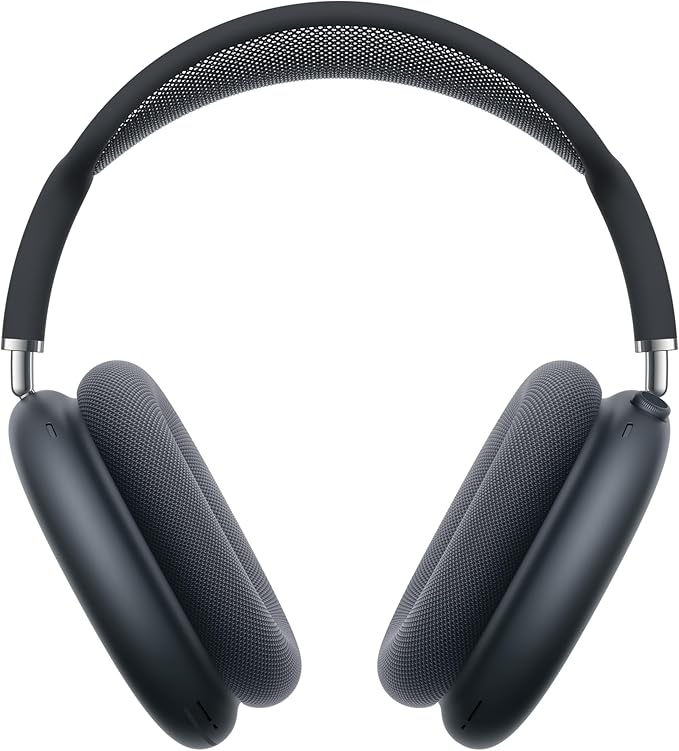
The AirPods Max divides audiophiles, but the computational audio story is real: an Apple-designed dynamic driver, the H1 chip doing adaptive EQ 200 times per second, pro-level ANC, and personalized spatial audio with head tracking that no rival matches for movies and immersive music. The USB-C refresh brings lossless-ish wired playback over USB-C, which matters for audiophiles who want the convenience of wireless with a wired option for critical listening.
It is heavy at 385 grams, and the Smart Case is still a weak point, but for iPhone and Mac users the ecosystem integration — instant pairing, seamless switching, spatial audio head tracking — is unmatched.
Pros:
- Best-in-class computational audio and spatial audio
- USB-C version supports wired digital playback
- Superb ANC and transparency mode
Cons:
- Heavy at 385g — comfort is divisive
- No LDAC or aptX; Apple ecosystem lock-in
| Sound Quality | 8.6 |
| Build & Comfort | 8.4 |
| Features | 9.0 |
| Value | 7.4 |
Tier 3: Audiophile IEMs
In-ear monitors are the audiophile’s secret weapon: tiny drivers inches from the eardrum deliver detail and isolation that full-size headphones can’t match per dollar, in a package that travels anywhere.
10. Shure SE535 — Best IEM Reference Standard

The SE535 has been the professional IEM benchmark for over a decade: triple balanced-armature drivers (dual woofers plus a dedicated tweeter), 36-ohm impedance, 18 Hz–19 kHz frequency range, and 119 dB sensitivity. The foam sleeves block up to 37 dB of ambient noise — better isolation than any ANC headphone — and the detachable MMCX cable means these can last a decade with replacement cables.
The sound is spacious and rich with a mid-forward presentation that flatters vocals and acoustic instruments. See our Shure SE535 review and best IEMs guide for the full picture.
Pros:
- Triple-driver detail with superb vocal midrange
- Up to 37 dB of passive isolation — no batteries needed
- Detachable cables for long-term durability
Cons:
- Bass rolls off compared to dynamic-driver IEMs
- Over-ear cable routing takes getting used to
| Sound Quality | 9.1 |
| Build & Comfort | 9.0 |
| Source Flexibility | 8.8 |
| Value | 8.2 |
11. Sennheiser IE 300 — Best Single-Dynamic IEM
If the SE535 is the reference, the IE 300 is the fun counterpoint: a 7mm TrueResponse dynamic driver with 16-ohm impedance and a 6 Hz–20 kHz response, tuned with Sennheiser’s characteristic warmth and a satisfying bass lift. The tiny German-made housings are among the most comfortable in the IEM world, the para-aramid reinforced cable shrugs off abuse, and it runs straight from a phone dongle without breaking a sweat.
One honest note: we couldn’t verify a direct Amazon product listing for the IE 300 at build time, so the button below goes to an Amazon search where you can check current availability — always confirm you’re buying the genuine article from a reputable seller.
Pros:
- Engaging, warm tuning with real bass texture
- Tiny, supremely comfortable housings
- Easy to drive from any source
Cons:
- Less resolving than multi-driver competitors
- Amazon availability fluctuates — check the seller
| Sound Quality | 8.7 |
| Build & Comfort | 9.2 |
| Source Flexibility | 9.0 |
| Value | 8.9 |
Buying Guide: How to Choose Audiophile Headphones
Open-back vs. closed-back is the first decision. Open-back designs (HD 660S2, DT 990 Pro X, Sundara) give you the most natural soundstage and the least listening fatigue — but they leak sound in both directions, so they’re home-only. Closed-backs (ATH-M50x, all the wireless picks) isolate you and your surroundings. Our open-back vs. closed-back guide covers the physics in full.
Impedance decides your amp question. Anything 250 ohms and up — the HD 660S2 and HD 6XX at 300 ohms — needs a dedicated headphone amplifier to reach its potential. Low-impedance designs like the DT 990 Pro X (48 ohms), ATH-M50x (38 ohms), and Sundara (32 ohms) are flexible enough to run from quality portable sources, though every one of these improves with a real amp. Our headphone amp guide pairs well with anything in Tier 1.
For wireless, the codec is the source chain. LDAC (Sony XM5, Focal Bathys over aptX Adaptive/SBC) determines how much of your lossless file actually reaches the drivers. Match the codec to your phone: Android supports LDAC and aptX Adaptive, iPhones are AAC-only — which is why the AirPods Max is the natural iPhone pick despite its AAC limitation.
Comfort is a spec. Audiophiles wear headphones for hours — weight, clamp force, and pad material matter as much as frequency response.
Frequently Asked Questions
What is the best headphone for audiophiles overall?
The Sennheiser HD 660S2 is our top overall pick. Its 300-ohm open-back design, natural warm tuning, and extended sub-bass make it the most complete reference headphone for dedicated home listening when paired with a good amplifier.
Do audiophiles use wireless headphones?
Increasingly, yes. Models like the Focal Bathys (with USB-DAC mode), Bowers & Wilkins Px8, Sony WH-1000XM5 (LDAC), and AirPods Max have closed the gap enough that many audiophiles own a wireless set for travel and commuting alongside their wired reference rig.
Do I need an amplifier for audiophile headphones?
It depends on impedance. Headphones at 250–300 ohms (HD 660S2, HD 6XX) genuinely need a headphone amp to reach full volume and bass control. Low-impedance models (48 ohms and below) work from phones and laptops but still improve with better amplification.
Are open-back headphones better for audiophiles?
For critical listening at home, generally yes — open-backs deliver a wider, more natural soundstage with less listening fatigue. But they leak sound and isolate nothing, so closed-backs and IEMs are the better choice in shared or noisy environments.
What should audiophiles look for in an IEM?
Driver configuration, fit, and isolation. Multi-driver designs like the Shure SE535’s triple balanced armatures excel at detail and vocals, while single dynamic drivers like the Sennheiser IE 300’s 7mm TrueResponse unit deliver more natural bass texture. Deep-sealing tips that block ambient noise are essential to hearing what the drivers can do.

I am the founder of Sound Mavericks, where I provide the polite truth about audio equipment. I started this site because consumer electronics reviews are often too technical. Instead of using a silent lab, I test headphones, earbuds, and Bluetooth speakers in the real world – like on a noisy subway or in a busy coffee shop.
To stay independent, I buy my own review units (mostly from the United States) rather than accepting free gifts from brands. Once I finish testing a product, I sell it locally to our community. My goal is to help you understand sound quality, active noise cancellation (ANC), and battery life without the marketing hype.