Most “best noise cancelling” lists mix cancellation with sound quality, comfort, battery life and app features until the quietest headphone is not necessarily the winner. This ranking does the opposite. The strongest noise cancelling headphones below are ranked by measured noise reduction, not by our overall score — pure cancellation strength, taken from published lab measurements, is the only thing that decides the order.
Our ranking metric is TechGearLab’s published Active Noise Cancelling Reduction table, which reports measured reduction in decibels across low, mid and high frequency bands for each model in the same lab test. We averaged each headphone’s three band figures to produce a single comparable number, and the list runs from the highest average to the lowest. Where a second lab published a figure for the same model — RTINGS or SoundGuys — we quote it alongside, always with its source named. If a well-known model has no comparable published measurement in that shared dataset, it does not get ranked on reputation; it appears in the clearly labelled note near the end instead.
🏆 Strongest measured ANC — the top 3
1. Sony WH-1000XM6 — TechGearLab measured a 33.3 dB three-band average reduction, the highest in its table.
2. Apple AirPods Max 2 — TechGearLab measured a 33.2 dB three-band average, with the strongest low and mid band figures of any model tested.
3. Bose QuietComfort Ultra Headphones (2nd Gen) — TechGearLab measured a 32.3 dB three-band average, and RTINGS testing reported roughly 32 dB of attenuation in the 100–1000 Hz engine-noise band.
How to read these measurements before you buy
A single headline decibel figure is almost meaningless on its own, because cancellation is not flat across the spectrum. Low-band reduction is what erases aeroplane engines, train rumble and air conditioning. Mid-band reduction is what dulls voices, keyboard clatter and café chatter. High-band reduction leans heavily on the physical seal of the earcups as well as the electronics — which is why our explainer on active noise cancellation vs passive isolation is worth a read alongside this ranking. A headphone can post a spectacular high-band number and still let engine drone through, so we rank on the average of all three bands rather than cherry-picking a peak.
Two cautions apply to every figure below. First, measurements from different labs are not interchangeable: a decibel figure from TechGearLab’s rig cannot be lined up against one from SoundGuys’ rig and declared a winner, which is why the ranking itself uses one lab’s dataset throughout and treats the others as supporting evidence. Second, fit changes everything — a broken earcup seal can cost several decibels of low-band cancellation, so the lab order is a ceiling, not a guarantee. For the plain-English version of what these numbers feel like, see our guide to how many decibels noise cancelling headphones block.
The strongest noise cancelling headphones, ranked by measured reduction
| Rank | Headphone | Measured cancellation | Buy |
|---|---|---|---|
| 1 | Sony WH-1000XM6 | 33.3 dB three-band average — TechGearLab measured 26.6 dB low, 26.6 dB mid, 46.7 dB high | Check Price |
| 2 | Apple AirPods Max 2 | 33.2 dB three-band average — TechGearLab measured 31.6 dB low, 33.1 dB mid, 35.0 dB high | Check Price |
| 3 | Bose QuietComfort Ultra Headphones (2nd Gen) | 32.3 dB three-band average — TechGearLab measured 26.5 dB low, 30.2 dB mid, 40.2 dB high | Check Price |
| 4 | Sony WH-1000XM5 | 31.6 dB three-band average — TechGearLab measured 19.3 dB low, 28.5 dB mid, 47.1 dB high | Check Price |
| 5 | JBL Tour One M3 | 31.4 dB three-band average — TechGearLab measured 25.8 dB low, 26.9 dB mid, 41.5 dB high | Check Price |
| 6 | Apple AirPods Max | 30.9 dB three-band average — TechGearLab measured 25.8 dB low, 31.4 dB mid, 35.6 dB high | Check Price |
1. Sony WH-1000XM6 — the strongest measured average
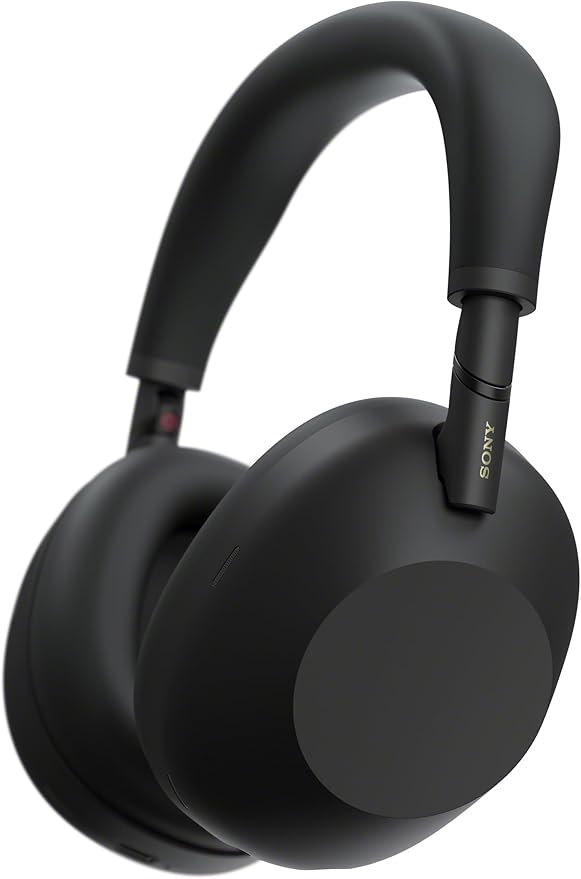
Measured cancellation: TechGearLab measured 26.6 dB of low-band, 26.6 dB of mid-band and 46.7 dB of high-band reduction — a 33.3 dB three-band average, the highest in its published table. The high-band figure is doing real work in that average, but the XM6 does not buy its rank with one band: its low and mid figures sit level with the Bose flagship’s, so the average lead is built on consistency plus an exceptional top end.
A second lab points the same way. SoundGuys measured the XM6 reducing average loudness by 87% in its attenuation testing — the highest percentage SoundGuys reported in that comparison. RTINGS’ measurements, as summarised from its review data, put the XM6’s overall noise attenuation at −28.40 dB, with mid-range attenuation of −32.30 dB and treble attenuation of −34.19 dB, and RTINGS measured −24.43 dB against aeroplane engine rumble specifically. Three labs, three methodologies, one conclusion: nothing else we could find published measurements for cancels more overall.
That strength maps neatly onto real journeys. The low-band figure handles the constant drone that makes long flights exhausting, while the mid-band performance is what keeps neighbouring conversations as murmur rather than distraction. Sony’s twelve-microphone array and faster noise-cancelling processor exist precisely to widen the range of sounds the system can react to, and the measurements suggest the hardware is earning its keep, particularly on the less predictable noises older ANC used to miss. If your single priority is the deepest measurable quiet, this is the headphone the data puts first — and our full Sony WH-1000XM6 review covers how it performs beyond the lab numbers.
2. Apple AirPods Max 2 — strongest where engines and voices live

Measured cancellation: TechGearLab measured 31.6 dB of low-band, 33.1 dB of mid-band and 35.0 dB of high-band reduction — a 33.2 dB three-band average that lands within a tenth of a decibel of the Sony. Look at the shape rather than the average, though, and the AirPods Max 2 arguably posts the most impressive profile on this list: its low-band figure is the highest TechGearLab measured on any model, and its mid-band figure leads the table outright.
That profile matters because low and mid are the bands you actually live in. Engine rumble, road noise, heating and ventilation hum, and the human voice all sit in the ranges where the Max 2 is strongest. Its high-band figure is the lowest of our top three, which is why it ranks second on the average rather than first — but high-band noise is also where the earcups’ passive seal does much of the work, and Apple’s large cushions seal consistently. Buyers whose noise problem is a cabin, a commute or an open-plan office are looking at the strongest measured performer in the frequencies that dominate those places.
The trade-offs live outside the measurements, and this ranking deliberately ignores them: you will want an iPhone or another Apple device to get the most from it, and it is a heavy headphone by flagship standards. None of that changes the lab result. On published numbers alone, the AirPods Max 2 cancels as much total noise as anything you can buy, and more than anything else in the two bands that matter most.
3. Bose QuietComfort Ultra Headphones (2nd Gen) — the low-frequency specialist

Measured cancellation: TechGearLab measured 26.5 dB of low-band, 30.2 dB of mid-band and 40.2 dB of high-band reduction — a 32.3 dB three-band average. Independent reporting of RTINGS’ testing credits the second-generation Ultra with approximately 32 dB of attenuation across the 100–1000 Hz range, the band where engine and HVAC noise concentrates, which corroborates TechGearLab’s picture of a headphone built to dominate the bottom end.
The band shape tells the Bose story clearly. Its mid-band figure beats the Sony XM6’s in TechGearLab’s table, its high-band figure is strong, and its low-band figure matches the XM6 almost exactly. What keeps it third rather than higher is simply that the two models above it average slightly more across all three bands. In any single environment — cabin, subway car, droning office — the practical gap between first and third here is small enough that fit on your own head could reverse it.
Bose’s CustomTune calibration, which adapts the cancellation to the shape of your ears each time you put the headphones on, is aimed at exactly that fit variable: a system that measures and adjusts to the individual wearer should hold its lab performance more reliably in the real world than one tuned for an average head. Frequent flyers have trusted this product line for years; the published measurements for this generation say that trust is still well placed, even if the outright average crown has moved.
4. Sony WH-1000XM5 — still elite at the top end

Measured cancellation: TechGearLab measured 19.3 dB of low-band, 28.5 dB of mid-band and 47.1 dB of high-band reduction — a 31.6 dB three-band average. The detail worth staring at is the high-band figure: at 47.1 dB, it is the single highest band measurement in TechGearLab’s entire table, edging even its successor. Hiss, clatter and the sharp edges of nearby sound are where the XM5 remains, on paper, the strongest canceller here.
Its weakness is equally specific. The 19.3 dB low-band figure is the lowest of any model in this top six, well behind the AirPods Max 2 and several decibels behind its own successor. In practice that means the XM5 is a better silencer of offices than of aeroplanes: voices and keyboards melt away, but a portion of engine drone survives that the newer flagships would erase. Whether that matters depends entirely on where you listen — a home worker may never notice the gap, while a weekly flyer will hear it on every sector.
As the previous-generation flagship, the XM5 is also the natural value play in this ranking now that its successor exists, and its mid-band figure still beats several newer rivals. If your noise problem is chatter rather than rumble, the measurements say you give up very little by choosing it. If your problem is a cabin at cruising altitude, the three models above it earn their places.
5. JBL Tour One M3 — the balanced outsider

Measured cancellation: TechGearLab measured 25.8 dB of low-band, 26.9 dB of mid-band and 41.5 dB of high-band reduction — a 31.4 dB three-band average that puts a JBL within two decibels of the Sony flagship at the top of this list. There is no weak band in that profile: the low figure is within a decibel of the Bose and Sony flagships, and the high figure clears forty decibels.
That balance is the M3’s argument. The models above it each spike somewhere — the XM5 at the top end, the AirPods Max 2 at the bottom — while the JBL posts a near-flagship number everywhere and collapses nowhere. For a listener whose environment changes through the day, from street to train to office, a flat measured profile is arguably more useful than a higher average built on one spectacular band. Its eight-microphone adaptive system is doing measurable work, not marketing work.
The Smart Tx bundle linked here adds a small transmitter that plugs into sources Bluetooth cannot reach, including seatback entertainment screens — genuinely useful for flyers — but note that it plays no part in this ranking. The M3 is here because a respected lab measured its cancellation within touching distance of the famous names, and buyers who never considered JBL for flagship ANC should update that assumption.
6. Apple AirPods Max — the original still measures up
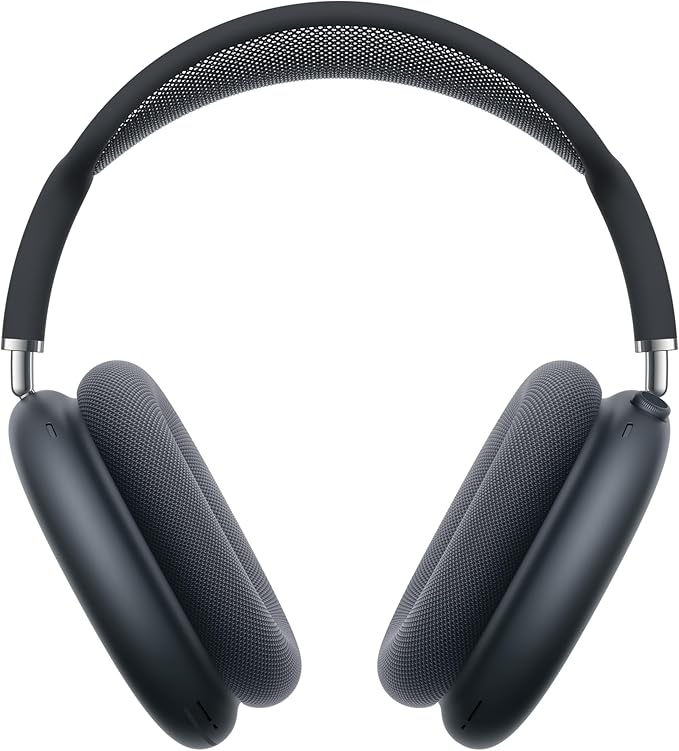
Measured cancellation: TechGearLab measured 25.8 dB of low-band, 31.4 dB of mid-band and 35.6 dB of high-band reduction — a 30.9 dB three-band average. SoundGuys’ attenuation measurements add supporting evidence: SoundGuys found the original AirPods Max’s isolation reaching up to 50 dB of attenuation at the highest pitches, with consistent cancellation through the low frequencies. Years after launch, that is still a top-six measured result.
The mid-band figure deserves emphasis. At 31.4 dB, the original Max posts the second-highest mid-band measurement in TechGearLab’s table, beaten only by its own successor — voices, announcements and office noise are exactly what it suppresses best. Its low-band figure is respectable rather than class-leading, and its high-band figure is the lowest in this top six, which is what separates it from the models above rather than any failure in the bands that dominate daily noise.
If you already own these, the measurements offer reassurance: the gap to the newest flagships is a couple of decibels on average, not a generation’s worth. If you are buying today and cancellation is the whole argument, the successor at rank two is the measurable upgrade, particularly at low frequencies.
No comparable published measurement — deliberately not ranked
Several famous names are missing from the ranking above, and the reason is methodological, not a judgement on their quality. The Bowers & Wilkins Px8 and Px7 S3, the Sonos Ace and the Sennheiser Momentum 5 Wireless do not appear in TechGearLab’s published reduction table, and we could not find a published measurement for them on a basis comparable with the dataset used here — so they are not ranked on reputation. For the record, TechGearLab did measure the older Sennheiser Momentum 4 at 13.2 dB low, 22.5 dB mid and 35.1 dB high — a 23.6 dB average that would fall well outside this top six.
Earbuds are excluded for a different reason: their measurements exist, but on different terms. SoundGuys measured the Bose QuietComfort Ultra Earbuds cutting up to 34 dB below 400 Hz and peaking near 39 dB above 1 kHz — strong numbers, but from a different test methodology than the over-ear dataset above, and an in-ear seal is not comparable with an over-ear cup. Ranking them against this list would mix two measurement systems and produce a false order, so earbuds get their own stage in our roundup of the best noise cancelling headphones overall.
Which measured profile fits your noise?
Read the bands, not just the ranks. If your world is engines and road hum, weight the low column: the AirPods Max 2 and its 31.6 dB low-band measurement from TechGearLab lead there, with the Sony XM6 and Bose Ultra close behind. If your world is voices, the mid column is decisive — the AirPods Max 2 and original AirPods Max top it in TechGearLab’s measurements. If your world is a bit of everything, the three-band average at the heart of this ranking is the honest guide, and it says the Sony WH-1000XM6, by a nose, is the strongest noise cancelling headphone you can buy on published evidence.
Frequently asked questions
What are the strongest noise cancelling headphones by measured dB?
By three-band average of TechGearLab’s published Active Noise Cancelling Reduction measurements, the Sony WH-1000XM6 is strongest at 33.3 dB, followed by the Apple AirPods Max 2 at 33.2 dB and the Bose QuietComfort Ultra Headphones (2nd Gen) at 32.3 dB. SoundGuys’ separate measurements also put the XM6 first, reducing average loudness by 87% in its testing.
Why rank by a three-band average instead of one peak dB figure?
Because cancellation varies by frequency and a peak figure usually comes from the high band, where the earcup seal does much of the work. TechGearLab publishes low, mid and high band reductions for each model; averaging them rewards headphones that cancel everywhere — engines, voices and hiss — rather than one that spikes in a single band.
Is Bose or Sony stronger for aeroplane noise specifically?
It is close and band-dependent. TechGearLab measured identical 26.6 dB and 26.5 dB low-band reductions for the Sony WH-1000XM6 and Bose QuietComfort Ultra (2nd Gen), while RTINGS’ testing, as reported from its measurements, credits the Bose with roughly 32 dB of attenuation in the 100–1000 Hz engine-noise band, and RTINGS measured the Sony at −24.43 dB against aeroplane rumble in its own scenario testing. Different rigs, similar verdict: both are elite for flying.
Do noise cancelling earbuds cancel more than over-ear headphones?
Published earbud measurements use different methodologies, so the numbers cannot be ranked directly against over-ear results. SoundGuys measured the Bose QuietComfort Ultra Earbuds cutting up to 34 dB below 400 Hz, for example, but that figure comes from SoundGuys’ in-ear attenuation testing, not the TechGearLab over-ear dataset used for this ranking.
Does the strongest ANC mean the best sound?
No. This ranking deliberately ignores sound quality, comfort, battery life and features, and orders the headphones purely by measured noise reduction. A model ranked lower here may well suit you better overall — the ranking answers one question only: which headphone makes the world measurably quietest.

I am the founder of Sound Mavericks, where I provide the polite truth about audio equipment. I started this site because consumer electronics reviews are often too technical. Instead of using a silent lab, I test headphones, earbuds, and Bluetooth speakers in the real world – like on a noisy subway or in a busy coffee shop.
To stay independent, I buy my own review units (mostly from the United States) rather than accepting free gifts from brands. Once I finish testing a product, I sell it locally to our community. My goal is to help you understand sound quality, active noise cancellation (ANC), and battery life without the marketing hype.