Most noise cancelling headphone roundups rank by silence first and sound second. This one does the opposite. Every pick below has genuine, travel-grade active noise cancellation — that is simply the entry ticket. The ranking order itself is decided by sound alone: driver technology, Bluetooth codec support, tuning, detail retrieval and soundstage. A headphone with slightly weaker ANC but clearly better music playback ranks above a quieter rival every time in this list.
That methodology changes the leaderboard. The top spots go to hi-fi brands — Focal and Bowers & Wilkins — built around serious drivers and high-resolution signal paths, while the usual ANC champions from Sony and Bose land further down: their tuning prioritises features and cancellation over outright fidelity. Our ordering draws on manufacturer specifications and the published review consensus, justified pick by pick below.
If you want the quietest possible cabin, our guide to the best noise cancelling headphones ranks purely on cancellation. If you care most about how the music actually sounds once the world goes quiet, read on.
SoundMavericks Verdict — Sound First
Best sounding overall: Focal Bathys — French-made aluminium-magnesium drivers and a built-in USB DAC mode; the closest thing to a wired hi-fi headphone with ANC.
Best for clarity and luxury feel: Bowers & Wilkins Px8 — carbon cone drivers and a warm, refined tuning.
Best high-resolution wireless value: Bowers & Wilkins Px7 S3 — aptX Lossless support and a lively, detailed sound.
Best Sounding Noise Cancelling Headphones at a Glance
| Headphone | Driver | Top Codecs | Sound Character | Buy |
|---|---|---|---|---|
| Focal Bathys | 40mm aluminium-magnesium M-dome | aptX Adaptive, AAC + USB DAC | Balanced, dynamic, widest stage | Check Price |
| Bowers & Wilkins Px8 | 40mm carbon cone | aptX Adaptive, aptX HD, AAC | Warm, lush, refined | Check Price |
| Bowers & Wilkins Px7 S3 | 40mm bio-cellulose | aptX Lossless, aptX Adaptive, AAC | Lively, punchy, detailed | Check Price |
| Sennheiser Momentum 4 | 42mm dynamic | aptX Adaptive, aptX, AAC | Natural, balanced, full-bodied | Check Price |
| Sony WH-1000XM6 | 30mm carbon fibre composite | LDAC, AAC, LC3 | Clean, precise, studio-leaning | Check Price |
| Apple AirPods Max | 40mm Apple-designed dynamic | AAC + wired USB-C lossless | Spacious, clean, cinematic | Check Price |
| Bose QuietComfort Ultra | Bose dynamic (undisclosed size) | aptX Adaptive (Snapdragon Sound), AAC | Smooth, immersive, easy-going | Check Price |
How We Ranked These Headphones: Sound Quality First
Three things separate a great-sounding ANC headphone from a merely good one. First, the driver: stiff, light diaphragms — carbon cone, bio-cellulose, aluminium-magnesium — control distortion and resolve fine detail that softer drivers smear. Our explainer on dynamic vs planar magnetic drivers covers why diaphragm material matters so much. Second, the codec ceiling: SBC and AAC cap what reaches your ears, while LDAC, aptX Adaptive and aptX Lossless carry measurably more musical information from a capable source. Third, tuning: the frequency balance the manufacturer voices into the headphone decides whether vocals sit naturally, bass stays textured, and treble sparkles without fatigue.
Codec support only pays off when your phone or laptop speaks the same language, which is why our breakdown of Bluetooth codecs — AAC vs LDAC vs aptX is worth reading before you buy around a codec your devices cannot use. And because soundstage in headphones is the quality that most separates the hi-fi picks here from the mainstream flagships, we weighted it heavily: the sense of width, layering and space around instruments is where the Focal and Bowers & Wilkins models pull away.
1. Focal Bathys — Best Sounding Noise Cancelling Headphones Overall

The Bathys is what happens when a loudspeaker and hi-fi headphone maker builds a wireless ANC model without treating sound as a secondary spec. Its 40mm aluminium-magnesium drivers use Focal’s M-shaped dome geometry, made in France, and that driver pedigree shows: reviewers consistently describe the Bathys as the most spacious, natural-sounding headphone in the wireless ANC class, with What Hi-Fi? highlighting a soundstage wider than its rivals and a balanced tonality that needs little or no EQ correction. Against the Bowers & Wilkins Px8, comparative listening coverage tends to give the Bathys the edge on bass texture, treble composure and overall balance, while the Px8 fights back on midrange lushness — a genuinely close contest that the Focal wins on versatility across genres.
The decisive advantage is the wired escape hatch. Beyond Bluetooth with aptX Adaptive and AAC, the Bathys runs as a USB DAC at up to 24-bit/192kHz, bypassing Bluetooth compression entirely, and that mode is where it pulls clear of every other pick here for critical listening at a desk. ANC is split into Silent and Soft modes and is perfectly competent for flights and offices — simply not class-leading, and under this ranking that costs it nothing.
- 40mm aluminium-magnesium M-dome drivers, made in France
- aptX Adaptive, aptX, AAC and SBC over Bluetooth 5.1
- USB DAC mode up to 24-bit/192kHz, plus 3.5mm wired listening
- Five-band EQ in the Focal & Naim app; around 30 hours of battery with ANC
2. Bowers & Wilkins Px8 — Best for Clarity, Detail and Luxury Listening

The Px8 is Bowers & Wilkins’ flagship, and its 40mm carbon cone drivers — angled in the earcups, driven by a 24-bit DSP signal path — deliver the warm, lush and exceptionally clear presentation the brand is known for. Trusted Reviews describes high-fidelity sound as being at the core of the Px8’s identity, and the wider review consensus praises its midrange in particular: vocals and acoustic instruments carry a richness and separation that mainstream flagships rarely match. Treble has real sparkle and air, which flatters jazz, classical and well-recorded acoustic music.
Codec support runs to aptX Adaptive, aptX HD, aptX, AAC and SBC, so Android listeners with capable phones get a genuinely high-bandwidth wireless path, and USB-C wired audio is on hand too. The trade-offs are a somewhat intimate soundstage by Bathys standards and a bass presentation that leans generous. Neither stops the Px8 being, purely as a music machine, one of the two best-sounding ANC headphones you can buy — and the one many listeners will prefer for vocal-led music.
- 40mm carbon cone drivers with dedicated 24-bit DSP
- aptX Adaptive and aptX HD for high-resolution Android listening
- Nappa leather and cast aluminium build; USB-C wired audio
- Around 30 hours of battery with ANC on
3. Bowers & Wilkins Px7 S3 — Best High-Resolution Wireless Sound for the Money

If the Px8 is out of reach, the Px7 S3 is where the sound-per-pound argument gets very strong. Its redesigned 40mm bio-cellulose drivers sit behind a dedicated amplifier and DAC stage with a true 24-bit audio path, and it is one of the first headphones anywhere to support aptX Lossless — bit-perfect wireless audio from compatible Snapdragon Sound phones. Even on standard aptX Adaptive or AAC, reviewers find the S3 lively, punchy and technically strong, with tight bass, clean mids and controlled, non-fatiguing highs.
Head-to-head listening coverage places the Px7 S3 a small step behind the Bathys on tonal balance and stage width, and behind the Px8 on refinement — but ahead of the Sony and Sennheiser flagships for many listeners on sheer engagement, with a slightly V-shaped energy that suits rock, electronic and pop. A five-band EQ plus TrueSound mode in the Bowers & Wilkins Music app lets you flatten that curve if you prefer. For Android users especially, this is the sweet spot of the entire list.
- 40mm bio-cellulose drivers with dedicated DSP, amplifier and DAC
- aptX Lossless, aptX Adaptive, aptX HD, AAC and SBC
- USB-C audio up to 24-bit/96kHz; five-band EQ plus TrueSound
- Around 30 hours of battery; eight-microphone ANC array
4. Sennheiser Momentum 4 — Best Balanced, Natural Tuning

Sennheiser voiced the Momentum 4 around a 42mm dynamic driver with a notably natural, balanced signature, and it remains the mainstream flagship that sound-focused reviewers reach for first. Where Sony leans clean and Bose leans smooth, the Momentum 4 sounds full-bodied and organic, with the kind of midrange honesty that makes guitars, pianos and voices feel present rather than processed. Independent comparisons repeatedly score its post-EQ audio at or near the top of the flagship group — ahead of Sony and Bose on pure sound, even while its ANC trails them.
The codec story is aptX Adaptive, aptX, AAC and SBC. There is no LDAC, which costs it a place in a sound-first ranking, but aptX Adaptive from a compatible Android phone is a high-quality path, and the Sennheiser Smart Control app’s EQ and Sound Personalization tools genuinely improve fit between the tuning and your hearing. Add a class-leading battery life measured in days rather than hours, and the Momentum 4 is the easiest recommendation here for listeners who want natural sound without the luxury-brand tariff.
- 42mm dynamic driver with natural, balanced Sennheiser tuning
- aptX Adaptive and aptX support; no LDAC
- Sound Personalization and EQ in the Smart Control app
- Up to 60 hours of battery life with ANC on
5. Sony WH-1000XM6 — Best Sounding Mainstream Flagship with LDAC
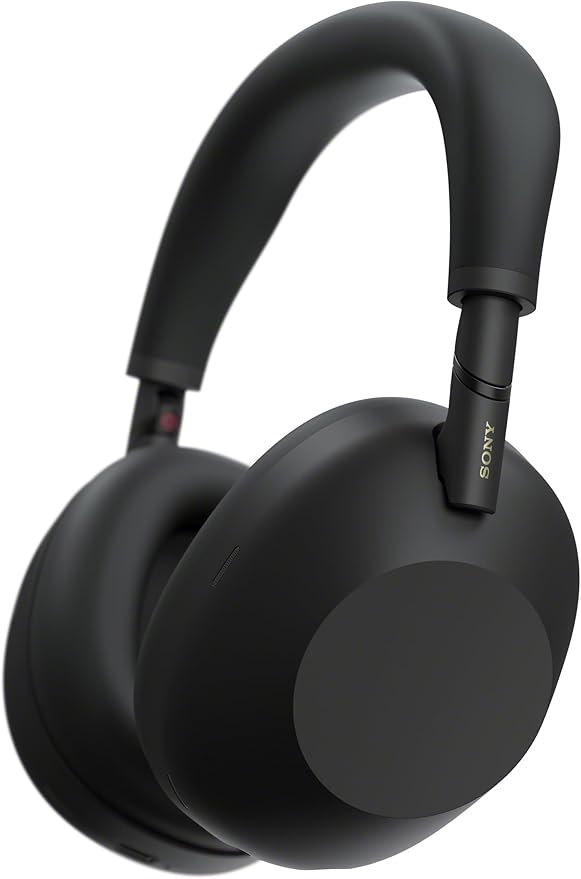
The XM6 is Sony’s best-sounding flagship yet. Its 30mm driver uses a carbon fibre composite dome, the tuning was refined with input from professional mastering engineers, and the result — per the review consensus — is a cleaner, more precise presentation than the XM5, with tighter bass and better-resolved detail. It sits fifth here not because it sounds poor, but because the four headphones above it resolve more texture and stage depth; in audiophile terms, the XM6 is very good rather than exceptional.
Its trump card is LDAC: at up to 990kbps and 24-bit/96kHz from a compatible Android phone or a hi-res streaming service, it carries more wireless data than anything else on this list except the aptX Lossless-equipped Px7 S3. Sony’s app also offers a proper multi-band EQ, so the mildly consumer-leaning stock tuning can be pulled toward neutral. If your priority list blends sound with the strongest all-round feature set in the class, the XM6 is the mainstream pick to beat.
- 30mm carbon fibre composite driver, tuned with mastering engineers
- LDAC up to 990kbps, plus AAC, SBC and LC3
- Multi-band EQ and 360 Reality Audio in the Sony app
- Around 30 hours of battery with ANC on
6. Apple AirPods Max — Best Sounding Pick for iPhone Listeners
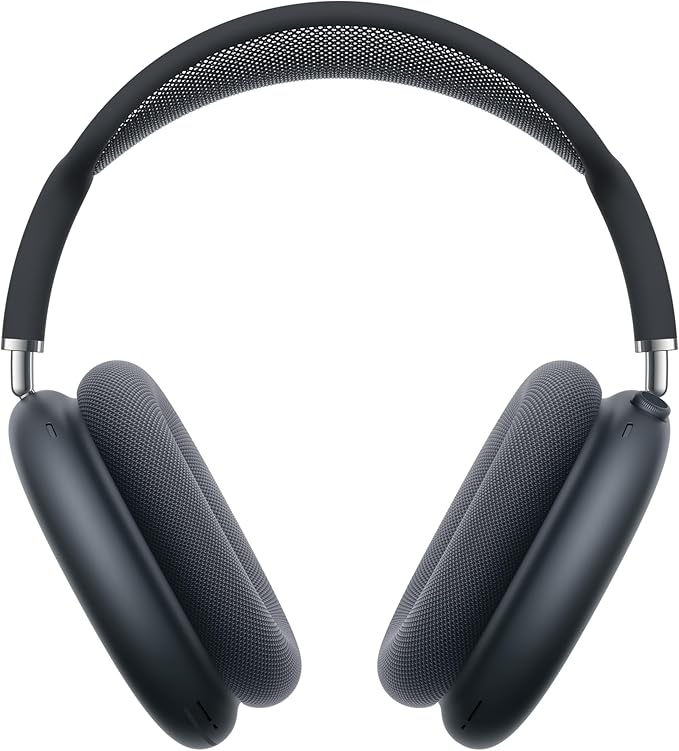
Apple’s 40mm dynamic driver, built around a dual neodymium ring magnet motor designed to keep distortion down at volume, gives the AirPods Max a clean, spacious and impressively separated sound. Comparative listening coverage credits it with excellent instrument layering, and its Personalized Spatial Audio presentation — for films as much as music — is the most convincing in this group. On an iPhone, where every headphone here is limited to AAC anyway, the AirPods Max’s acoustic design lets it punch at the level of the picks above it.
What holds it to sixth place in a sound-first ranking is the ceiling: there is no LDAC and no aptX, so Android and hi-res listeners cannot feed it a high-bandwidth wireless signal, and its wired path runs over USB-C only. It is also the heaviest headphone on this list, which matters over long listening sessions. Inside the Apple ecosystem, though, it remains a genuinely great-sounding ANC headphone rather than merely a fashion statement.
- 40mm Apple-designed dynamic driver with low-distortion motor design
- AAC over Bluetooth; lossless listening available wired over USB-C
- Personalized Spatial Audio with head tracking
- Aluminium and stainless steel build; around 20 hours of battery
7. Bose QuietComfort Ultra — Smoothest, Most Forgiving Sound

Placing the Bose last in a sound-first ranking is precisely the point of this list. The QuietComfort Ultra owns the strongest noise cancellation here and a CustomTune system that measures your ears and calibrates both sound and ANC to them — genuinely clever engineering. Its Immersive Audio spatial modes are fun and effective, and via Snapdragon Sound devices it supports aptX Adaptive, a real step up from the AAC and SBC it falls back on elsewhere.
As pure music playback, though, the review consensus puts it behind the hi-fi picks above: the tuning is smooth, warm and forgiving — pleasant on almost anything, and kind to poor recordings — but it concedes fine detail, neutrality and stage width to the Focal, Bowers & Wilkins and Sennheiser models. Bose also does not publish its driver size, so it cannot earn the driver-technology credit this ranking awards elsewhere. Buy it if silence and comfort share top billing; buy above it if the music itself comes first.
- CustomTune ear calibration for personalised sound and ANC
- aptX Adaptive via Snapdragon Sound; AAC and SBC otherwise
- Bose Immersive Audio spatial modes
- Class-leading ANC; around 24 hours of battery
Which Sound Signature Is Right for You?
Choose the Focal Bathys if you listen critically across genres and want one headphone that can double as a wired USB DAC at your desk. Choose the Px8 for warm, luxurious vocal and acoustic listening, or the Px7 S3 if you own an aptX Lossless-capable Android phone and want the best wireless signal path for the money. The Momentum 4 suits listeners who prefer a natural balance and rarely want to charge. The XM6 is the LDAC all-rounder, the AirPods Max is the iPhone listener’s pick, and the QuietComfort Ultra earns its place when world-class quiet matters almost as much as the music. Whichever you choose, feeding any of them a lossless or high-resolution source — rather than a low-bitrate stream — is the cheapest sound upgrade of all.
Frequently Asked Questions
What are the best sounding noise cancelling headphones?
On sound quality alone, the Focal Bathys ranks first in our analysis, thanks to its aluminium-magnesium M-dome drivers, balanced tuning and wired USB DAC mode. The Bowers & Wilkins Px8 and Px7 S3 follow closely, ahead of the Sennheiser Momentum 4, Sony WH-1000XM6, AirPods Max and Bose QuietComfort Ultra.
Do noise cancelling headphones sound worse than regular headphones?
ANC adds processing and microphones, and budget ANC models often sacrifice tuning to pay for it. At the flagship level the gap has largely closed: the Focal Bathys and Bowers & Wilkins Px8 are praised by hi-fi reviewers as genuinely excellent headphones that happen to cancel noise, not noise cancellers that happen to play music.
Which Bluetooth codec is best for sound quality — LDAC or aptX?
LDAC reaches up to 990kbps and aptX Lossless can deliver bit-perfect CD-quality audio, with aptX Adaptive and aptX HD close behind. In practice the difference between them is smaller than the difference made by the headphone’s driver and tuning — and your phone must support the codec for it to matter at all. iPhones use AAC with every headphone.
Are the Focal Bathys worth it over the Sony WH-1000XM6?
For sound, yes: the Bathys offers better detail, a wider soundstage and a true high-resolution USB DAC mode. The XM6 counters with stronger noise cancellation, LDAC, better call quality and a lighter build. If music fidelity is the priority, the Bathys justifies itself; if you want the best all-rounder, the Sony is the safer buy.
Can you listen to these headphones wired for better sound?
Most of them, yes. The Focal Bathys (USB DAC and 3.5mm), Bowers & Wilkins Px8 and Px7 S3 (USB-C audio), Sennheiser Momentum 4 and Sony WH-1000XM6 (3.5mm) all support wired listening, and the AirPods Max supports lossless playback over USB-C. Wired listening removes Bluetooth compression entirely and is the easiest way to hear what these drivers can really do.

I am the founder of Sound Mavericks, where I provide the polite truth about audio equipment. I started this site because consumer electronics reviews are often too technical. Instead of using a silent lab, I test headphones, earbuds, and Bluetooth speakers in the real world – like on a noisy subway or in a busy coffee shop.
To stay independent, I buy my own review units (mostly from the United States) rather than accepting free gifts from brands. Once I finish testing a product, I sell it locally to our community. My goal is to help you understand sound quality, active noise cancellation (ANC), and battery life without the marketing hype.