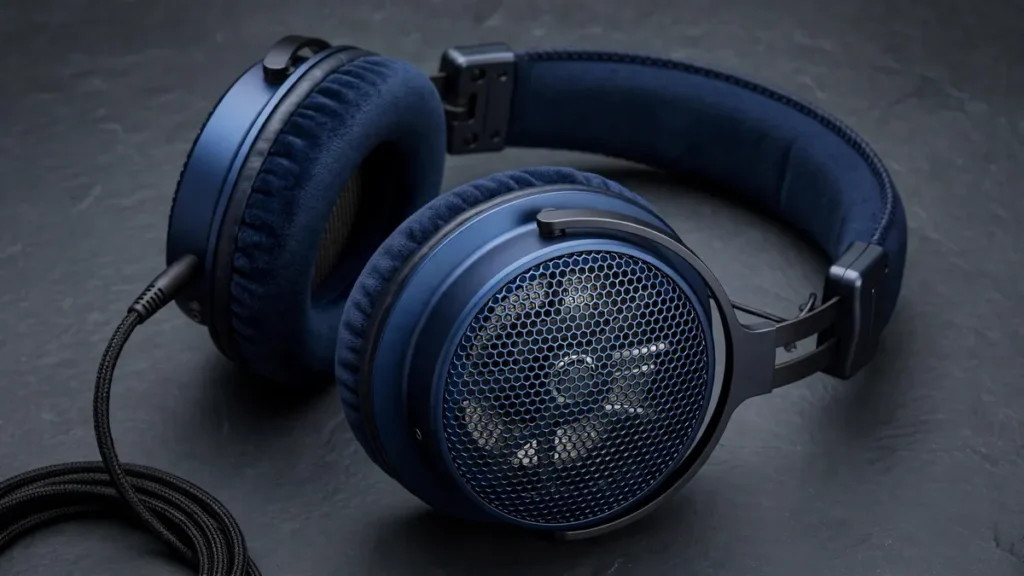
Most flagship headphone reviews assume you are buying new, at full launch pricing, on day one. That is not how most people buy a Sony WH-1000XM3 or WH-1000XM4 in 2026. These two generations — launched in 2018 and 2020 respectively — now change hands almost entirely through used, renewed and refurbished listings. That changes the questions completely. Nobody needs to know whether the XM3 had the best noise cancelling of 2018. You need to know whether a six-to-eight-year-old lithium battery still holds a useful charge, whether the hinges and ear pads survive inspection, whether Sony’s app still supports the pair in front of you, and whether the money would be better spent on a used WH-1000XM5 or a new budget model instead.
This is a research- and specification-based used-buying assessment, not a fresh hands-on review of either model as a new product. If you want the deep dive on the XM4’s sound, controls and features as a headphone in its own right, read our full Sony WH-1000XM4 review. Here, the XM3 finally gets the standalone coverage it has never had on this site — through the only lens that still matters for it: buying one used, safely, in 2026.
Buy the WH-1000XM4 used first. Multipoint Bluetooth, wear detection and a newer battery in most listings make it the safer used purchase of the two. Buy the WH-1000XM3 used only when the listing is genuinely cheap and graded — its noise cancelling and sound remain excellent, but you are buying the oldest battery and giving up multipoint entirely. Either way, buy through a listing with a real returns window, and run the battery and hinge checks in this guide the day it arrives.
Sony WH-1000XM3 vs WH-1000XM4: The Specs That Matter Used
On paper these two generations look almost identical: the same 40mm drivers, the same headline 30-hour battery rating with noise cancelling on, similar weights and the same design language. The differences that actually matter to a used buyer are concentrated in a handful of rows — Bluetooth version, multipoint, codecs and wear detection — because those are the things you cannot fix with a new set of ear pads.
| Specification | Sony WH-1000XM3 (2018) | Sony WH-1000XM4 (2020) |
|---|---|---|
| Product | Sony WH-1000XM3 Check Price | Sony WH-1000XM4 Check Price |
| Noise cancelling | HD Noise Cancelling Processor QN1 | HD Noise Cancelling Processor QN1, improved real-time processing |
| Driver | 40mm | 40mm |
| Bluetooth | 4.2, with NFC pairing | 5.0 |
| Multipoint (two devices at once) | No | Yes |
| Codecs | SBC, AAC, aptX, aptX HD, LDAC | SBC, AAC, LDAC (no aptX) |
| Wear detection / auto pause | No | Yes, plus Speak-to-Chat |
| Rated battery (ANC on) | Up to 30 hours (when new) | Up to 30 hours (when new) |
| Charging | USB-C | USB-C |
| Weight | Approx. 255g | Approx. 254g |
The codec row deserves a second look because it cuts in the XM3’s favour in one narrow case. The XM3 still carries aptX and aptX HD, which the XM4 dropped. If your main source is an Android phone or a Bluetooth transmitter that leans on aptX, the older headphone can actually be the better technical match. For iPhone users both models run AAC and the point is moot, and for high-resolution streaming both models top out at LDAC. Multipoint, though, is the difference most people feel daily: the XM4 sits connected to a laptop and a phone at the same time and switches as calls come in, while the XM3 must be manually reconnected every time you change device. In 2026, when most of us live across two screens, that single feature is worth real money in a used listing.
The Battery Reality: What 30 Hours Means on a Used Pair
Both headphones were rated for up to 30 hours with noise cancelling on when their batteries were new. Lithium cells age whether they are used or not, and a WH-1000XM3 bought in 2018 or 2019 has now been through years of charge cycles, heat and storage. A realistic expectation for a used XM3 today is a noticeably reduced runtime — think in terms of a solid day or two of listening rather than a working week — and a used XM4, being roughly two years younger on average, usually fares somewhat better. Treat any seller claim of “battery like new” as marketing until you have tested it yourself.
The saving grace is that degradation on these models is gradual rather than catastrophic. A tired XM3 or XM4 does not usually die mid-flight; it simply needs charging more often, and both models charge over USB-C, so a short top-up from a laptop or power bank is painless. What you should not accept is a battery that drains visibly within an hour or two, drops percentage in big jumps, or refuses to charge past a partial level — those are signs of a cell at the end of its life, and a replacement is not a user-serviceable job on either model. Run this test during your returns window: charge to full, play music with noise cancelling on at moderate volume for two hours, and note the drop. A healthy used pair should lose a modest, steady slice of charge. A pair that sheds a third of its battery in that time should go back.
Storage history matters too. Headphones that sat in a hot car or a drawer at zero charge for a year will have aged faster than a daily-driven pair that was kept topped up. You cannot see that history in a listing photo, which is exactly why the returns window — not the seller’s description — is your real protection.
Hinges, Pads and Headbands: The Physical Inspection
The 1000X design folds flat and folds up, which means hinges and sliders do real work on every pair. On used XM3 and XM4 units, inspect three things before anything else. First, the yoke and slider area on each side: extend and retract the headband slowly and feel for grinding, looseness or hairline cracking around the pivot — long-term owner reports on the XM3 generation flag the side sliders as its known weak point, so any crack there is a walk-away fault, not a cosmetic one. Second, the folding hinges: the earcups should fold with firm, even resistance and sit flat without wobbling. Third, the ear pads and headband cushion: the protein-leather coating on well-used pairs flakes and peels, and crushed foam changes both comfort and the seal that noise cancelling depends on. Pads are the one wear item that is genuinely fixable — replacement pads for both models are widely available and swap in minutes — so worn pads are a negotiation point, while a cracked slider is a rejection.
Also check the small things sellers photograph least: the USB-C port for looseness, the 3.5mm jack (both models still work wired, which is also your fallback if the battery ever gives up entirely), the touch panel on the right earcup for unresponsive areas, and the physical buttons. Confirm the original case is included if the listing claims it — both models shipped with a hard carry case, and its absence on a “complete” listing tells you something about how the set was kept.
App and Firmware Support in 2026
A used flagship is only as good as the software that still talks to it. Both the WH-1000XM3 and WH-1000XM4 were managed through Sony’s Headphones Connect app, which Sony has since evolved into its current Sound Connect app; both generations remain supported models within Sony’s app ecosystem, so EQ adjustment, noise cancelling levels, Adaptive Sound Control on the XM3, and features such as Speak-to-Chat and wear-detection settings on the XM4 remain configurable on a used pair. That matters more than it sounds: a factory-reset used XM4 may arrive with Speak-to-Chat on its most sensitive setting, pausing your music every time you clear your throat, and the app is where you tame it.
Firmware is the second check. Connect the headphones to the app on arrival and let any pending firmware update complete before you judge performance — connection stability and call handling both improved through software over each model’s life. Neither headphone is receiving headline new features at this point in its life, and you should buy either one for what it does today rather than for promised updates. The honest summary is that software support is a reason these two generations remain buyable used at all, not a reason to pay a premium for them.
Sound and Noise Cancelling: Still Flagship-Grade, With Caveats
The reason the used market for these headphones exists at all is that the fundamentals barely dated. The QN1-based noise cancelling in both models still handles the classic use cases — aircraft drone, train rumble, office air conditioning — at a level plenty of newer mid-range headphones struggle to match, and the XM4’s processing holds a small edge in shifting, real-world noise. Sound tuning on both is the familiar warm, bass-forward Sony signature with a customisable EQ in the app; the XM4 adds DSEE Extreme upscaling. Where age genuinely shows is calls: microphone performance was never the XM3’s strength and the XM4 is only adequate by current standards, so if your day is back-to-back calls, a newer model with a modern multi-microphone array will serve you better than either. For music, podcasts and quiet, though, a good used pair of either generation still earns its place — which is precisely why graded, returnable listings hold their value.

Score Cards: How Each Model Rates as a Used Buy
These scores grade each headphone specifically as a used purchase in 2026 — value and remaining life weigh as heavily as raw performance.
| Sound Quality | 8.8 |
| Noise Cancelling | 8.9 |
| Comfort & Design | 8.6 |
| Battery (Remaining Life) | 7.6 |
| Call Quality | 7.4 |
| Value as a Used Buy | 9.0 |
| Sound Quality | 8.7 |
| Noise Cancelling | 8.7 |
| Comfort & Design | 8.5 |
| Battery (Remaining Life) | 6.8 |
| Call Quality | 6.9 |
| Value as a Used Buy | 8.6 |
When to Skip Both: Used XM5 or New Budget Instead
There are two situations where neither used Sony is the right answer. The first is when a used Sony WH-1000XM5 listing lands close to XM4 money: the XM5 is younger, its battery has lived fewer years, and its call quality is a clear step up. Check its current listings before committing to an XM4 at the top of the used range.
The second is when your total budget sits at the very bottom of the XM3’s used range. At that point a brand-new budget noise cancelling headphone — with a fresh battery, a warranty and modern Bluetooth — can be the smarter buy than an eight-year-old flagship with an unknown history. Our guide to the best noise cancelling headphones under 100 covers the current new options, and our main best noise cancelling headphones roundup shows where the current flagships — including the newest Sony generation covered in our Sony WH-1000XM4C review — set the bar a used pair has to clear.
Final Verdict
Should you buy a Sony WH-1000XM3 or WH-1000XM4 used in 2026? Yes to the XM4, with routine caution: it is the complete package of the two, its used listings skew younger, and multipoint plus wear detection keep it feeling current. Yes to the XM3 only at the right grade and price: the sound and noise cancelling are genuinely still flagship-grade, but you are accepting the oldest battery, no multipoint and a slider design that demands a careful inspection. Buy graded, buy returnable, test the battery on day one — and either headphone can be one of the best-value audio purchases of the year.

Frequently Asked Questions
Is the Sony WH-1000XM3 still worth buying in 2026?
Yes, at a genuinely low used price and in graded, returnable condition. Its noise cancelling and sound quality remain excellent, but it lacks multipoint Bluetooth, carries the oldest battery of the 1000X line, and its sliders deserve a careful inspection before you commit.
What is the difference between the WH-1000XM3 and WH-1000XM4?
The XM4 adds multipoint connection to two devices, wear detection with auto pause, Speak-to-Chat and Bluetooth 5.0. The XM3 counters with aptX and aptX HD codecs, which the XM4 dropped. Both offer LDAC, similar 40mm drivers and a 30-hour rated battery when new.
How long does a used WH-1000XM3 battery last?
Expect less than the original 30-hour rating. Age and charge cycles reduce capacity on any pair from 2018–2020, so test a used pair during the returns window: a healthy unit should drain steadily over a two-hour listening session, not shed a large share of its charge.
Does the Sony WH-1000XM4 support multipoint Bluetooth?
Yes. The WH-1000XM4 can stay connected to two Bluetooth devices at once and switch between them, which is one of the main reasons we rank it above the WH-1000XM3 as a used buy — the XM3 connects to one device at a time.
Are the Sony WH-1000XM3 and XM4 still supported by the Sony app?
Yes. Both models remain supported within Sony’s headphone app ecosystem (the app formerly known as Headphones Connect), so EQ, noise cancelling settings and firmware updates remain available on a used pair.
WH-1000XM3 vs XM4: which is better for phone calls?
The XM4, modestly. Call quality was a weak point of the XM3 generation, and the XM4 improved microphone handling. Neither matches current flagships for calls, so heavy callers should also price a used WH-1000XM5.

I am the founder of Sound Mavericks, where I provide the polite truth about audio equipment. I started this site because consumer electronics reviews are often too technical. Instead of using a silent lab, I test headphones, earbuds, and Bluetooth speakers in the real world – like on a noisy subway or in a busy coffee shop.
To stay independent, I buy my own review units (mostly from the United States) rather than accepting free gifts from brands. Once I finish testing a product, I sell it locally to our community. My goal is to help you understand sound quality, active noise cancellation (ANC), and battery life without the marketing hype.