Most durable earbuds are not the pair with the longest feature list. They are the pair still working after a wet winter of runs, a year of gym bags and one bad drop onto concrete. Durability in earbuds comes from four separate things: how well the buds are sealed, how the shell and hooks handle knocks, how the charging case survives, and how the battery ages. A model can be strong on one and weak on the rest, which is why a single IP number never tells the whole story. This guide reads the ratings plainly, then shows what to check in the hand.
IP ratings in plain terms
IP stands for ingress protection. The two digits after it rate dust first and water second. The dust digit runs from 0 to 6, and 6 means fully dust-tight. The water digit runs from 0 to 9 and is the one most buyers are really shopping for. IPX4 handles splashes and sweat. IPX5 stands up to water jets, so rain and a rinse under the tap are fine. IPX7 covers immersion in a metre of water for half an hour in test conditions. IP68 pairs full dust sealing with immersion protection beyond the IPX7 test, at the depth and time the maker states.
Two cautions belong with those numbers. First, the test uses clean, still, fresh water. Salt water, pool chemicals, soap and steam all attack seals in ways the test does not cover, so a rated pair still wants a fresh-water rinse after a sea swim and a full dry before charging. Second, the rating describes the buds when new. Seal performance fades as rubber ages and shells pick up knocks. Our guide to are earbuds waterproof goes through the wording tricks makers use around these ratings.
Build quality you can check in the hand
Start with the case hinge, because it is the moving part you will cycle thousands of times. A good hinge opens with even resistance and closes with a clean snap, with no side-to-side wobble when shut. A loose hinge lets buds shift off their charging pins, and a bud that did not charge is the most common false alarm for a dead pair. Next, the buds themselves: look for smooth seams with no sharp lip where the shell halves meet, since a raised seam is where a drop starts a crack. Hooks and wings should flex and spring back rather than feel brittle, and tips should sit on a firm nozzle that keeps them in place when you pull the bud out of a tight ear.
Weight tells you little on its own. A light bud with a well sealed shell outlasts a heavy bud with an open grille and exposed seams. What you are feeling for is density and finish: no creaks when you squeeze the shell gently, buttons that press without rocking, and mesh over the sound outlet that sits flat and cannot be lifted by a fingernail.
The failure points nobody advertises
Most earbuds do not die from one dramatic drop. They die slowly, at predictable points. Charging contacts corrode when sweat is left on them, until one bud starts charging only when it sits at exactly the right angle. The fine mesh over the driver clogs with wax and dust, and the bud goes quiet rather than silent, so owners blame the driver. Case hinges wear until the lid stops waking the buds reliably. And underneath all of it, the battery loses capacity with every charge cycle, so a pair that once ran a full day of training starts asking for the case by lunch.
None of that shows up in an IP rating. It shows up in whether the maker sells spare tips and hooks, whether the contacts sit recessed where a cloth can reach them, and whether the case closes firmly enough to keep pocket grit away from the pins. Those details decide which pairs are still in daily use years later, and they shape our picks in best earbuds for working out as much as sound does.
Four earbuds built to take punishment
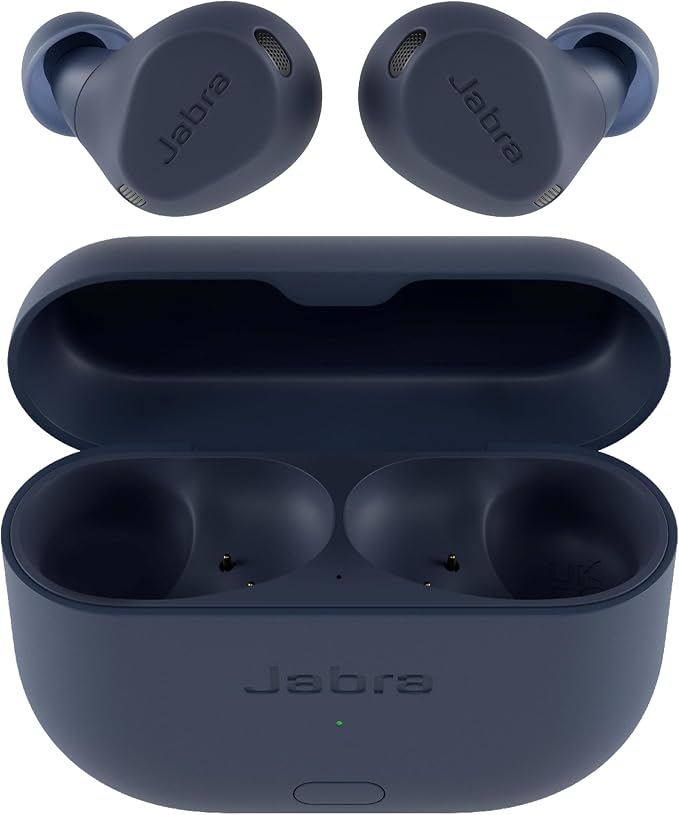
Each pair below carries a genuine immersion-grade or near-immersion-grade rating from our Finder database, with the score pill showing its published overall score. The Jabra also goes through MIL-STD-810H testing for drops, vibration and temperature swings, which is the strongest test claim in this group. Note the honest gap in the list: none of these ratings protects the battery from ageing, so treat the sealing as cover for accidents and weather, not as a promise of a longer total life.


For a wider field at lower ratings, the best budget waterproof earbuds list covers splash-proof pairs, and best waterproof headphones covers over-ear and bone conduction options for swimmers and paddlers.
Habits that kill earbuds early
The fastest way to shorten a pair’s life is to put it away wet. Sweat left in the case corrodes the charging pins and soaks the tips, so wipe the buds dry before they go back, every time. Charging a damp bud is worse: moisture on the contacts plus current is what turns a pin green. Heat is the second killer. A case left on a car dashboard or in a sunny gym bag window ages its battery far faster than the same case in a drawer. The third is the drop you cause yourself, pulling one bud out by its tip over hard ground. Take the shell, not the tip, and a rugged pair will mostly shrug off the drops that still happen.
Frequently asked questions
What does the X mean in a rating like IPX4?
The X means that position was not tested or not rated. In IPX4 the dust position is the X, so the buds carry a water rating only: protection against splashing water from any direction. A full two-digit rating such as IP68 gives you a tested result for both dust and water, which is the stronger claim.
Are IP68 earbuds safe to swim with?
Treat the rating as protection against accidents, not as a swimming licence. IP68 testing uses still, fresh water in controlled conditions. Swimming adds movement, pressure changes, soap and salt or chlorine, and most makers still advise against showering or swimming in their buds. Rinse-and-wear confidence after a run in the rain is the honest way to read it.
Does the IP rating cover the charging case?
Usually not to the same level, and sometimes not at all. Buds are sealed units; cases have hinges, seams and exposed charging contacts. Some sport models rate the case lower, such as IP54, and many cases carry no rating. Unless the maker states a case rating, carry the case as ordinary electronics and keep it out of rain and gym bags full of damp kit.
How long do durable earbuds actually last?
The shell and seals can outlast everything else. In practice the battery sets the limit: two to three years of daily use before run time per charge drops off in a way you notice. A rugged pair protects you against drops, sweat and weather during those years. It does not stop battery ageing, which is why replaceable tips and a sound case matter as much as the headline rating.
Can worn parts be replaced on rugged earbuds?
The wear parts can: ear tips, wings and hooks are replaceable on most sport models, and fresh tips restore both fit and isolation. Batteries and drivers cannot be replaced on sealed true wireless buds. When a bud itself fails, replacement single buds depend on the maker, so check that policy before buying a pair you plan to keep for years.

I am the founder of Sound Mavericks, where I provide the polite truth about audio equipment. I started this site because consumer electronics reviews are often too technical. Instead of using a silent lab, I test headphones, earbuds, and Bluetooth speakers in the real world – like on a noisy subway or in a busy coffee shop.
To stay independent, I buy my own review units (mostly from the United States) rather than accepting free gifts from brands. Once I finish testing a product, I sell it locally to our community. My goal is to help you understand sound quality, active noise cancellation (ANC), and battery life without the marketing hype.