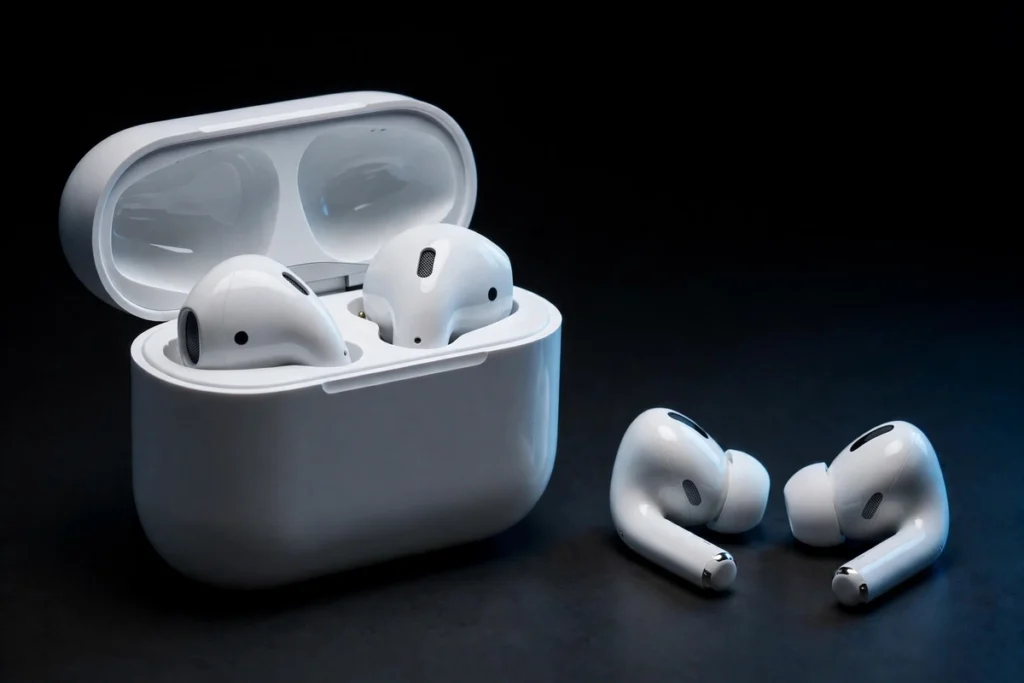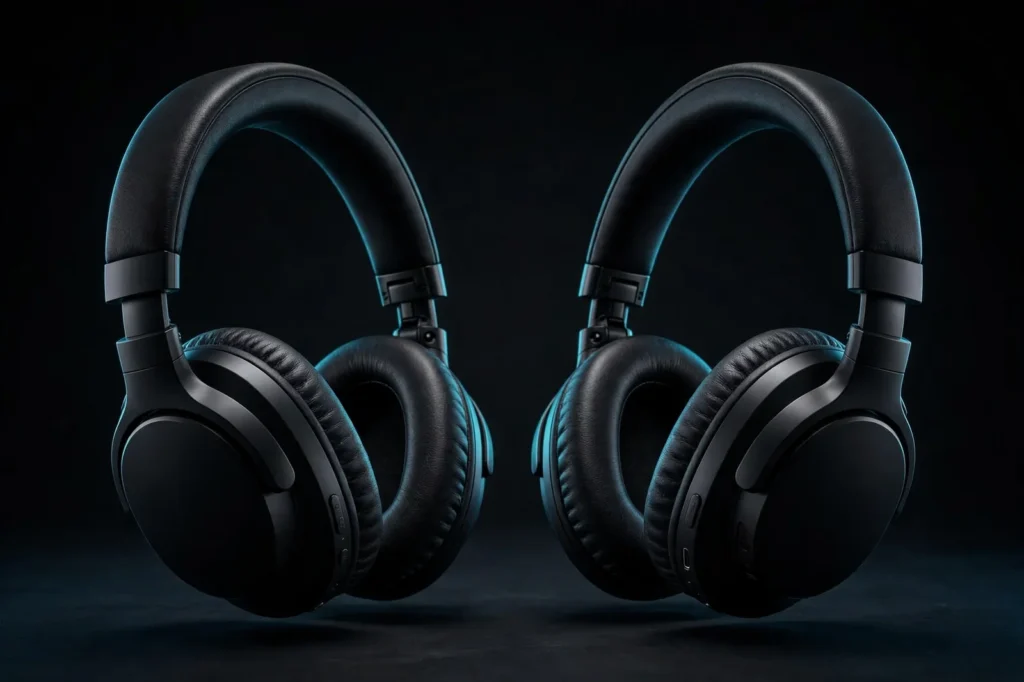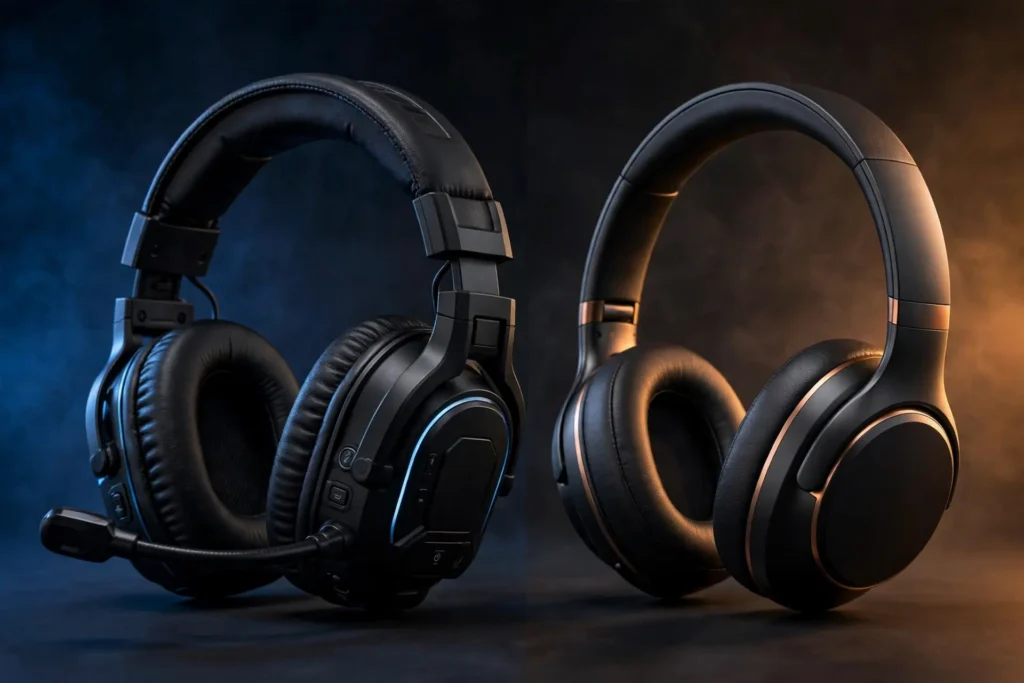
Headset vs headphones: two words people use almost interchangeably, and two products that are built for very different jobs. If you’ve ever wondered whether you should buy a gaming headset or a pair of good headphones for your setup, this guide breaks it all down.
Here’s the SoundMavericks take up front: the difference comes down to one thing — the microphone. A headset is a headphone with a mic built for two-way communication. Headphones are for one-way listening. Everything else — sound tuning, comfort, design, and use cases — flows from that single distinction. Keep reading and you’ll know exactly which one fits your life.
Quick Answer: Headset vs Headphones
If you spend your time on voice calls, online meetings, or multiplayer gaming, buy a headset. The dedicated boom microphone gives you clear voice pickup that headphones simply can’t match.
If music, movies, and podcasts are your main thing, buy headphones. They are engineered from the ground up for listening quality — better drivers, more refined tuning, and active noise cancellation on most premium models.
Still not sure? The full comparison below will settle it.
What Is a Headset?
A headset is a pair of over-ear or on-ear headphones with an integrated or detachable microphone. The mic is the whole point: headsets exist for two-way communication, letting you hear audio and speak at the same time, hands-free.
The classic example is the gaming headset. Models like the HyperX Cloud II pair full-size earcups with a detachable boom microphone, so you can hear game audio and coordinate with teammates without touching anything. Gaming headsets are tuned with an emphasis on bass impact and positional cues like footsteps, which is what competitive play demands.
But gaming isn’t the only headset world. Office and call-center headsets are built for all-day voice calls — many are single-ear designs so you can still hear your surroundings. Aviation and broadcast headsets are another category entirely, built for reliability in noisy professional environments.
What Are Headphones?
Headphones are listening devices — pure and simple. They put speakers over (or in) your ears so you can enjoy music, podcasts, and video sound privately. They are designed around one goal: the best possible audio reproduction.
That focus shows up everywhere. Premium headphones like the Sony WH-1000XM5 invest their engineering budget in driver quality, acoustic tuning, and active noise cancellation that blocks out engine drone and office chatter. The result is a listening experience that pulls you into the recording.
Most modern headphones do include small microphones for phone calls and voice assistants, but these are a convenience feature, not the main event. They sit far from your mouth and pick up more background noise than a headset mic — fine for a quick call, not ideal for hours of meetings or a competitive match.
Headset vs Headphones: Key Differences at a Glance
| Feature | Headset | Headphones |
|---|---|---|
| Microphone | Dedicated boom mic near your mouth; clear voice pickup with noise rejection | Small built-in mics; fine for quick calls, weaker for long conversations |
| Sound quality | Tuned for gaming and voice clarity; strong bass, less refined overall | Tuned for music and media; more accurate, detailed, and balanced sound |
| Noise cancellation | Some models; mic-side noise cancellation is common | Industry-leading ANC on premium models for music listening |
| Comfort | Built for long sessions at a desk; plush earcups, often heavier | Built for travel and all-day wear; lighter, more portable designs |
| Portability | Bulky, gamer-styled; detachable mics help but still large | Folding designs, slim profiles; made for commuting and travel |
| Best use cases | Gaming, video calls, remote work, streaming | Music, podcasts, movies, commuting, travel |
Microphone Quality: Where Headsets Win
This is the matchup that matters most, and it’s not close. A headset microphone sits on a boom arm inches from your mouth. That proximity is everything: your voice comes through loud and clear while background noise — keyboard clatter, room echo, a humming fan — stays relatively quiet.
Many gaming and office headsets add mic-side noise cancellation on top of that, which further isolates your voice. The HyperX Cloud II, for example, uses a detachable noise-cancelling microphone that flips up or removes entirely when you’re not on a call.
Headphones, by contrast, bury tiny microphones in the earcups or on a cable. They’re fine for a short phone call, but on long video calls your colleagues will notice the difference — more room noise, more echo, more “sorry, can you repeat that?”
Our verdict: if your day involves regular voice communication — multiplayer lobbies, Zoom marathons, client calls — a headset is the right tool. Headphone mics are a backup plan, not a primary communication device.
Sound Quality: Where Headphones Win
Flip the script to pure listening and headphones take the lead. Every dollar of a headphone’s engineering budget goes toward one thing: making music sound great. That means higher-quality drivers, more careful acoustic tuning, and enclosures designed around sound reproduction rather than accommodating a microphone.
The gap is most obvious in detail and balance. A well-tuned headphone like the Sony WH-1000XM5 presents instruments with separation and texture — you hear the room around the recording. Gaming headsets, even good ones, tend to push bass and treble for excitement and footsteps, which can make music sound boomy or harsh by comparison.
None of this means headsets sound bad. Modern gaming headsets have genuinely good audio, and for casual music listening between matches they’re perfectly enjoyable. But if music is the main event — your daily commute soundtrack, your focused listening sessions — dedicated headphones give you a noticeably richer experience.
Active noise cancellation is another area where headphones dominate. Premium ANC headphones are built to erase airplane drone and office hum so you can listen at lower, safer volumes. Most headsets offer weaker ANC or none at all, since their design priorities lie elsewhere.
Comfort and Design
Both categories are comfortable when well designed, but they’re optimized for different kinds of wear.
Gaming headsets assume you’re sitting at a desk for hours. They tend to have deep, plush earcups, strong clamping force to stay put during intense moments, and memory foam padding. The tradeoff is weight and bulk — and a look that screams “gamer,” which you may or may not want on a video call with clients.
Headphones assume you’re moving. Flagship models fold flat, swivel earcups for neck rest, and trim weight wherever possible. They look neutral or even stylish, which is why they’re the default choice for commuting, offices, and travel.
One practical note: if you wear glasses, try before you commit. Strong clamping force on some headsets can press frames into your temples over long sessions, while many headphones use lighter clamping that plays nicer with glasses.
Use Cases: Gaming, Music, Calls, and Work
Gaming
Multiplayer gaming is headset territory. You need to hear the game and talk to your team simultaneously, and a boom mic is non-negotiable for clear callouts. A gaming headset like the HyperX Cloud II also gives you 7.1 virtual surround sound, which helps with positional audio — hearing where footsteps are coming from.
Single-player gaming is more flexible. If you’re playing solo story games and never talk, a good pair of headphones will give you richer, more cinematic sound. Many gamers actually own both: a headset for competitive play and headphones for everything else.
Music and Podcasts
Headphones win here, full stop. Whether it’s critical listening on the couch or podcasts on the train, headphones are tuned for this exact job. Their superior ANC also means you hear more of your audio and less of the world around you.
Calls and Remote Work
This is where headsets earn their keep. Hours of video meetings demand a microphone that makes you sound clear and professional. A headset’s boom mic does that far better than headphone mics, and many office headsets are certified for platforms like Zoom and Microsoft Teams. If your job is calls, a headset isn’t optional — it’s equipment.
Commuting and Travel
Headphones dominate. They’re lighter, they fold up, they look normal in public, and their ANC makes flights and trains dramatically more pleasant. Wearing a gaming headset with a boom mic on the subway is technically possible, but you’ll get looks — and most headsets don’t fold down for a bag.
Example Picks: One of Each
HyperX Cloud II — A Benchmark Gaming Headset

The HyperX Cloud II has been a go-to recommendation in the gaming headset world for years, and for good reason. It pairs comfortable memory-foam earcups with a detachable noise-cancelling microphone and 7.1 virtual surround sound, and it works across PC and consoles. If you need a headset primarily for multiplayer gaming and voice chat, this is the classic example of the category done right.
Sony WH-1000XM5 — A Benchmark Listening Headphone

The Sony WH-1000XM5 is the textbook example of what headphones are for: outstanding sound quality, industry-leading noise cancellation, and a lightweight design built for all-day listening. It has built-in mics for calls and voice assistants, but its real purpose is music — this is what you buy when listening comes first and talking is an afterthought.
Headset vs Headphones: Which Should You Buy?
Here’s the SoundMavericks decision framework:
Buy a headset if: you play multiplayer games with voice chat, you spend hours on video calls or remote meetings, you stream or create content with live commentary, or you need a dedicated work communication device.
Buy headphones if: music, podcasts, and movies are your priority, you commute or travel regularly, you want the best noise cancellation available, or you value portability and a discreet look.
Consider both if: you’re a serious gamer who also loves music. Plenty of people keep a headset at the desk for competitive play and a pair of headphones for everything else. There’s no rule that says you can only own one.
And one final consideration: think honestly about how you’ll actually use it. The best-sounding headphone in the world won’t help your teammates hear you, and the clearest boom mic won’t make your commute playlist sound better. Match the tool to the job.
Frequently Asked Questions
What is the difference between a headset and headphones?
A headset is a pair of headphones with a built-in or attached microphone designed for two-way communication. Headphones are audio-only listening devices optimized for music and media playback. The microphone is the defining difference.
Are headsets good for listening to music?
Gaming headsets have improved a lot and can sound quite enjoyable with music, but headphones built for listening usually deliver more accurate, refined sound. If music is your main activity, dedicated headphones are the better choice.
Can you use headphones for gaming?
Yes, headphones work well for single-player gaming where you don’t need to talk. For multiplayer gaming that requires voice chat, a headset with a proper boom microphone gives your teammates much clearer voice pickup.
Do headphones have microphones?
Most modern headphones include small built-in microphones for phone calls and voice assistants, but they sit far from your mouth and pick up more background noise. A headset’s dedicated boom microphone sits close to your mouth and delivers far clearer voice quality.
Which is better for calls and remote work, a headset or headphones?
A headset is the better pick for frequent calls and remote work. The boom microphone gives you clear, consistent voice pickup, and many headsets are built for all-day wear with lightweight frames and plush ear cushions.
Can you wear a gaming headset in public?
You can, but most gaming headsets look bulky and gamer-styled, and the boom mic draws attention. Many models have detachable microphones, which helps — but for commuting or travel, dedicated headphones are far more discreet and portable.
The SoundMavericks Verdict
Headset vs headphones isn’t really a contest — it’s a choice between two tools built for different jobs. Headsets win on communication: the boom mic makes you sound clear on calls and in game lobbies, and that’s a difference you and everyone you talk to will notice immediately. Headphones win on listening: better drivers, better tuning, better noise cancellation, and a design you can actually wear out of the house.
Our advice: start from how you spend your hours. Talk a lot — to teammates, clients, or colleagues? Get a headset. Listen a lot — to music, podcasts, movies? Get headphones. And if you do both seriously, don’t compromise: one of each is the setup that actually covers your life.

I am the founder of Sound Mavericks, where I provide the polite truth about audio equipment. I started this site because consumer electronics reviews are often too technical. Instead of using a silent lab, I test headphones, earbuds, and Bluetooth speakers in the real world – like on a noisy subway or in a busy coffee shop.
To stay independent, I buy my own review units (mostly from the United States) rather than accepting free gifts from brands. Once I finish testing a product, I sell it locally to our community. My goal is to help you understand sound quality, active noise cancellation (ANC), and battery life without the marketing hype.