Most earbud roundups rank one job at a time. A pair wins for music, or wins for calls, and the other half of your day gets whatever is left over. This one ranks both together. Every pick below had to clear two bars: sound quality good enough for daily listening, and a microphone that keeps your voice clear on a work call, a street corner, or a windy platform.
The ranking method, stated plainly: we scored each model on published call-quality tests and microphone comparisons, on sound measurements and reviews from outlets that measure, and on the spec sheet (codecs, mic count, noise reduction, battery). This is a research-based roundup, not a hands-on test. Where a pick is strong on one side and weaker on the other, the text says so.
Best overall: Sony WF-1000XM6. It has the most complete balance here: LDAC hi-res sound with a 10-band EQ, class-leading noise cancelling, and call pickup that finally matches the music side.
Best for iPhone: Apple AirPods Pro 3. Best call clarity: Technics EAH-AZ100. Best budget: EarFun Air Pro 4.
Quick Picks: Best Earbuds for Music and Calls
| Pick | Best for | Sound | Mic | Buy |
|---|---|---|---|---|
| Sony WF-1000XM6 | Best overall | Excellent | Very good | Check Price |
| Apple AirPods Pro 3 | iPhone owners | Very good | Excellent | Check Price |
| Technics EAH-AZ100 | Call clarity | Excellent | Excellent | Check Price |
| Bose QuietComfort Ultra Earbuds (2nd Gen) | Noise cancelling | Very good | Good | Check Price |
| Samsung Galaxy Buds3 Pro | Samsung phones | Very good | Very good | Check Price |
| EarFun Air Pro 4 | Budget | Good | Good | Check Price |
How We Ranked Sound and Mic Quality Together
Two separate systems decide how a pair scores here, and they fail in different ways. Sound quality comes from the driver, the tuning and the codec your phone can actually use: LDAC or aptX on Android, AAC on iPhone. Call quality comes from the microphone array and the noise-reduction processing behind it. A big driver does nothing for your voice, and a six-mic array does nothing for bass.
So each pick carries two judgements. For sound, we weighted measured response and reviewer consensus on tuning. For calls, we weighted recorded call samples and mic tests in noise and wind, because a quiet-room call tells you almost nothing. Battery figures are the manufacturers’ published ratings; real-world results drop with LDAC, high volume and ANC all running. If your day is calls first and music second, our dedicated guide to the best earbuds for talking on the phone ranks mic performance alone. If music is the priority and calls are occasional, the best wireless earbuds for music roundup goes deeper on sound. This page is for the large group in the middle.
1. Sony WF-1000XM6: Best Overall for Music and Calls

Sound. Sony tuned the XM6 with mastering engineers in the room, and it shows in the balance: controlled bass, vocals that sit forward, and no harsh edge at the top. LDAC carries hi-res audio from Android phones, and the 10-band EQ in the Sound Connect app lets you fix the tuning to your taste instead of accepting the factory curve. Noise cancelling, driven by the QN3e processor, is the strongest we have seen in a Sony earbud.
Calls. Voice pickup was the weak point of older Sony earbuds. The XM6 closes most of that gap with AI noise reduction that holds your voice steady against traffic and crowd noise. It is not quite the Technics below for pure call clarity, but the person on the other end will not ask you to repeat yourself.
- Codecs: LDAC, AAC, SBC
- Battery: up to 8 hours per charge, 24 hours total with the case
- Noise cancelling: adaptive ANC, QN3e processor
- Rating: IPX4; case slimmer than the XM5 generation, buds 11% smaller
- Multipoint: yes, two devices
2. Apple AirPods Pro 3: Best for iPhone Owners
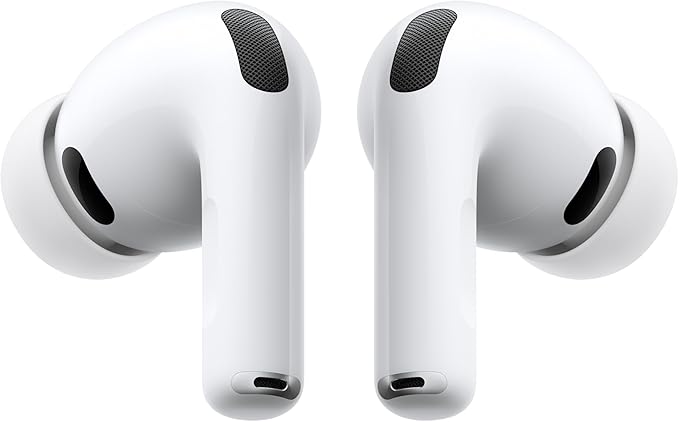
Calls. On an iPhone, this is the pair to beat for calls. Voice Isolation pulls your voice out of background noise before the call app even hears it, and in recorded call tests the Pro 3 stays near the top of the field in wind and street noise. If your workday runs on calls from wherever you happen to be, that processing matters more than any spec.
Sound. Apple widened the soundstage and added bass weight over the Pro 2, and vocals are cleaner. The limit is the codec: AAC only, which is fine on iPhone and a real step down on Android, where these also lose most of their settings and features. Noise cancelling is rated by Apple at twice the Pro 2, and battery runs up to 8 hours with ANC on. Heart-rate sensing and Live Translation are bonuses, not reasons to buy.
- Codecs: AAC, SBC
- Battery: up to 8 hours per charge with ANC on
- Noise cancelling: active, rated 2x the AirPods Pro 2 by Apple
- Rating: IP57 dust and water resistance
- Best paired with: iPhone (features and codec support drop on Android)
3. Technics EAH-AZ100: Best Call Clarity

Calls. The AZ100 is the pair reviewers keep singling out for voice quality, and it earned that in test after test: voices come through full and natural, and the noise reduction keeps working in wind where most earbuds fall apart. Three-device multipoint means it can sit on your laptop and phone at once and still take the call that comes in.
Sound. No compromise on the other side. The 10mm magnetic fluid driver is unusual technology for an earbud and it delivers a precise, natural presentation that put the AZ100 at the top of TechRadar’s wireless earbuds ranking. LDAC support, Dolby Atmos with head tracking, and up to 10 hours per charge (28 total) round out the strongest spec sheet here. If calls pay your bills and music is your hobby, start with this one.
- Codecs: LDAC, AAC, SBC
- Battery: up to 10 hours per charge, 28 hours total
- Noise cancelling: adaptive ANC
- Multipoint: three devices
- Extras: wireless charging, Dolby Atmos with head tracking
4. Bose QuietComfort Ultra Earbuds (2nd Gen): Best Noise Cancelling

Sound. Bose pairs the strongest noise cancelling in this roundup with CustomTune, which measures your ears and calibrates both the ANC and the sound profile to them. The tuning is warm and full, with deep bass that suits pop, hip-hop and electronic music. Quiet surroundings are where this pair earns its keep: on a plane or a loud train, the music keeps detail that other earbuds lose to the noise floor.
Calls. Good, not great. Indoors and in moderate noise your voice is clear. In strong wind the Bose falls behind the Technics and the AirPods, and its 6 hours per charge is the shortest here. Buy it for silence and sound; if half your day is outdoor calls, take the AZ100 instead.
- Codecs: aptX Adaptive (Snapdragon Sound), AAC, SBC
- Battery: up to 6 hours per charge, wireless charging case
- Noise cancelling: class-leading ANC with CustomTune calibration
- Rating: IPX4
- Multipoint: yes, two devices
5. Samsung Galaxy Buds3 Pro: Best for Samsung Phones

Sound. Samsung built a proper 2-way speaker into these: a woofer and a tweeter with dual amplifiers, a design almost no other earbud uses. On a Galaxy phone, Samsung’s SSC codec streams at 24-bit/96kHz and the detail advantage is audible. On other Android phones you fall back to AAC and lose the headline feature, along with 360 Audio and the adaptive EQ extras.
Calls. On Galaxy hardware, call quality is a strength: the mic array and wind handling keep voices clean outdoors, and Samsung’s call processing integrates with Galaxy phones better than any third-party bud. Battery is up to 6 hours per charge with ANC on, 26 hours total, and the IP57 rating is the toughest here. Galaxy owners should shortlist it. Everyone else gets more from the Sony or Technics.
- Codecs: Samsung SSC (24-bit/96kHz, Galaxy only), AAC, SBC
- Battery: up to 6 hours per charge with ANC on, 26 hours total
- Noise cancelling: adaptive ANC
- Rating: IP57
- Driver: 2-way speaker, woofer plus tweeter, dual amplifiers
6. EarFun Air Pro 4: Best Budget Pick for Calls and Music

Sound and calls. The Air Pro 4 covers both jobs at budget money better than anything else we have tracked. aptX Lossless and LDAC cover hi-res on Android, the tuning is warm and easy to listen to, and the 6-mic array with cVc 8.0 noise reduction keeps calls clear in normal indoor and street noise. It will not match the Technics in wind, and its noise cancelling (rated up to 50 dB by EarFun) sits a tier below the Bose and Sony. At this end of the market, those are the right trade-offs.
Battery is the quiet win: up to 52 hours total with the case, in-ear detection, wireless charging, and Bluetooth 5.4 multipoint. If you want one inexpensive pair for the commute, the gym and the morning stand-up call, this is it.
- Codecs: aptX Lossless, LDAC, AAC, SBC
- Battery: up to 52 hours total with the case
- Noise cancelling: adaptive hybrid ANC, rated up to 50 dB by EarFun
- Mics: 6, with cVc 8.0 call noise reduction
- Extras: in-ear detection, wireless charging, multipoint
Side-by-Side: Sound, Calls and Specs
| Product | Codecs | Battery (buds / total) | ANC | IP | Buy |
|---|---|---|---|---|---|
| Sony WF-1000XM6 | LDAC, AAC | 8h / 24h | Adaptive | IPX4 | Check Price |
| Apple AirPods Pro 3 | AAC | 8h / 32h | Active | IP57 | Check Price |
| Technics EAH-AZ100 | LDAC, AAC | 10h / 28h | Adaptive | IPX4 | Check Price |
| Bose QC Ultra Earbuds (2nd Gen) | aptX Adaptive, AAC | 6h / 24h | Class-leading | IPX4 | Check Price |
| Samsung Galaxy Buds3 Pro | SSC (Galaxy), AAC | 6h / 26h | Adaptive | IP57 | Check Price |
| EarFun Air Pro 4 | aptX Lossless, LDAC | 11h / 52h | Hybrid | IPX5 | Check Price |
What Actually Decides Call Quality
Three things, in order. First, microphone placement and count. More mics give the noise-reduction software more to work with, and a mic pointed toward your mouth picks up voice before room noise. Second, wind handling. Wind is turbulence over the mic ports, and it defeats cheap noise reduction fast; the mesh covers and processing on the Technics and AirPods are why they hold up outdoors. Third, the processing itself. Modern flagships run voice-isolation models that separate a voice from background sound in real time, and the gap between brands now lives mostly in that software.
Two smaller points that catch buyers out. Fit decides more of the music side than driver size does: a loose seal leaks bass on every model here, so work through the included tip sizes before judging sound. And multipoint matters for this exact use case. If your laptop and phone both connect, the call that rings is the one you answer, with no re-pairing dance. Every pick above supports multipoint in some form: the Technics connects three devices at once, most of the rest connect two, and the AirPods switch automatically inside Apple’s ecosystem.
Sidetone is worth one line. It is the sound of your own voice fed back into your ears during a call. Too little and you end up shouting in a quiet office. Apple and Technics handle it naturally; on the others, check the app settings if calls feel oddly muffled on your end.
Which Pair Fits Your Day?
One pair for everything, Android phone: Sony WF-1000XM6. One pair for everything, iPhone: AirPods Pro 3. Calls are the job and music is the break: Technics EAH-AZ100. Your listening happens in loud places: Bose QuietComfort Ultra Earbuds. You own a Galaxy phone and want its full feature set: Buds3 Pro. You want both jobs covered without flagship money: EarFun Air Pro 4. If noise cancelling during calls is the specific problem, our guide to noise cancelling earbuds for phone calls separates ANC (for your ears) from mic noise reduction (for theirs), because they are different systems doing different work.
FAQ
What are the best earbuds for music and calls in one pair?
The Sony WF-1000XM6. It pairs LDAC hi-res sound and a 10-band EQ with call pickup that holds up in traffic noise, plus the strongest noise cancelling Sony has put in an earbud. iPhone owners should take the AirPods Pro 3 instead, and anyone whose day is mostly calls should look at the Technics EAH-AZ100.
Which earbuds have the best microphone for phone calls?
The Technics EAH-AZ100 and the AirPods Pro 3 lead this group on microphone quality. The AZ100 keeps voices full and natural in wind; the Pro 3 uses Voice Isolation on iPhone to strip background noise before your voice reaches the call. The EarFun Air Pro 4 is the strongest budget microphone here, with a 6-mic array and cVc 8.0 noise reduction.
Why do earbuds sound good for music but worse during calls?
Bluetooth switches modes. Music streams over a high-bitrate audio profile, but a call moves your voice onto the older hands-free profile with much narrower bandwidth, so your voice reaches the other side compressed. Your music quality and your call quality are set by different hardware: the driver handles music, the microphones and noise-reduction processing handle calls. That is why this roundup scores them separately.
What are the best budget earbuds for calls and music?
The EarFun Air Pro 4. It covers aptX Lossless and LDAC for music, a 6-mic array for calls, hybrid noise cancelling and up to 52 hours of total battery. It gives up ground to the flagship picks in strong wind and in ANC depth, and that is the honest trade at this level.
Are the same earbuds good for calls and music on Android and iPhone?
Mostly, with one catch: codecs. Android phones can use LDAC and aptX, so the Sony, Technics and EarFun picks deliver their best sound there. iPhones use AAC with every earbud, which narrows the sound gap between models, and the AirPods Pro 3 adds iPhone-only call processing and features. Cross-platform buyers lose the least with the Technics AZ100, which pairs LDAC for Android with strong AAC performance and three-device multipoint.
Do I need noise cancelling for phone calls?
It depends which end of the call you mean. ANC quiets the room for you, so you hear the other person better. It does nothing for how you sound to them: that is the microphone array and its noise reduction. For noisy offices, ANC plus a good mic (the Sony XM6 or Technics AZ100) covers both ends.

I am the founder of Sound Mavericks, where I provide the polite truth about audio equipment. I started this site because consumer electronics reviews are often too technical. Instead of using a silent lab, I test headphones, earbuds, and Bluetooth speakers in the real world – like on a noisy subway or in a busy coffee shop.
To stay independent, I buy my own review units (mostly from the United States) rather than accepting free gifts from brands. Once I finish testing a product, I sell it locally to our community. My goal is to help you understand sound quality, active noise cancellation (ANC), and battery life without the marketing hype.