The short answer
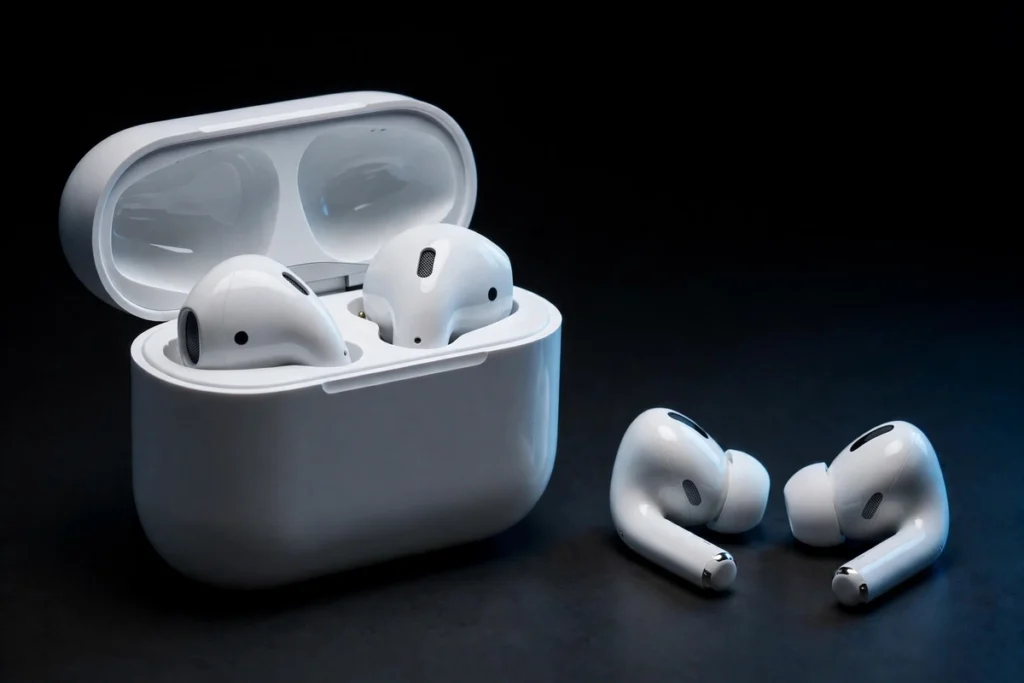
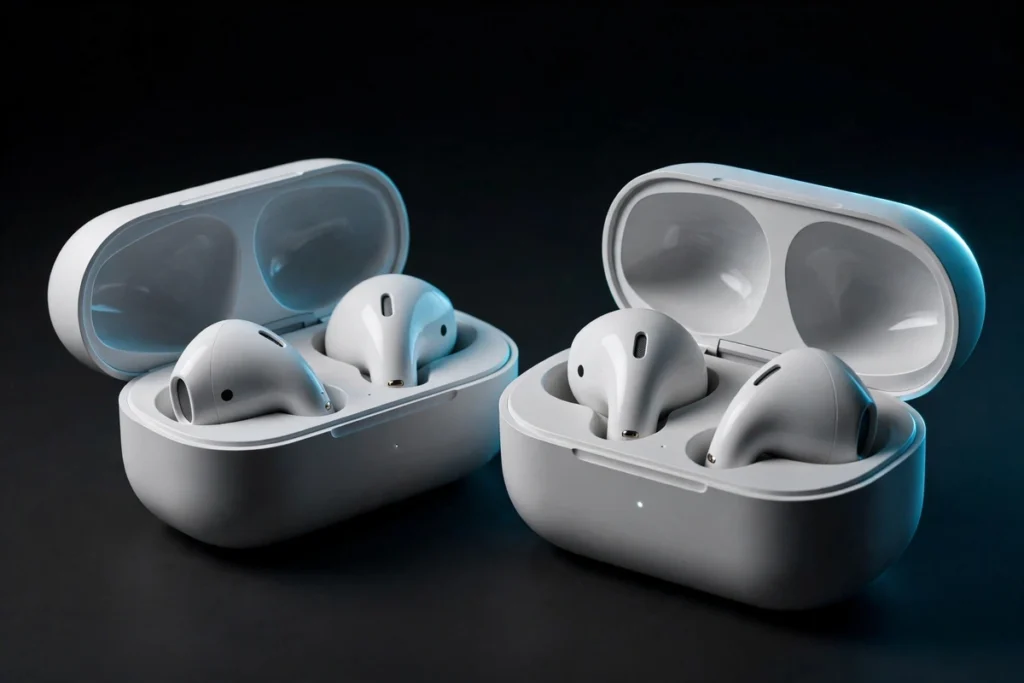
The AirPods Pro 3 vs Sony WF-1000XM6 decision comes down to one question: what phone do you use? If you live inside Apple’s ecosystem, the AirPods Pro 3 integrate with your iPhone, Mac, and Apple Watch in ways Sony simply can’t touch. If sound quality, LDAC hi-res audio, and cross-platform freedom matter most, the Sony WF-1000XM6 is the stronger audio-first pick — and an expert-review aggregator currently scores them almost dead even (88.9 vs 86.8 out of 100 across 38 reviews), with Sony holding a narrow edge.
This is a research-based comparison — we compiled official spec sheets, lab reviews, and head-to-head tests from publications that evaluated both pairs side by side, and every lab figure below is attributed to its source. We don’t claim hands-on testing.
Quick picks
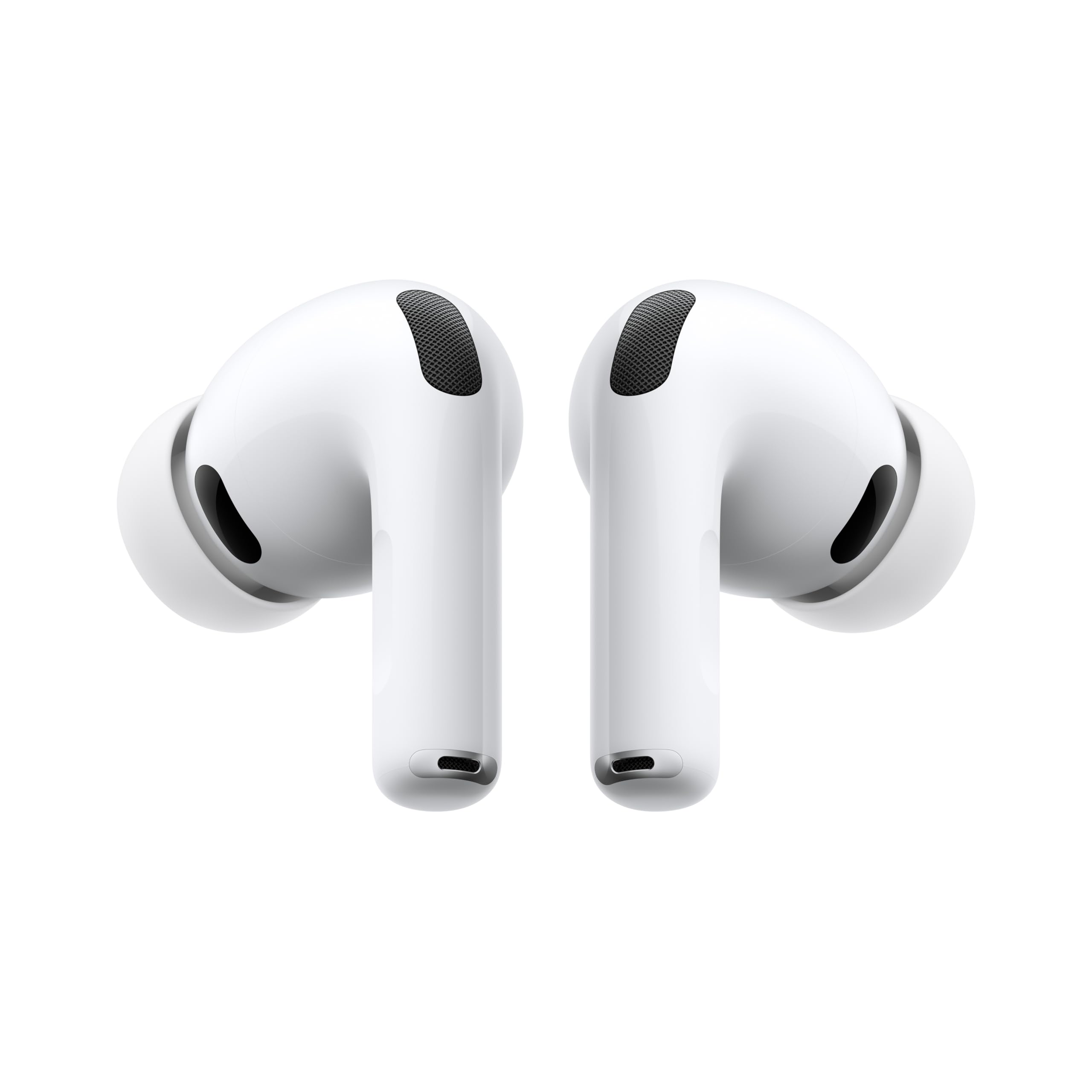
H3 chip, 2x stronger ANC than Pro 2, heart-rate sensing, IP57, deep Apple integration.

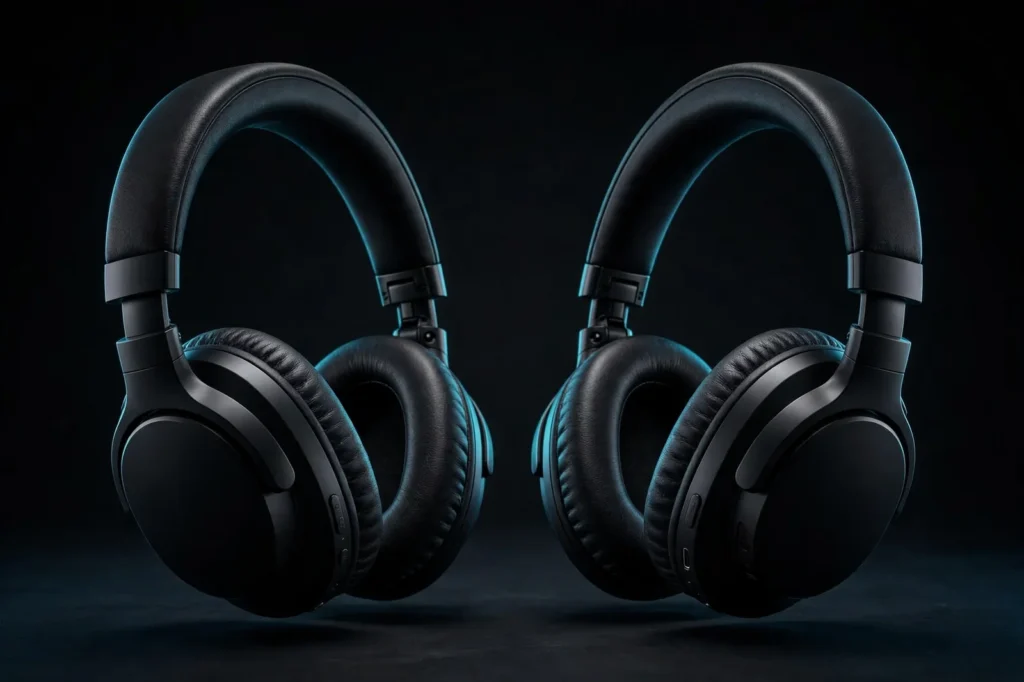
QN3e chip, LDAC hi-res audio, 8-mic array, Auracast, true multipoint, works with everything.
AirPods Pro 3 vs Sony WF-1000XM6: spec comparison
| Spec | Apple AirPods Pro 3 | Sony WF-1000XM6 |
|---|---|---|
| Launch year | September 2025 | February 2026 |
| Driver | Custom Apple driver, multiport acoustic architecture | 8.4 mm Dynamic Driver X (Gen 2), 32-bit processing |
| ANC chip | Apple H3; Apple claims 2x stronger ANC than AirPods Pro 2 | Sony QN3e; 3x faster than the QN2e in the WF-1000XM5, per Sony’s comparison chart |
| Microphones | Dual beamforming mics plus an inward-facing mic per bud | 4 mics per bud (8 total), AI beamforming |
| Battery, buds (ANC on) | Up to 8 hours | Up to 8 hours |
| Battery, total with case | Up to 24 hours | Up to 24 hours |
| Bluetooth | Bluetooth 5.3 | Bluetooth 5.3 |
| Codecs | SBC, AAC | SBC, AAC, LDAC, LC3 |
| Wireless charging | Yes — MagSafe + Qi + USB-C | Yes — Qi + USB-C |
| IP rating | IP57 (buds and case) | IPX4 (buds only) |
| Multipoint | No true multipoint; automatic switching across Apple devices | Yes — two devices simultaneously |
| Call quality | Beamforming mics with Apple’s wind-noise reduction | AI noise reduction + bone conduction sensors; Sony calls it its best call quality yet |
| Special features | Heart-rate sensing, Live Translation, FDA-approved OTC hearing aid feature, spatial audio, Find My tracking for buds and case | LE Audio, Auracast, 360 Reality Audio, DSEE Extreme, 10-band EQ, speak-to-chat, Background Music Effect, head gestures, hands-free Google Gemini |
Category verdicts
Noise cancelling: Sony WF-1000XM6 (narrowly)
Sony’s QN3e processor drives four mics per bud with adaptive ANC that tunes itself to your ear shape and surroundings. Apple’s H3 doubles Pro 2-era cancellation and is excellent, but in head-to-head reviews Sony’s combination of foam tips and deeper processing gives it the edge — TechRadar’s reviewer noted Sony’s fit directly affected her ANC experience, so tip size matters. One thing both agree on: transparency mode goes to Apple, with its Adaptive Transparency consistently rated the best in the business, while Sony counters with adjustable Ambient Sound and its Quick Attention mode that drops the volume the moment you start talking. If you commute or fly, see our best noise-cancelling headphones for travel picks too.
Sound quality: Sony WF-1000XM6
This is Sony’s clearest win. The 8.4 mm Dynamic Driver X uses a two-material diaphragm (rigid dome, soft edge) tuned with input from mastering engineers, plus LDAC hi-res wireless audio and DSEE Extreme upscaling. The Sound Connect app adds a real 10-band EQ, and Android users get 360 Reality Audio spatial playback. AirPods Pro 3 sound excellent with AAC — clean, detailed, and well-balanced with Apple’s computational audio — but Apple gives you no manual EQ and no hi-res codec. In side-by-side listening tests, reviewers describe Sony as richer and more detailed, especially for bass-heavy and hi-res tracks. If codecs matter to you, our Bluetooth audio codecs explained guide breaks down what LDAC actually buys you.
Call quality: Sony WF-1000XM6 (narrowly)
Sony pairs its mic array with AI noise reduction and a bone conduction sensor that detects your voice vibrations through your skull — it calls this its best call quality ever, and reviewers tend to agree. Apple’s beamforming mics with wind-noise reduction are genuinely good on calls. But Sony wins for busy commutes; see best noise-cancelling earbuds for phone calls for more call-focused picks.
Battery life: Tie
Both are rated at up to 8 hours in the buds with ANC on and 24 hours total with the case. Sony adds fast charging (a few minutes for roughly an hour of playback) and Qi wireless charging; Apple’s MagSafe case charges over MagSafe, Qi, or USB-C. In 2026, flagship earbuds have reached battery parity — buy on other factors.
Comfort and fit: Apple AirPods Pro 3
Apple’s buds are lighter (5.55 g vs 6.5 g per bud), slimmer, and ship with five sizes of silicone tips; the IP57-rated case is also smaller and more pocketable. Sony’s stemless design with compressible foam tips isolates better and works well for smaller ears, but several reviewers reported fit struggles that directly hurt ANC performance. Apple also wins on controls: the squeeze-to-click stems work with gloves on, while Sony’s touch controls require bare fingers. For all-day comfort and workouts, Apple’s design is the safer default.
What head-to-head reviewers concluded
TechRadar’s Simon Cohen framed the verdict as an ecosystem question: Android users shouldn’t seriously consider the AirPods Pro 3, and iPhone owners should mostly buy them — unless sound quality is the top priority, in which case the XM6 is “by far the best choice.” An expert-review aggregator lands in the same place numerically, scoring the XM6 at 88.9 and the AirPods Pro 3 at 86.8 out of 100 across 38 reviews. The pattern is consistent across every comparison we read: Sony wins on audio and feature depth, Apple wins on integration and everyday convenience, and neither is a bad pick.
Ecosystem features: depends on your phone
On iPhone, the AirPods Pro 3 win outright: heart-rate data feeds Apple Fitness, Live Translation works in conversation, the case is tracked separately in Find My, and the FDA-approved hearing-aid feature is unique. On Android, flip the verdict: Sony brings LE Audio, Auracast broadcast audio, and full app customization, while Apple’s headline features simply don’t work outside its walled garden.
Which one should you buy?
Get the AirPods Pro 3 if you own an iPhone. Nothing on this page closes the gap created by Apple’s ecosystem integration — automatic switching, Find My, health sensors, and hearing-aid functionality all compound into a product that just fits Apple life. It’s also the lighter, more comfortable, better-sealed (IP57) pair for workouts.
Get the Sony WF-1000XM6 if sound quality is your top priority, you use Android or Windows, or you want LDAC hi-res audio, true multipoint, Auracast, and a customizable 10-band EQ. It’s the best-sounding pair of the two, and the more feature-complete choice outside Apple’s garden. Coming from the older model? Read Sony WF-1000XM6 vs WF-1000XM5 to see if the upgrade is worth it.
By scenario
- Travelers: Sony — stronger ANC for engines and cabins, plus true multipoint for laptop-to-phone switching at the gate.
- Commuters on calls: Sony — its AI + bone-conduction mic system is built for noisy streets and packed trains.
- Gym and running: AirPods Pro 3 — IP57 sealing on buds and case, lighter fit, and glove-friendly squeeze controls.
- Office workers: Sony if you pair with a Windows or Android device (multipoint); AirPods if your whole desk is Apple (auto-switching between Mac, iPad, iPhone).
- Audiophiles with an iPhone: Sony — you keep most features via the Sound Connect app and get LDAC from any Android source plus the best-sounding driver of the two. If you only ever listen on Apple devices, the codec advantage disappears and the AirPods make more sense.
Frequently asked questions
Can I use AirPods Pro 3 with Android?
Yes — they pair as standard Bluetooth earbuds. But you’ll lose Live Translation, heart-rate integration, hearing-aid features, spatial audio with head tracking, and Find My tracking. For Android users, the Sony WF-1000XM6 keeps all of its features, including LDAC, multipoint, and the Sound Connect app.
Which has better noise cancelling, AirPods Pro 3 or Sony WF-1000XM6?
The Sony WF-1000XM6, narrowly. Its QN3e processor with four mics per bud and adaptive ANC edges out Apple’s H3 — but only with a good seal. If the foam tips don’t fit you well, Sony’s advantage shrinks, which is why trying all included tip sizes matters.
Do the Sony WF-1000XM6 support multipoint connection?
Yes — they connect to two devices simultaneously, so you can jump between a laptop call and phone audio without re-pairing. The AirPods Pro 3 don’t offer standard multipoint; instead they automatically switch between signed-in Apple devices.
Do either support LE Audio or Auracast?
The Sony WF-1000XM6 supports both LE Audio (with the LC3 codec) and Auracast broadcast audio. The AirPods Pro 3 support neither.
Which is better for calls?
The Sony WF-1000XM6. Sony’s AI noise-reduction algorithm plus bone conduction sensors isolate your voice from background chatter better than most rivals, and reviewers consistently rate it at the top of the category.
Which is better for the gym?
The AirPods Pro 3, thanks to IP57 dust and water resistance on both the buds and the case. The Sony WF-1000XM6 is only IPX4 (buds only), so it handles sweat but not much more.

I am the founder of Sound Mavericks, where I provide the polite truth about audio equipment. I started this site because consumer electronics reviews are often too technical. Instead of using a silent lab, I test headphones, earbuds, and Bluetooth speakers in the real world – like on a noisy subway or in a busy coffee shop.
To stay independent, I buy my own review units (mostly from the United States) rather than accepting free gifts from brands. Once I finish testing a product, I sell it locally to our community. My goal is to help you understand sound quality, active noise cancellation (ANC), and battery life without the marketing hype.