Sony WH-1000XM4: Our Verdict
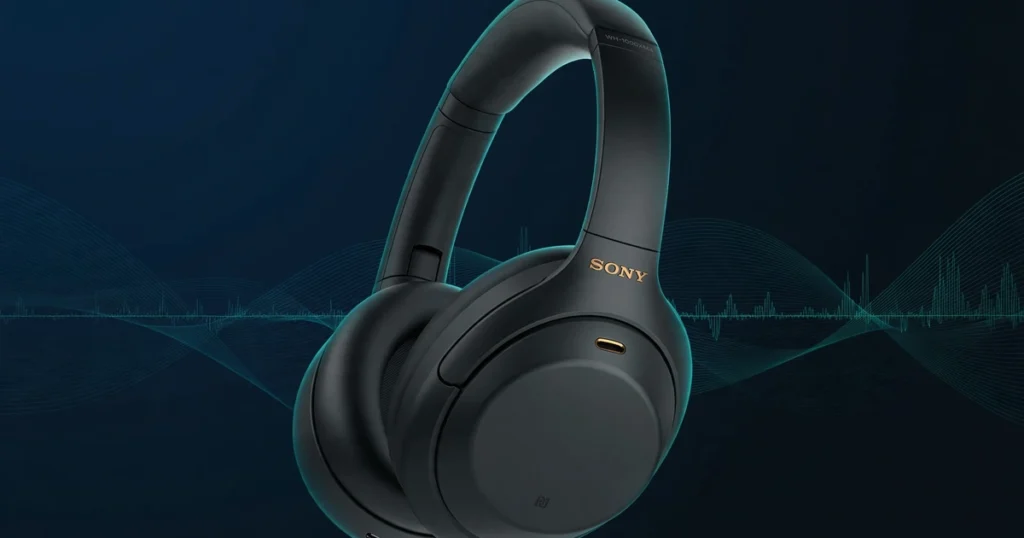
The Sony WH-1000XM4 was the noise-cancelling headphone to beat for years — and our research says it still holds up as a serious buy in 2026, with one big asterisk: it’s a 2020 model that Sony has discontinued, so you’re buying remaining stock, renewed units, or third-party listings. If you can find it in good condition, the XM4 delivers roughly 90% of the modern Sony flagship experience — class-leading noise cancelling, warm detailed sound, 30-hour battery, and smart features like Speak-to-Chat and multipoint — at a price that’s consistently well under current flagships.
The main things newer models do better are call quality (the XM4’s microphones trail the XM5 and XM6 in windy or noisy conditions) and a few refinements you probably won’t miss day to day. For music, travel, and office work, the XM4 remains an easy recommendation — just buy from a listing you trust, which we’ll walk through in the buying guide below.

| Sound Quality | 8.8 |
| Comfort & Design | 8.7 |
| Features | 8.6 |
| Value | 8.2 |
Sony WH-1000XM4: Key Specs
| Driver | 40mm dynamic, Liquid Crystal Polymer diaphragm |
| Noise cancelling | HD Noise Cancelling Processor QN1 + dual noise-sensor mics |
| Bluetooth / codecs | Bluetooth 5.0; SBC, AAC, LDAC |
| Battery life | Up to 30 hours (NC on), up to 38 hours (NC off) |
| Quick charge | 10 minutes = 5 hours of playback (USB-C) |
| Weight | Approx. 254g |
| Microphones | Five built-in mics (Precise Voice Pickup) for calls |
| Standout features | Speak-to-Chat, wear detection, multipoint (2 devices), DSEE Extreme, Adaptive Sound Control |
| Water resistance | No published rating — keep them dry |
| In the box | Carrying case, 3.5mm cable, USB-C cable, airplane adapter |
Sound Quality: Warm, Detailed, and Easy to Tune
The XM4’s sound is the main reason it stayed a bestseller for so long. The 40mm drivers with Liquid Crystal Polymer diaphragms deliver a warm, slightly bass-forward signature that’s friendly to basically every genre — hip-hop hits with real weight, rock guitars stay clear, and vocals sit forward in the mix. Out of the box the sound is tuned for enjoyment rather than neutrality, but the Sony Headphones Connect app’s EQ gives you real control if you want a flatter profile.
What still matters in 2026: LDAC support. The XM4 streams high-resolution wireless audio over LDAC (up to 990 kbps), which keeps it competitive with current flagships on pure sound quality — something many budget ANC headphones still can’t do. If you’re new to codecs, our guide to Bluetooth codecs explains what that actually means for your ears. Note the one codec gap: the XM4 dropped aptX/aptX-HD support, so SBC, AAC, and LDAC are your options. DSEE Extreme uses edge AI to upscale compressed tracks, which helps if your library is mostly streamed rather than lossless.
Noise Cancelling: Still Excellent by Modern Standards
Sony’s HD Noise Cancelling Processor QN1 with dual noise-sensor technology was the benchmark when the XM4 launched, and it remains genuinely excellent — particularly on the low-frequency drone of airplane engines, trains, and office HVAC where ANC matters most. The XM4 also introduced improved high- and mid-frequency reduction over its predecessor, which means it handles voices and chatter noticeably better than the XM3 did.
How does it compare to today’s flagships? The WH-1000XM4C and WH-1000XM6 nudge further ahead, especially on high-frequency detail and adaptive ANC, but the gap is incremental — not the night-and-day leap you’d expect across two generations. For travel and commuting, the XM4 remains overkill in the best sense: planes go quiet, offices fade away, and the Personal NC Optimizer tunes the cancelling to your fit and altitude.
Comfort and Design: The Folding Advantage
At around 254g with soft synthetic-leather ear pads, the XM4 is comfortable for long sessions — this is one of the areas where our research finds the most consistent praise across owners and reviewers. The clamping force is moderate, the earcups swivel and fold flat, and the included case is compact enough to actually fit in a backpack side pocket.
Here’s a genuine design advantage over its own successor: the XM4 folds. The XM5 dropped the folding hinges for a sleeker but bulkier design, so the older XM4 is actually the more travel-friendly headphone. If you fly regularly, that matters. The trade-off is a slightly older look — the XM4 is understated black, silver, or blue — and no water-resistance rating, so these are not gym headphones. For workouts, look at our gym-focused ANC picks instead.
Battery Life: Still a Strength
Thirty hours with noise cancelling on remains excellent even by 2026 standards, and 38 hours with ANC off covers a week of heavy use. Quick charging — 10 minutes for 5 hours of playback over USB-C — is the feature you’ll actually use: plug in while you make coffee and you’re set for the workday. There’s no battery anxiety with the XM4, and wired listening over the included 3.5mm cable works even with the headphones powered off.
Features: Smart Listening That Aged Well
This is where the XM4 proved to be ahead of its time. Speak-to-Chat automatically pauses your music and pipes in ambient sound when you start talking — genuinely useful at the office or when a barista asks for your order. Wear detection (proximity sensor plus accelerometers) pauses playback when you take the headphones off and resumes when you put them back. Multipoint lets you stay connected to two devices at once — phone and laptop, say — and it works reliably; our multipoint explainer covers how the feature works in practice.
Other highlights: Adaptive Sound Control adjusts ambient settings based on your activity and location, 360 Reality Audio adds spatial audio for supported tracks, and the touch controls on the right earcup handle volume, tracks, and voice assistants (Alexa and Google Assistant built in). Quick Attention mode — cupping your right ear — drops the volume instantly when you need to hear something. Five years on, no budget headphone matches this feature list.
Call Quality: The One Real Weakness
We’ll be straight about this: the XM4’s five microphones with Precise Voice Pickup are fine indoors but fall behind current flagships in wind and noisy streets. If calls are a big part of your day, the newer WH-1000XM4C is meaningfully better. For music-first buyers who take the occasional call, the XM4 is perfectly adequate.
XM4 vs XM5 vs XM6: Should You Buy the Older Model?
The short answer: the XM4 is the value pick, the WH-1000XM6 (and its close relative the XM4C) is the performance pick. The XM5 brought a redesigned look, more microphones, and better calls but dropped the folding design; the XM6 is Sony’s current flagship with the latest ANC and call improvements. In sound quality and battery life, the three are closer than the price gaps suggest — you’re mostly paying for incremental ANC, call quality, and newer features as you move up.
Our full breakdown covers the differences in detail: Sony WH-1000XM4C vs XM5 vs XM6. The buying logic is simple: if you find a clean XM4 listing at a good discount, it’s the smartest high-end audio buy for music lovers on a budget. If calls are your life, or you want the longest runway of firmware support, go newer.
Buying Guide: How to Buy a Discontinued Headphone Safely
Sony discontinued the WH-1000XM4, which changes how you shop for it. Here’s what our research says to do:
- Check the seller, not just the listing. The Amazon listing we’ve verified below is the correct model (Black, sold by Sony’s official store when available), but stock is limited and other offers may come from third-party sellers. Check seller ratings and return policies before buying from anyone other than Amazon or Sony directly.
- Consider “renewed” or manufacturer-refurbished units. These are often the most reliable way to get an XM4 in 2026 — tested, cleaned, and backed by a return window. Inspect the ear pads on arrival; replacement pads are cheap and easy to fit if a used pair shows wear.
- Verify the model number. Make sure you’re buying the WH-1000XM4, not the older WH-1000XM3 or a lookalike. The verified Amazon listing below is the exact model.
- Don’t pay flagship prices for it. The XM4’s whole appeal is value — if a listing approaches current-flagship pricing, buy the newer model instead.
- Budget for pads eventually. The ear pads on any five-year-old design can flake with heavy use. It’s normal wear, not a defect, and third-party replacement pads are widely available.
One more note: because the XM4 is discontinued, firmware support will wind down before the current models’. That’s a minor concern for a headphone this mature — the feature set is complete and stable — but worth knowing if you keep headphones for five-plus years.
Pros and Cons
What we like
- Excellent noise cancelling that still competes with current flagships
- Warm, detailed sound with LDAC hi-res wireless support
- 30-hour battery with fast USB-C quick charging
- Folding design — more travel-friendly than the XM5
- Deep feature set: Speak-to-Chat, wear detection, multipoint, DSEE Extreme
- Strong value as a discontinued flagship when found at a good discount
What to know before buying
- Discontinued — limited new stock, mostly renewed and third-party listings
- Call quality lags behind the XM5/XM6 in noisy environments
- No water-resistance rating
- No aptX/aptX-HD codec support
- Touch controls can misfire, and Speak-to-Chat may trigger when you hum along
Frequently Asked Questions
Is the Sony WH-1000XM4 still worth buying in 2026?
Yes, if you can find a clean listing at a discount. The XM4’s noise cancelling, sound quality, battery life, and features remain excellent — it’s roughly 90% of the current Sony flagship experience. Its weaknesses are call quality in noisy environments and limited availability since Sony discontinued it. For music, travel, and office use, it’s still one of the smartest buys in premium headphones.
What is the difference between the WH-1000XM4 and WH-1000XM5 or XM6?
The XM5 (2022) redesigned the look, added microphones, and improved call quality but dropped the folding design. The XM6 (2026) is the current flagship with the latest noise cancelling and call improvements. The XM4 keeps the folding design and matches the newer models closely on sound and battery, so it wins on value. See our full XM4C vs XM5 vs XM6 comparison for details.
Does the WH-1000XM4 support multipoint Bluetooth?
Yes. The XM4 was one of the first Sony flagships with multipoint, and it can stay connected to two Bluetooth devices simultaneously — for example, your phone and laptop — switching between them automatically.
Does the WH-1000XM4 support aptX?
No. Sony dropped aptX and aptX-HD support on the XM4. It supports SBC, AAC, and LDAC. If you have an Android phone, LDAC delivers the best wireless sound quality; iPhone users get AAC.
Can you still buy the WH-1000XM4 new?
It’s getting harder. Sony has discontinued the XM4, so new stock is limited and stock levels fluctuate. Renewed and refurbished units are widely available and often the safest bet — just verify the seller, check the return policy, and make sure the listing is for the WH-1000XM4 specifically.
Is the WH-1000XM4 water resistant?
No. Sony publishes no water-resistance rating for the XM4, so treat them as indoor and travel headphones. Don’t wear them in rain or at the gym — our gym ANC roundup has sweat-proof alternatives.

I am the founder of Sound Mavericks, where I provide the polite truth about audio equipment. I started this site because consumer electronics reviews are often too technical. Instead of using a silent lab, I test headphones, earbuds, and Bluetooth speakers in the real world – like on a noisy subway or in a busy coffee shop.
To stay independent, I buy my own review units (mostly from the United States) rather than accepting free gifts from brands. Once I finish testing a product, I sell it locally to our community. My goal is to help you understand sound quality, active noise cancellation (ANC), and battery life without the marketing hype.