Last updated: October 7, 2026
Why you can trust SoundMavericks
We compared six current models on the same focus-first checklist: ANC strength on steady background noise, comfort for multi-hour wear, transparency quality, multipoint for laptop-plus-phone setups, and ANC-on battery life. Rankings weigh published lab measurements from independent testers like RTINGS and SoundGuys plus manufacturer specifications. We never claim hands-on testing we did not do — everything below is verifiable from lab data and official specs.
For brains that hear everything at once, noise cancelling headphones are one of the highest-leverage study tools you can own. The problem: most buying guides rank for music, not focus. They reward bass and travel features while ignoring what matters for deep work — how completely the ANC erases a coffee-shop murmur, whether the headband still feels fine at hour four, and how fast you can hop between laptop and phone when a lecture call interrupts.
This guide is built around those focus-first criteria. Our top pick is the Sony WH-1000XM6, the strongest all-rounder for 2026. The Bose QuietComfort Ultra Headphones (2nd Gen) takes the ANC-strength crown for the noisiest rooms, and the Sony WH-1000XM4C is the comfort champion for marathon wearers.
Quick Picks: The 3 Best for Studying & ADHD Focus
Sony WH-1000XM6 — Best Overall
Sony’s QN3 chip and 12-microphone array deliver the most complete quiet in this roundup, in a foldable 254g frame built for long sessions.
Bose QuietComfort Ultra Headphones (2nd Gen) — Best Noise Cancelling Strength
CustomTune calibration and class-leading ANC depth make this the pick when the noise around you is genuinely hostile.
Sony WH-1000XM4C — Best for Long-Wear Comfort & Value
The plushest clamp in the roundup, a foldable design, and flagship-adjacent ANC at a friendlier tier.
Best Overall for Studying & ADHD Focus: Sony WH-1000XM6
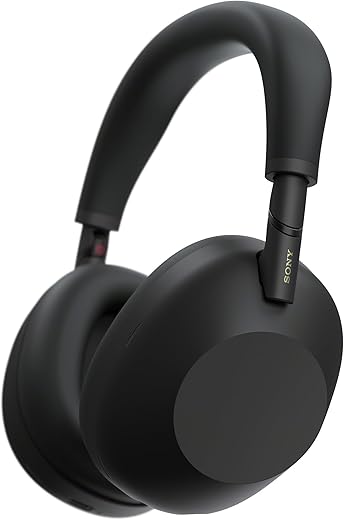
One-line verdict: The most complete silence plus the best long-session ergonomics in a single package — our default recommendation for focus work.
Key specifications
- ANC: QN3 processor with 12-microphone array and Adaptive NC Optimizer
- Drivers: 30mm carbon-fibre composite; LDAC / AAC / SBC / LC3; DSEE Extreme
- Battery: 30h ANC on, 40h off; 3-min charge ≈ 3h playback
- Connectivity: Bluetooth 5.3 multipoint (two devices); 3.5mm wired; works while charging
- Weight & design: 254g; foldable with swivel earcups; case included
- Focus features: Speak-to-Chat auto-pause; Adaptive Sound Control; 20-level Ambient Sound
Reasons to buy
- Strongest overall noise cancellation here — excels on low rumble and midrange chatter
- Speak-to-Chat pauses focus audio the moment you talk; no more ignored roommates
- Foldable with a usable wired mode that keeps working at zero battery
Reasons to avoid
- Flagship tier — the XM4C below gets most of the quiet for less
- No official water-resistance rating; gym sessions belong elsewhere
- Buy if: you want one pair for library, office, and flights with the deepest quiet available in 2026.
- Skip if: budget is tight or you mainly need commuter earbuds — see the XM4C or AirPods Pro 3.
The XM6 wins because focus work punishes compromise, and the XM6 compromises the least. The QN3 processor samples its 12 microphones in real time while the Adaptive NC Optimizer continuously adjusts for fit, glasses, and air pressure — set-and-forget behaviour that matters for ADHD brains, since fiddling with settings mid-session is its own distraction. Comfort matches the ANC: the asymmetrical headband distributes the 254g evenly, deep earcups keep pressure off your ears, and a 3-minute top-up buys roughly 3 hours of playback.
Multipoint keeps laptop and phone connected simultaneously, so an incoming lecture call never means digging through Bluetooth menus. See our Sony WH-1000XM4C vs XM5 vs XM6 comparison if you’re weighing generations: the XM6 is the better buy unless the XM4C’s comfort-first design wins your heart.
| Sound | 9.6 |
| Comfort | 9.4 |
| Features | 9.5 |
| Value | 8.6 |
Best Noise Cancelling Strength: Bose QuietComfort Ultra Headphones (2nd Gen)

One-line verdict: When the room is genuinely hostile — construction, open-plan chaos, dorm hallway parties — Bose’s CustomTune ANC erases the most.
Key specifications
- ANC: CustomTune — plays a calibration tone and tunes cancellation to your ear shape
- Modes: Quiet, Aware (transparency), Immersion (ANC + spatial audio)
- Battery: Up to 30h with ANC on
- Connectivity: Bluetooth 5.4 multipoint; 2.5mm-to-3.5mm cable included
- Weight: Approx. 255g
- App: Bose app with adjustable ANC levels and EQ
Reasons to buy
- Deepest ANC for low-frequency drone — HVAC, airplane cabins, traffic hum
- CustomTune adapts cancellation to your ears, not a one-size-fits-all profile
- Aware Mode transparency sounds natural for conversations between study blocks
Reasons to avoid
- XM6 edges it on smart features (Speak-to-Chat) and codec support (no LDAC)
- 30-hour battery is good but far short of the Momentum 4’s 60 hours
- Buy if: maximum silence is the entire point — noisy dorms, cafés, open offices.
- Skip if: you want the broadest feature set; our Sony WH-1000XM6 vs Bose QuietComfort Ultra 2 head-to-head covers the tradeoffs.
Bose built its reputation on noise cancellation first and everything else second, and the 2nd Gen Ultra Headphones are the clearest expression of that priority. The headline feature is CustomTune: the headphones play a calibration tone, measure how sound behaves inside your specific ear canal, and tune the cancellation curve to it — so ANC doesn’t degrade with an imperfect seal. That’s good news for glasses wearers, who are exactly the people long study sessions punish first. Natural-sounding Aware Mode lets you talk to a study partner without removing the headphones, and Immersion Mode pairs full ANC with spatial audio for a genuine focus cocoon.
The tradeoff against the XM6 is features, not silence: no LDAC, no Speak-to-Chat auto-pause, less granular controls. If raw quiet is what your brain needs to settle, those omissions barely register.
| Sound | 8.9 |
| Comfort | 9.3 |
| Features | 9.0 |
| Value | 8.4 |
Best for Long-Wear Comfort & Value: Sony WH-1000XM4C

One-line verdict: The plushest, most forgiving fit in the roundup — the pair you forget you’re wearing by hour three.
Key specifications
- ANC: Dual Noise Sensor + QN1 processor; Personal NC Optimizer
- Drivers: 40mm; LDAC / AAC / SBC; DSEE Extreme; 10-band custom EQ
- Battery: 27h ANC on, 34h off; 3-min charge ≈ 1h
- Connectivity: Bluetooth 6.0 multipoint; detachable 1.2m 3.5mm cable
- Weight & design: 253g; foldable; case included; Black, Platinum Silver, Lavender
- Focus features: Speak-to-Chat; Ambient Sound Mode; Quick Attention gesture
Reasons to buy
- Softest clamp in our lineup — the pick if headphones usually give you a headache
- Folds flat with a hard case; the most travel-friendly pick here
- Refreshed 2026 tuning with a proper 10-band EQ in the Sony app
Reasons to avoid
- ANC is excellent but a step behind the XM6 and Bose flagship on low rumble
- 27-hour ANC battery is the shortest among the over-ears here
- Buy if: comfort is your limiting factor — marathon sessions, glasses, low clamp tolerance.
- Skip if: you need the deepest ANC or longest battery; look at the XM6 or Momentum 4.
The XM4C is the headphone equivalent of a well-broken-in chair: not the flashiest, but the one you can live in. Sony kept the beloved foldable XM4 silhouette, refreshed the sound tuning, and added a real 10-band equalizer — a meaningful upgrade for anyone who found the old XM4 too bass-heavy for lectures. The comfort story is the headline: deep, soft padding with the gentlest clamp in our lineup, which matters disproportionately for ADHD readers because discomfort is a distraction you can’t mute. The Quick Attention gesture — covering the right earcup to hear the room — is brilliantly fidget-friendly.
On pure ANC depth it sits a half-step below the two flagships above, which is the honest tradeoff — though for most study environments the difference is academic. Read our full Sony WH-1000XM4C review for the deep dive.
| Sound | 8.8 |
| Comfort | 9.2 |
| Features | 8.6 |
| Value | 9.4 |
Best Earbuds for Focus on the Go: Apple AirPods Pro 3

One-line verdict: The strongest earbud ANC you can buy in 2026, in a package that disappears into a pocket — the focus pick for commuters and café hoppers.
Key specifications
- ANC: Apple’s most advanced in-ear cancellation — Apple claims up to 2x vs. AirPods Pro 2
- Battery: 8h listening ANC on; 24h total with MagSafe USB-C case
- Connectivity: Bluetooth 5.3; automatic switching across Apple devices; Audio Sharing
- Fit: Five tip sizes (XXS–L); IP57 dust/sweat/water resistance
- Focus features: Adaptive Audio; Conversation Awareness; Transparency; Live Translation; heart-rate sensing
- Hearing features: Clinical-grade Hearing Aid feature and Hearing Test
Reasons to buy
- Earbud ANC that rivals older over-ears on voices and chatter — the noise that breaks focus
- Conversation Awareness drops volume and opens transparency when you speak — zero friction
- The only pick that fits in a jeans pocket; the pair you’ll actually carry
Reasons to avoid
- Automatic switching shines on Apple devices; Android/Windows get a thinner feature set
- Sealed in-ear fit creates the occluded feeling some sensory-sensitive ears dislike
- No wired option — dead battery means dead silence
- Buy if: you study in motion — commuting, cafés, campus — and want max quiet in minimum bulk.
- Skip if: in-ear seals bother you or you’re outside Apple’s ecosystem; the Bose earbuds below are the agnostic alternative.
Over-ears win the marathon, but focus doesn’t only happen at a desk. The AirPods Pro 3 earn their place because they’re the earbuds people actually have with them — and the third generation meaningfully closed the ANC gap with over-ears, particularly on the mid-frequency voices that derail concentration. Conversation Awareness is the standout: when you start speaking, the buds automatically drop your audio and open transparency, then restore everything when you stop — the frictionless version of the XM6’s Speak-to-Chat, minus the social awkwardness of shouting at a librarian while sealed inside ANC.
The honest caveats: the sealed fit can feel occlusive, and some ears never adjust. Battery is 8 hours per charge with a case top-up at lunch — a full study day, but not a Momentum-style week. If you’re weighing earbuds against each other, our AirPods Pro 3 vs Sony WF-1000XM6 comparison covers the closest rival.
| Sound | 8.9 |
| Comfort | 8.6 |
| Features | 9.2 |
| Value | 8.2 |
Best Battery Life: Sennheiser Momentum 4 Wireless

One-line verdict: A full study week on one charge — the set-and-forget pick for people who hate chargers and love warm, detailed sound.
Key specifications
- Battery: 60h with ANC on — roughly double the flagships
- ANC: Adaptive noise cancellation with Transparency Mode
- Drivers: 42mm; aptX Adaptive / AAC / SBC; Smart Control Plus app EQ
- Connectivity: Bluetooth 5.2 multipoint; 3.5mm and USB-C audio options
- Weight & design: 293g; foldable; fabric headband; travel case included
- Calls: Four beamforming mics with wind-noise suppression
Reasons to buy
- 60-hour battery changes behaviour: charge Sunday, forget it all week
- Warm, detailed Sennheiser tuning that flatters podcasts and audiobooks
- aptX Adaptive for high-quality Android streaming
Reasons to avoid
- ANC is good but not flagship-deep on low rumble
- At 293g it’s the heaviest over-ear here; sensitive necks should try the XM4C
- No wear sensor — won’t auto-pause when you lift an earcup
- Buy if: charging is the chore your executive function keeps losing.
- Skip if: you need maximum ANC depth; the Bose and Sony flagships cancel more.
The Momentum 4’s 60-hour battery isn’t just a spec — it’s a focus feature. Every dead-headphone interruption is a context switch, and context switches are where study sessions go to die. This is the pair you charge when you remember, not when you’re forced to. Sound is the other pillar: warm, articulate Sennheiser tuning from 42mm drivers, with aptX Adaptive giving Android users a hi-res wireless path. Lab tests consistently note the Momentum 4’s frequency response needs less EQ correction than most rivals — close to neutral out of the box, which suits long listening without fatigue.
The honest gap is ANC: adaptive and effective on steady noise, but short of the Sony and Bose flagships’ near-total erasure — and at 293g, it’s the heaviest pick here. The endurance athlete of the roundup: unbeatable stamina, slightly less sprint speed than the champions.
| Sound | 9.3 |
| Comfort | 8.8 |
| Features | 8.4 |
| Value | 8.9 |
Best ANC Earbuds (Non-Apple): Bose QuietComfort Ultra Earbuds (2nd Gen)

One-line verdict: Flagship earbud ANC without the ecosystem lock-in — the pocketable silence pick for Android and Windows users.
Key specifications
- ANC: CustomTune calibration; Quiet and Aware modes; Immersion (spatial + ANC) mode
- Battery: 6h per charge; 24h total with wireless-charging case
- Connectivity: Bluetooth 5.3 multipoint
- Fit: Bose Fit Kit — 3 tip sizes × 3 stability bands; IPX4
- Calls: Noise-rejecting microphones
- App: Bose app with CustomTune, EQ, Immersive Audio controls
Reasons to buy
- Earbud ANC that independent testers rank at the very top of the class
- Fit Kit (tips + stability bands) solves the fit lottery that plagues earbuds
- Full feature set on any platform — no ecosystem lock-in
Reasons to avoid
- 6-hour buds battery is the shortest runtime here; expect a midday case charge
- Bulky charging case next to the AirPods Pro 3
- Same sealed-fit caveat as all in-ears for sensory-sensitive ears
- Buy if: you want top-tier earbud ANC without Apple’s ecosystem.
- Skip if: you’re all-Apple — the AirPods Pro 3’s automatic switching is hard to give up.
These are the earbuds for the reader who looked at the AirPods Pro 3 and thought: great, but I use a Pixel and a Windows laptop. The 2nd Gen QC Ultra Earbuds bring Bose’s CustomTune calibration to in-ear size — the buds measure your ear canal and tune cancellation to it — and independent lab testing places their ANC among the strongest ever measured in true wireless. The Fit Kit is the unsung hero: nine combinations of tips and stability bands solve the fit lottery, and consistent seal means consistent cancellation through long library sessions.
The tradeoff is stamina: 6 hours per charge with 18 more in the wireless-charging case — a full study day with a lunch top-up. For wear-from-breakfast-to-dinner, the over-ears above remain the safer bet.
| Sound | 8.7 |
| Comfort | 8.5 |
| Features | 8.8 |
| Value | 8.0 |
Comparison: All 6 Picks at a Glance
| Product | Sound | Comfort | Value |
|---|---|---|---|
| Sony WH-1000XM6 | 9.6 | 9.4 | 8.6 |
| Bose QuietComfort Ultra Headphones (2nd Gen) | 8.9 | 9.3 | 8.4 |
| Sony WH-1000XM4C | 8.8 | 9.2 | 9.4 |
| Apple AirPods Pro 3 | 8.9 | 8.6 | 8.2 |
| Sennheiser Momentum 4 Wireless | 9.3 | 8.8 | 8.9 |
| Bose QuietComfort Ultra Earbuds (2nd Gen) | 8.7 | 8.5 | 8.0 |
Also Tested: Honorable Mentions
Sony WH-CH720N — At around 192g, the lightest over-ear here with real Sony ANC; a strong pick for smaller heads and glasses wearers, though ANC depth and features trail the flagships.
Anker Soundcore Space Q45 — The budget pick: adaptive ANC, 40+ hour battery, and LDAC support at a fraction of flagship cost. Cancellation is good for the tier but clearly a step behind.
Apple AirPods Max — Superb ANC and natural transparency, but the weight and non-folding design make it a poor all-day study companion next to the XM6.
Shokz OpenRun Pro — Bone conduction with zero ear pressure, worth knowing about if sealed ears or ANC pressure genuinely bother you. It doesn’t block noise, so it’s a different tool, not a substitute.
Buying Guide: How to Choose Headphones for Studying & Focus
Start with the job: blocking vs. focusing
Blocking means turning down a world that’s too loud — construction, dorm parties, open-plan offices. Focusing means creating a stable audio environment your brain can settle into: near-silence for some, a steady wash of sound for others. All six picks handle blocking; for focusing, weigh transparency quality and how the headphones handle steady background audio like brown noise or instrumental playlists.
ANC depth matters more than any other spec
ANC plays an inverted copy of steady background sound — HVAC hum, engine drone, café murmur — and is weakest on sudden sharp sounds like a dropped book. Prioritize models whose published lab measurements show strong cancellation in low and mid frequencies, where rooms are noisiest. That’s why the Sony and Bose flagships lead our rankings.
Comfort is a focus feature, not a luxury
Clamp pressure and weight become distractions by hour three — and a distraction you can’t turn off is the worst kind. Glasses wearers should pay special attention: a tight seal over glasses arms both hurts and leaks ANC. The XM4C’s gentle clamp and Bose’s CustomTune calibration both help. Note that ANC itself creates a faint pressure-like sensation for some people; if you’ve felt it before, try before you buy.
Multipoint and transparency: the friction killers
Multipoint keeps laptop and phone connected simultaneously, switching automatically on incoming calls — every pick here supports it. A good transparency mode matters just as much: full isolation is a superpower until someone needs your attention, and a natural-sounding, quick-toggle Aware mode means no removing headphones every time a roommate speaks.
Battery life — check the ANC-on figure
Always check the ANC-on rating, not the headline number. For study use, 30 hours covers a heavy week; the Momentum 4’s 60 hours means you can genuinely forget the charger exists.
What about budget options?
If the picks above stretch the budget, the Anker Soundcore Space Q45 covers the essentials well at a fraction of flagship cost.
Frequently Asked Questions
Do noise cancelling headphones actually help with ADHD focus?
They help with the environment, not the ADHD itself. By reducing background noise — the café murmur, HVAC hum, hallway chatter that competes for attention — they lower what your brain must filter. Many people with ADHD find a quieter room makes it easier to start and sustain tasks. Treat them as a focus aid alongside strategies like time-blocking, not a treatment.
Are over-ear headphones or earbuds better for studying?
Over-ears win for long sessions: pressure distributes around the ear, batteries run 27–60 hours, and ANC is generally stronger. Earbuds win for portability and for people who dislike headbands. Desk-based studying: over-ears. Campus, cafés, and transit: the AirPods Pro 3 or Bose QC Ultra Earbuds 2nd Gen.
What is the ANC pressure feeling, and is it harmful?
Some people feel faint pressure or fullness with ANC on — like a flight’s descent. It’s a perceptual effect of the cancellation, not real air pressure, and it isn’t harmful. But if it bothers you, it’s a legitimate reason to pick a different model: ANC depth and the pressure sensation don’t always go together.
Should I listen to brown noise or music while studying?
It depends on the task. Steady, lyric-free sound can mask residual background noise and help some people settle into work. For reading and writing, research generally favors minimal distraction; for routine tasks, background audio costs less. Change one variable at a time and notice what holds your attention.
Is multipoint connection important for students?
Yes, if you work across devices. Laptop for lectures plus phone for calls is the standard setup, and multipoint switches automatically on incoming calls instead of forcing a manual Bluetooth dance. All six picks in this guide support it.
Which pick is best if I wear glasses?
The Sony WH-1000XM4C’s soft clamp is the most glasses-friendly here, followed by the Bose QC Ultra Headphones 2nd Gen, whose CustomTune calibration compensates for the seal break glasses arms create. Avoid tight-clamping models and test with your actual frames.
How We Test (Research Methodology)
SoundMavericks doesn’t run a headphone lab — and we won’t pretend otherwise. Our rankings combine three verifiable inputs: published lab measurements from independent testers (RTINGS, SoundGuys) covering noise isolation, frequency response, and battery; manufacturer specifications confirmed against official spec pages; and feature analysis weighted for the use case. For this guide, ANC depth on steady noise, long-wear comfort, transparency quality, multipoint reliability, and ANC-on battery life carry the most weight. Scores reflect focus-and-study priorities, not universal audio quality. We re-verify picks and links on every update.
Changelog
- October 7, 2026: Guide published with six picks: Sony WH-1000XM6 (Best Overall), Bose QuietComfort Ultra Headphones 2nd Gen (Best ANC), Sony WH-1000XM4C (Best Comfort & Value), Apple AirPods Pro 3 (Best Earbuds for Focus), Sennheiser Momentum 4 Wireless (Best Battery), Bose QuietComfort Ultra Earbuds 2nd Gen (Best Non-Apple Earbuds).

I am the founder of Sound Mavericks, where I provide the polite truth about audio equipment. I started this site because consumer electronics reviews are often too technical. Instead of using a silent lab, I test headphones, earbuds, and Bluetooth speakers in the real world – like on a noisy subway or in a busy coffee shop.
To stay independent, I buy my own review units (mostly from the United States) rather than accepting free gifts from brands. Once I finish testing a product, I sell it locally to our community. My goal is to help you understand sound quality, active noise cancellation (ANC), and battery life without the marketing hype.