Ask ten listeners to name the best headphone brands and the same short list comes back: Sony, Bose, Sennheiser and Apple at the top, with JBL, Audio-Technica and beyerdynamic close behind. Rankings like this one are only useful if they say what each brand is actually best at, where it gives ground, and which single model proves the point. So each brand below gets a verdict and one representative product, scored in our database on sound, noise cancelling, calls, comfort, battery and value.
Read it as a map, not a league table. The brands overlap: most sell a flagship that cancels noise, a mid-range all-rounder and a set of earbuds. What differs is the priority. One brand spends its money on silence, another on sound, another on battery or ecosystem. Match the priority to your listening and the right brand usually picks itself. The full model-by-model picture sits in our best headphones roundup.
Sony: the default recommendation
Sony is the brand the rest of the industry measures itself against, because it rarely has a weak product in any category it enters. The WH line defined the modern noise cancelling headphone, the WF earbuds trade the class lead with Bose generation by generation, and LDAC support keeps Android listeners better served than Apple manages. If a friend asks for one brand and refuses follow-up questions, Sony is the safe answer.
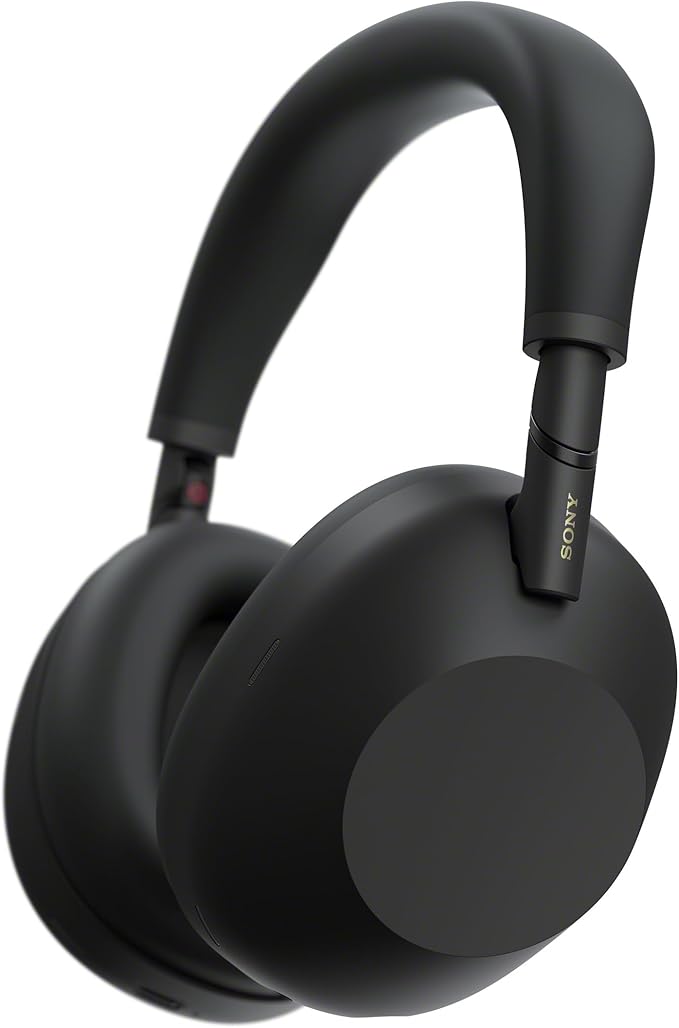
Sony WH-1000XM6 8.9/10
Why you: the flagship that anchors the brand: cancelling at 9.6, sound at 9.2 and an 8.9 overall, the highest all-round score of the seven here.
Trade-off: calls (8.8) and value (8.2) are strong rather than leading, and the plastic build feels less premium than Apple’s metalwork.
Up to 30 h battery with ANC on · LDAC · Multipoint · Folding design
The give-backs are known ones. Build relies on plastic where Apple uses metal, call quality trails the very best, and Sony’s pricing discipline means its flagships are rarely the cheap option in their tier. None of that stops the WH-1000XM6 from being the current default: ANC at 9.6 and sound at 9.2 in one package. The same pattern repeats down the range, where the mid-price models borrow the flagship’s cancelling approach and the earbuds borrow its app and controls, so a buyer who learns one Sony has mostly learned them all.
Bose: silence and comfort first
Bose built its name on noise cancelling and still treats it as the main event. Its QuietComfort line is the one frequent flyers reach for, the fit is tuned for long wear rather than showroom grip, and its Immersive Audio mode gives music a wider stage than most rivals manage. When the brief is a quiet cabin and no headache at the other end, Bose is the brand.
The compromises sit in the spec sheet. There is no LDAC, the app has historically offered less equalizer control than Sony’s, and value scores reflect flagship pricing. Bose buyers accept those trades because comfort at 9.2 and ANC at 9.7 are the two scores that decide long flights, and no brand beats the pair together.

Bose QuietComfort Ultra Headphones (2nd Gen) 9.0/10
Why you: the strongest silence-and-comfort pairing in our database: ANC 9.7, comfort 9.2, calls 9.0 and a 9.0 overall.
Trade-off: value at 8.4 is fair rather than generous, and codec support stops at aptX Adaptive, so high-resolution listeners on Android get less than Sony offers.
Immersive Audio · aptX Adaptive · CustomTune fit calibration · USB-C audio
Sennheiser: the sound-first brand
Sennheiser is the audiophile’s mainstream brand. Decades of studio and hi-fi credibility sit behind the Momentum line, and the tuning shows it: balanced, detailed and patient with good recordings in a way that bass-forward rivals are not. Its wired HD models remain reference points for home listening, and the consumer wireless range borrows that house sound rather than chasing trends.
What Sennheiser does not chase is the cancelling crown. The Momentum 4 scores 8.0 for ANC, a clear step below Bose and Sony, and its design is plainer than either. It answers with the best sound score here (9.4) and a 60-hour battery that scores 9.9, which is why listeners who prioritise music keep choosing it. Our best noise cancelling headphones list shows where it stands when silence is the brief instead.

Sennheiser Momentum 4 Wireless 8.8/10
Why you: the sound benchmark of the seven: 9.4 for sound, a 9.9 battery score and an 8.8 overall.
Trade-off: ANC at 8.0 trails Bose and Sony by a wide margin, and the styling is understated to a fault.
42 mm drivers · Up to 60 h battery · aptX Adaptive · Bluetooth 5.2
Apple: the ecosystem brand
Apple does not compete on spec sheets; it competes on how completely its headphones disappear into an iPhone owner’s day. Pairing is instant, switching between a phone, a laptop and a tablet happens without menus, and the AirPods line turned earbuds into the default headphone for a generation. The Max over-ears add build quality nothing else here matches, milled aluminium against everyone else’s plastic.
The costs are equally clear. Android listeners get a reduced product, the value score of 7.0 is the lowest of these seven, and the Max is heavy, which shows in a 7.6 comfort score. Inside the ecosystem, though, the 9.7 ANC score and the friction-free ownership keep Apple on every version of this list.

Apple AirPods Max 2 8.2/10
Why you: cancelling at 9.7 to match Bose, sound at 8.8, and the smoothest ownership experience available to iPhone users.
Trade-off: value at 7.0 and comfort at 7.6 are the weak scores, and most of the magic switches off outside Apple’s ecosystem.
Up to 20 h battery · USB-C · Transparency mode · Apple device switching
JBL: scale, value and the Harman curve
JBL is the biggest seller on this list by volume, and its strength is range: a credible model at every level from budget buds to a flagship over-ear, all tuned to the Harman target response that most listeners, tested blind, tend to prefer. Its Tour line has closed much of the gap to Sony and Bose, and its sport and budget earbuds are consistently among the strongest in their classes.
The trade is polish. JBL’s app and feature set are a step behind Sony’s, the flagship’s value score of 8.0 reflects how close its price has climbed to the leaders, and the sheer size of the catalogue confuses buyers. The Tour One M3 proves the ceiling is high; the rest of the range is where the value sits.

JBL Tour One M3 8.5/10
Why you: JBL’s flagship over-ear: ANC at 9.3, comfort at 8.6 and an 8.5 overall, with a transmitter case no rival here offers.
Trade-off: value at 8.0, and the finish feels less premium than Bose or Apple at a similar level.
40 mm drivers · Bluetooth 5.3 · LDAC · Smart Tx transmitter · Up to 70 h with ANC off
Audio-Technica: the studio standard
Audio-Technica is the brand inside the recording studios. The M-series wired headphones have been a mixing-room fixture for years because they are honest, durable and easy to drive, and the company has carried that reputation into wireless without chasing fashion. Buyers who record, produce or simply distrust tuned-for-retail sound tend to end up here.
The wireless range gives ground on noise cancelling: the M50xBT2 has no active cancelling at all, and its 3.5 ANC score is passive isolation from a closed-back fit. What it returns is battery (9.2) and a sound score of 8.8 that reflects the studio tuning. Our best headphones under 500 roundup covers its wired siblings alongside the other studio staples.

Audio-Technica ATH-M50xBT2 7.6/10
Why you: the studio icon made wireless: sound at 8.8, battery at 9.2 and the M-series fit and build that studios trust.
Trade-off: no active noise cancelling, and calls at 7.6 are the weakest of the seven here. It is a listening tool first.
45 mm drivers · Up to 50 h battery · Bluetooth 5.0 · Multipoint
beyerdynamic: German engineering, built to last
beyerdynamic is the engineer’s brand. Its studio headphones are made in Germany, sold with spare parts support that outlasts most companies’ product cycles, and voiced for analysis rather than flattery. The DT line is what mastering engineers wear when a mix has to travel. Its consumer wireless push is newer, and the AVENTHO Y carries the same priorities into an on-ear travel format: light, plain and durable.
The mainstream gaps are real. There is no Bose-level cancelling here (7.4), the app ecosystem is thinner, and the brand does not fight on price. Value scores 8.8 anyway, because a headphone built to be repaired tends to outlast two cheaper ones. For buyers tired of disposable electronics, that is the argument.

beyerdynamic AVENTHO Y 8.4/10
Why you: the current consumer flagship: an 8.4 overall with battery at 9.2 and value at 8.8, in a light on-ear frame.
Trade-off: ANC at 7.4 is the weakest active cancelling of the seven, and the on-ear fit will not suit listeners who want full isolation.
On-ear fit · Hybrid ANC · Multipoint · USB-C
The seven brands compared
| Brand (buy this) | Best for | Overall | Amazon |
|---|---|---|---|
| Sony WH-1000XM6 | The safe flagship choice | 8.9 | Check Price |
| Bose QuietComfort Ultra Headphones (2nd Gen) | Silence and comfort | 9.0 | Check Price |
| Sennheiser Momentum 4 Wireless | Sound quality and battery | 8.8 | Check Price |
| Apple AirPods Max 2 | iPhone owners | 8.2 | Check Price |
| JBL Tour One M3 | Flagship features, wide range | 8.5 | Check Price |
| Audio-Technica ATH-M50xBT2 | Studio listening | 7.6 | Check Price |
| beyerdynamic AVENTHO Y | Durability and repair | 8.4 | Check Price |
The table reads as seven different answers to the same question. Sony is the brand with no wrong door. Bose wins the two scores that decide flights. Sennheiser wins sound and battery in the same product, which nobody else here manages. Apple sells an ecosystem, JBL sells range, Audio-Technica sells honesty, and beyerdynamic sells longevity. Pick the priority first and the brand follows.
How to use this list, and who missed the cut
Start with the job, not the logo. Travellers should shortlist Bose and Sony and let comfort decide. Listeners who hear the difference between tunings should start with Sennheiser and work down. iPhone owners who own nothing else on this list will get the most from Apple, and anyone recording or mixing should begin with Audio-Technica or beyerdynamic and accept weaker wireless features as the price of the tuning. JBL is the brand to browse when the budget is set first and the category second, because its range has an honest answer at more levels than any rival here.
Good brands missed this list for defensible reasons. Focal and Grado make superb wired headphones but have no mainstream wireless flagship to carry a section. Bang & Olufsen sells design-led models whose value scores never survive contact with our database. The value specialists below the top tier compete on individual models rather than brand strength, and several appear in our roundups on that basis. A brand earns a place here by being the right answer for a recognisable kind of listener across a whole range, not by having one good product.
Frequently asked questions
Which is the best headphone brand overall?
Sony, by weight of range. Its WH-1000XM6 scores 8.9 overall in our database, its earbuds lead their class, and it makes a strong model at almost every level of the market. Bose beats it for pure noise cancelling and comfort, and Sennheiser beats it for sound, but no rival covers as much ground as well.
Which headphone brand has the best noise cancelling?
Bose and Apple top the scores: the Bose QuietComfort Ultra Headphones (2nd Gen) and the AirPods Max 2 both score 9.7 for ANC in our database, with Sony’s WH-1000XM6 just behind at 9.6. In practice all three silence a cabin; Bose adds the best comfort score of the three at 9.2.
Which headphone brand sounds the best?
Sennheiser, on the consumer side. The Momentum 4 Wireless scores 9.4 for sound, the highest of the seven representative models here, ahead of Sony at 9.2 and Bose at 9.0. For wired studio listening, Audio-Technica and beyerdynamic are the brands professionals reach for, though their wireless flagships score lower overall.
Which headphone brand is best for battery life?
Sennheiser again. The Momentum 4 Wireless is rated for up to 60 hours and holds a 9.9 battery score in our database, the highest here. The beyerdynamic AVENTHO Y follows at 9.2, and the Audio-Technica ATH-M50xBT2 pairs a 9.2 battery score with a rated 50 hours.
Are big headphone brands worth it over budget brands?
For noise cancelling, calls and long-term support, yes: the seven brands here hold the top ANC and call scores in our database, and their apps and spare parts stay supported for years. Budget brands compete hardest on value in wired and entry wireless models, where the gap in sound is smaller than the gap in price.

I am the founder of Sound Mavericks, where I provide the polite truth about audio equipment. I started this site because consumer electronics reviews are often too technical. Instead of using a silent lab, I test headphones, earbuds, and Bluetooth speakers in the real world – like on a noisy subway or in a busy coffee shop.
To stay independent, I buy my own review units (mostly from the United States) rather than accepting free gifts from brands. Once I finish testing a product, I sell it locally to our community. My goal is to help you understand sound quality, active noise cancellation (ANC), and battery life without the marketing hype.