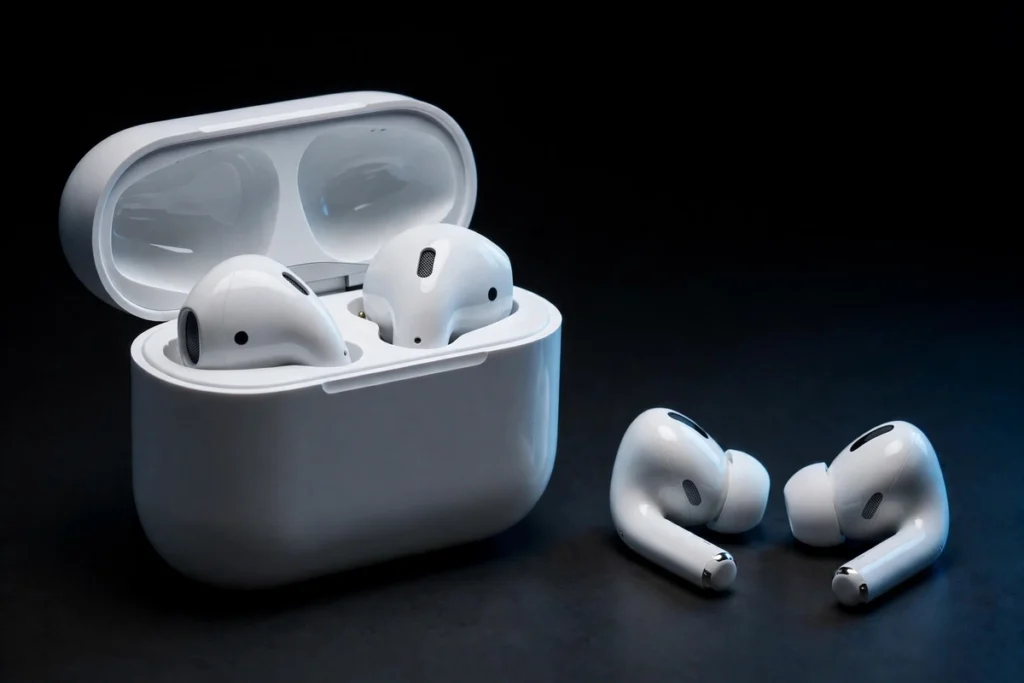
Beats vs Sony headphones is one of the most common audio rivalries in the world — and it goes far beyond any single model matchup. Beats is the Apple-owned style icon built around bold sound and cultural cachet. Sony is the Japanese engineering house behind the industry’s best noise cancelling, the LDAC codec, and some of the most customizable headphones on the market. We’ve broken down both brands across sound, noise cancelling, lineups, ecosystems, and value. The short version: Sony is the better brand for most headphone buyers — stronger ANC, deeper customization, and a lineup at nearly every budget. Beats is the better pick if you live on an iPhone, want bass-forward energy and unmistakable style, or need sport-friendly picks like the Powerbeats line.
Sony’s current flagship over-ear. Class-leading ANC, LDAC hi-res wireless, multipoint pairing, and one of the best companion apps in the business.
Beats’ flagship over-ear. Fully-adaptive ANC, USB-C lossless audio, Personalized Spatial Audio, and the boldest design of the two brands.
Beats vs Sony Headphones: Lineups Compared
Before the fine details, here’s how the two brands’ lineups stack up category by category:
| Category | Beats | Sony |
|---|---|---|
| Flagship ANC over-ear | Beats Studio Pro | Sony WH-1000XM6 |
| New for 2026 | Beats 360 | WH-1000XM6 (carries the 2026 crown) |
| On-ear | Beats Solo 4 | No current on-ear flagship |
| Flagship earbuds | Beats Studio Buds+ | Sony WF-1000XM5 |
| Sport / workout | Powerbeats Pro 2 | No dedicated sport flagship |
| Bass-focused | Signature Beats tuning | Sony ULT WEAR (ULT bass button) |
| Budget-friendly | Beats Solo Buds | Sony WH-CH series |
The pattern is clear: Sony covers nearly every niche, while Beats concentrates on a tighter, lifestyle-driven range. For a model-by-model flagship showdown, see our dedicated Beats Studio Pro vs Sony WH-1000XM4 comparison (flagship matchup analysis). For Sony’s own family tree, our Sony WH-1000XM4C review and the Sony WH-1000XM6 vs Bose QuietComfort Ultra 2 matchup add more depth.
Sound Quality: Fun and Bold vs Refined and Flexible
This is where the two brands’ philosophies split hardest. Beats’ heritage is a V-shaped, bass-forward signature — punchy low end, sparkling highs, slightly recessed mids. Modern Beats have matured (the Studio Pro is far more balanced than the bass cannons of the 2010s), but the tuning still leans toward fun over accuracy, and there’s no serious app EQ to reshape it — you’re mostly living with the stock sound.
Sony takes the opposite approach: a warm, smooth, balanced baseline with genuinely deep customization. The Sound Connect app’s multi-band EQ lets you sculpt the sound toward bass-head territory or audiophile neutrality, and LDAC codec support delivers true hi-res wireless on compatible devices — something no Beats model offers. The net effect: Beats wins on out-of-the-box excitement; Sony wins on versatility and fidelity.
SoundMavericks verdict: Sony takes sound quality. Beats’ default tuning is fun, but Sony’s EQ plus LDAC gives you more ways to get exactly the sound you want.

Noise Cancelling: Sony’s Clearest Win
Across both brands’ lineups, noise cancelling is the least debatable category. Sony’s flagship ANC — driven by its QN-series processors and multi-microphone arrays — is widely considered the industry benchmark, handling low-frequency drone (planes, trains) and irregular noise (voices, typing) with an effectiveness Beats has never quite matched. Features like Adaptive Sound Control and Speak-to-Chat add smarts Beats doesn’t offer.
Beats’ ANC is genuinely good in its current generation — the Studio Pro’s fully-adaptive system handles steady noise like airplane engines and office hum competently — but it operates a tier below Sony’s best, particularly on low rumble and variable environments. Transparency modes are competitive on both sides, though Sony’s adjustable ambient-sound levels give finer control.
If noise cancelling is your primary buying reason — commuting, flying, open offices — Sony is the safer brand bet every time. See our best noise cancelling headphones roundup and best headphones for airplane travel for the full field.
SoundMavericks verdict: Sony, decisively. This is the single biggest brand-level gap between the two.
Bass: Beats’ Home Turf
Bass is the one sonic category where Beats still carries the crown in the popular imagination — and largely earns it. From the original Studio through today’s lineup, Beats tuning emphasizes low-end punch and physicality that makes hip-hop, EDM, and pop feel bigger right out of the box. No EQ fiddling required.
Sony answers two ways: most of its headphones produce tighter, more controlled bass with better texture, and the dedicated ULT line (ULT WEAR) adds a physical bass-boost button for listeners who want club-level rumble on demand. With the EQ in Sony’s app, you can push Sony’s bass to match or exceed Beats — but it takes work, whereas Beats gives it to you instantly.
SoundMavericks verdict: Beats for instant bass gratification; Sony for bass you can dial precisely. Bass-first buyers should also browse our best bass headphones guide.
Apple Ecosystem vs Android Flexibility
This is the brand choice that often decides itself based on your phone. Beats is owned by Apple (acquired in 2014), and the lineup is optimized for it: one-touch pairing, hands-free Siri, Personalized Spatial Audio with head tracking, and Find My support on recent models. Android users get perfectly good Bluetooth audio from Beats — but the magic extras stay on the Apple side, and multipoint pairing is limited to ecosystem auto-switching rather than true two-device multipoint.
Sony is platform-agnostic by design. True multipoint pairing works across any two Bluetooth devices, LDAC hi-res audio shines on Android (iPhones don’t support LDAC), and the Sound Connect app is full-featured on both platforms. Sony even includes 360 Reality Audio support for spatial listening without tying you to an Apple ID.
SoundMavericks verdict: iPhone loyalists get more from Beats; everyone else — especially Android users and multi-device owners — gets more from Sony.

Battery Life, Comfort, and Design
Battery life is a draw at the brand level. Sony’s flagships deliver around 30 hours with ANC on, and the WH-1000XM6 keeps that pace while running its most advanced processing. Beats counters with the Studio Pro’s 40 hours (ANC off) and the Solo 4’s marathon on-ear endurance. Neither brand has a meaningful, consistent edge here — check the specific model’s claims instead.
Comfort and design diverge clearly. Sony prioritizes long-wear comfort: plush earcups, light clamping force, and folding designs built for all-day use. Beats prioritizes presence: bolder silhouettes, stronger colorways, and a fashion-first look that’s part of the brand’s identity. Both fold for travel, though Sony’s collapsible designs generally pack smaller.
Value: Sony’s Deeper Bench Wins
Beats concentrates on the mid-to-premium tiers with a small lineup and rarely discounts deeply outside sales events. Sony fields a full ladder: budget WH-CH models for casual listeners, the ULT WEAR for bass fans, previous-generation flagships (XM5, XM4) that become outstanding value buys once superseded, and the current flagship for those who want the best. That depth means there’s almost always a Sony at your budget that punches above it.
SoundMavericks verdict: Sony wins value. A wider range plus aging-flagship discounts gives Sony a price-to-performance story Beats can’t match.
Beats vs Sony Headphones: Final Verdict
Buy Sony if noise cancelling, sound customization, platform flexibility, or value top your list — it’s the stronger brand for commuters, frequent flyers, Android users, and anyone who wants their headphones to do more. Buy Beats if you’re deep in the Apple ecosystem, want bold bass and bolder style out of the box, or need a sport-ready pick from the Powerbeats line. For more brand-level context, our Bose vs Beats comparison and best Beats headphones roundup cover Beats from more angles.
Beats vs Sony Headphones: FAQs
Are Beats made by Sony?
No — a common misconception. Beats is a subsidiary of Apple Inc., which acquired it in 2014. Sony is a separate, independent Japanese multinational. The two companies compete directly with different engineering teams and design philosophies.
Which brand has better noise cancelling, Beats or Sony?
Sony. Its flagship ANC systems are widely regarded as the industry benchmark, outperforming Beats on low-frequency drone and variable noise, with smarter features like adaptive sound control and Speak-to-Chat.
Are Beats better than Sony for bass?
For instant, out-of-the-box bass punch, Beats usually wins — its signature tuning emphasizes low-end energy. Sony’s bass is tighter and more controlled, but the Sound Connect app EQ (and the ULT line’s bass-boost button) can match or exceed Beats once dialed in.
Are Beats better for iPhone users?
Yes. Beats’ Apple ownership shows in iPhone-exclusive perks like Personalized Spatial Audio, one-touch pairing, hands-free Siri, and Find My support. Android users get standard Bluetooth performance without the ecosystem extras.
Which brand is better value, Beats or Sony?
Sony. Its lineup spans budget models to flagships, and previous-generation Sony flagships routinely become excellent value buys. Beats keeps a tighter, premium-focused range with fewer budget options.
Beats Studio Pro vs Sony WH-1000XM4 — which flagship matchup should I read?
That’s a specific model-level comparison rather than a brand question — see our dedicated Beats Studio Pro vs Sony WH-1000XM4 breakdown for the head-to-head details.

I am the founder of Sound Mavericks, where I provide the polite truth about audio equipment. I started this site because consumer electronics reviews are often too technical. Instead of using a silent lab, I test headphones, earbuds, and Bluetooth speakers in the real world – like on a noisy subway or in a busy coffee shop.
To stay independent, I buy my own review units (mostly from the United States) rather than accepting free gifts from brands. Once I finish testing a product, I sell it locally to our community. My goal is to help you understand sound quality, active noise cancellation (ANC), and battery life without the marketing hype.