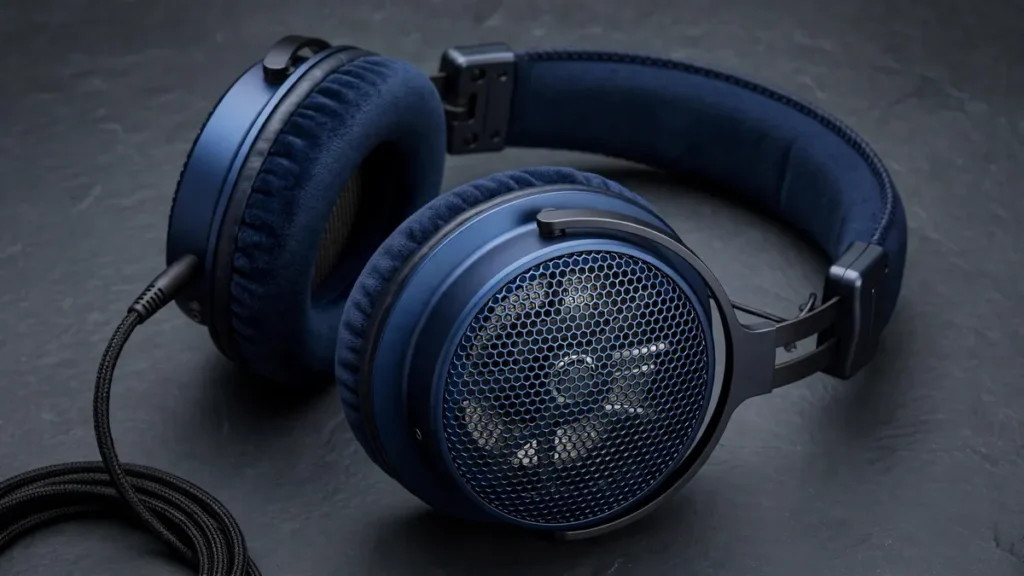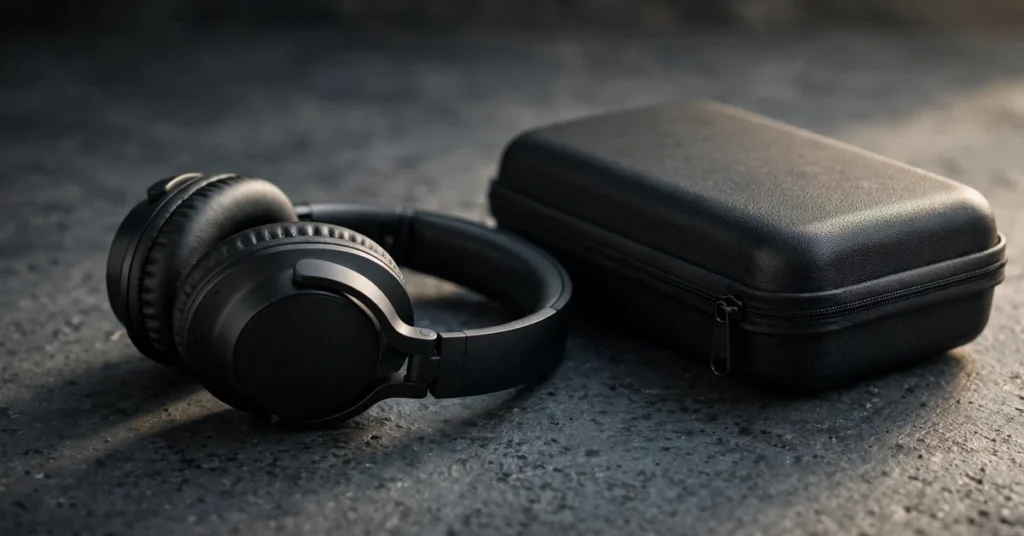
The bottom line: The Bose QuietComfort 25 is the wired noise-cancelling headphone that defined the category. Launched in 2014 and discontinued years ago, it remains one of the most comfortable travel headphones ever made, with noise cancellation that still holds up against many modern models. The trade-offs are fixed in time: no Bluetooth, a single AAA battery instead of rechargeable power, and stock that now exists only as leftover and renewed units on the resale market. If you want wired simplicity and elite comfort, it’s a classic worth considering — if you can find a good pair.

Availability note (October 2026): Bose discontinued the QuietComfort 25 long ago — it was succeeded by the QC35 and everything after. New units are no longer manufactured. The listing we verified shows limited remaining stock, so expect third-party sellers and renewed units rather than fresh retail inventory. Check the listing’s seller and condition carefully before buying, and compare a couple of listings rather than assuming the first one you see is the best deal.
| Noise Cancelling | 9.3 |
| Sound Quality | 8.3 |
| Comfort & Design | 9.0 |
| Battery & Connectivity | 7.8 |
| Value | 8.4 |
Our scores are editorial judgments based on published specifications, feature analysis, and the broad consensus of professional reviews — not hands-on lab measurements. They reflect how the product stands on its own merits in 2026.
Bose QuietComfort 25 — Key Specifications
| Spec | Detail |
|---|---|
| Type | Closed-back, over-ear (circumaural) |
| Noise cancelling | Active noise reduction with Active EQ |
| Driver technology | TriPort acoustic architecture |
| Connectivity | Wired only — detachable 3.5 mm cable (56 in / 1.42 m) |
| Inline controls | Mic + remote on cable; versions for Apple or Samsung/Android devices |
| Battery | 1 x AAA alkaline (powers noise cancelling); up to 35 hours per Bose |
| Works without battery | Yes — plays passively with noise cancelling off |
| Weight | 6.9 oz (195 g) without cable |
| Dimensions | 7.5 in H x 6 in W x 0.9 in D |
| Foldable | Yes — earcups rotate flat, headband folds; hard carry case included |
| Ear cushions | User-replaceable protein-leather pads |
| In the box | Headphones, audio cable, airline adapter, AAA battery, carry case, owner’s guide |
Noise Cancellation: Still the Benchmark’s Ancestor
This is why the QC25 matters. Bose essentially invented the consumer noise-cancelling headphone, and the QuietComfort 25’s active noise reduction was the reference point for an entire generation of travel headphones. Our assessment: its low-frequency cancellation — the airplane-engine drone, the office HVAC hum, the train rumble — remains genuinely excellent even by 2026 standards. Constant, predictable noise is where this technology shines, and the QC25 was tuned precisely for that.
The active EQ works in tandem with the noise cancelling to keep the sound signature consistent as the cabin noise floor changes, which is why the QC25 sounds essentially the same at cruising altitude as it does at your desk. There is no adjustable ANC level and no transparency mode — features that didn’t exist in this form when the QC25 was designed — so what you get is one superbly tuned noise-cancelling profile, on or off. The passive seal of the ear cushions adds a meaningful extra layer of isolation on top.
Sound Quality: Balanced, Not Bass-Heavy
The QC25’s sound signature is classic Bose: smooth, balanced, and deliberately inoffensive rather than exciting. The TriPort acoustic architecture delivers deep, controlled bass without the bloated low end that plagues many consumer headphones, clean mids that flatter vocals and podcasts, and crisp — never harsh — highs. It’s a tuning built for long listening sessions, and it succeeds: fatigue is essentially a non-issue.
Our honest take: pure audiophiles will find the sound polite rather than thrilling. The detail retrieval and soundstage don’t match what dedicated wired headphones at this level deliver for critical listening. But for travel, commuting, and office use — the jobs this headphone was built for — the balanced tuning is arguably the right call. Music sounds good with the noise cancelling both on and off, though Bose’s own documentation notes that audio quality is best with the power switched on.
Comfort, Build & Design
At 6.9 ounces, the QC25 is one of the lightest full-size headphones ever made, and it shows. The clamping force is gentle without feeling loose, the ear cushions seal well without cooking your ears, and the padded headband distributes weight evenly. This is a headphone you can genuinely wear for an entire transatlantic flight — comfort is its second superpower after noise cancellation, and it’s the reason so many QC25 owners kept theirs for the better part of a decade.
Build quality is solid if unglamorous: sturdy plastics with metal reinforcement in the earcup shells, a clever folding mechanism that collapses the headphones into a compact bundle, and user-replaceable ear cushions — a practical touch that extends the life of any used or renewed pair you pick up today. It won’t turn heads next to modern flagships, but nothing about the design feels fragile.
Battery, Connectivity & Controls
The QC25 runs on a single AAA battery that powers the noise cancelling — up to 35 hours per Bose, and because it’s a standard alkaline cell, a dead battery mid-flight is solved by the nearest airport shop rather than a charging cable. That’s a genuine travel advantage no rechargeable model can match. And unlike earlier Bose generations, the QC25 keeps playing music even after the battery dies — you just lose the noise cancelling.
Connectivity is wired-only: a detachable 3.5 mm cable with an inline microphone and remote. Two cable variants were sold — one tuned for Apple devices, one for Samsung/Android — so check which version a listing includes, since full remote functionality depends on the match. The headphone itself works with anything that has a headphone jack, and the included airline adapter covers dual-jack in-flight entertainment systems.
What’s in the Box
Bose shipped the QC25 as a complete travel kit: the headphones, the detachable audio cable with inline mic/remote, a dual-plug airline adapter, a AAA battery to get you started, a hard-sided carry case, and the owner’s guide. When buying used or renewed in 2026, verify against this list — missing cables and cases are the most common gaps in second-hand listings, and replacement parts are getting harder to source.
Should You Buy the QuietComfort 25 in 2026?
Buy it if: you want a wired, fuss-free noise-cancelling headphone for travel; you value all-day comfort above all else; you like the idea of a swappable AAA battery instead of charging; or you’re buying a backup pair for flights and want proven reliability.
Skip it if: you need Bluetooth, multipoint pairing, or a companion app; you want modern features like transparency mode or adjustable ANC; or you’re uncomfortable buying discontinued stock, where warranty support is limited and every unit is aging.
Our verdict stands: as a piece of headphone history, the QC25 earned its reputation honestly — the noise cancelling and comfort combination is still legitimately good. Just go in with eyes open about what a decade-old, discontinued product means for availability and support.
QC25 vs Modern Noise-Cancelling Headphones
How does a 2014 wired headphone stack up against today’s wireless flagships? On pure noise cancellation, better than you’d expect — the QC25’s low-frequency reduction is still in the same league as current mid-range models, because the physics of cancelling engine drone hasn’t fundamentally changed. Where it loses is everywhere around the ANC: no Bluetooth means no wireless freedom, no multipoint, no app EQ, no wear detection, and no transparency mode for hearing announcements.
Sound quality tells a similar story. Modern flagships from Bose and Sony extract more detail and offer customizable tuning, but the gap is smaller than a decade of marketing suggests — the QC25’s balanced signature remains pleasant and fatigue-free. The one place the QC25 arguably wins outright is battery logistics: no modern rechargeable headphone can match the “swap a AAA and keep going” convenience on a long travel day. Our bottom line on the comparison: if you want a simple, wired, distraction-free listening tool, the QC25 holds its own. If you want a feature-rich daily driver, buy modern.
Frequently Asked Questions
Is the Bose QuietComfort 25 discontinued?
Yes. Bose discontinued the QuietComfort 25 years ago, replacing it with the wireless QC35 and subsequent models. It is no longer manufactured, so available units come from remaining third-party stock, used listings, or certified renewed programs.
Does the Bose QuietComfort 25 have Bluetooth?
No. The QC25 is a wired-only headphone with a detachable 3.5 mm cable. If you want wireless Bose noise cancelling, the QC35 was its direct successor — though that model is itself now discontinued in favor of newer generations.
How long does the QC25 battery last?
Bose rates the single AAA battery at up to 35 hours of noise-cancelling use. Because it uses a standard alkaline battery, you can swap in a fresh one anywhere rather than waiting on a charger.
Can you use the QC25 without the battery?
Yes. Unlike earlier Bose models, the QC25 continues to play audio when the AAA battery is dead or removed — you simply lose the active noise cancelling while the power is off.
What’s the difference between the Apple and Android versions?
The headphones are identical; only the inline remote cable differs, with one version tuned for Apple devices and one for Samsung/Android devices. Audio playback works with any device that has a 3.5 mm jack — only the remote and mic functions are version-dependent.
Are the QC25 ear pads replaceable?
Yes, the ear cushions are user-replaceable, which is a real advantage when buying a used or renewed pair. Worn pads are the most common issue on older units, and fresh cushions restore both comfort and the passive noise seal.

I am the founder of Sound Mavericks, where I provide the polite truth about audio equipment. I started this site because consumer electronics reviews are often too technical. Instead of using a silent lab, I test headphones, earbuds, and Bluetooth speakers in the real world – like on a noisy subway or in a busy coffee shop.
To stay independent, I buy my own review units (mostly from the United States) rather than accepting free gifts from brands. Once I finish testing a product, I sell it locally to our community. My goal is to help you understand sound quality, active noise cancellation (ANC), and battery life without the marketing hype.