
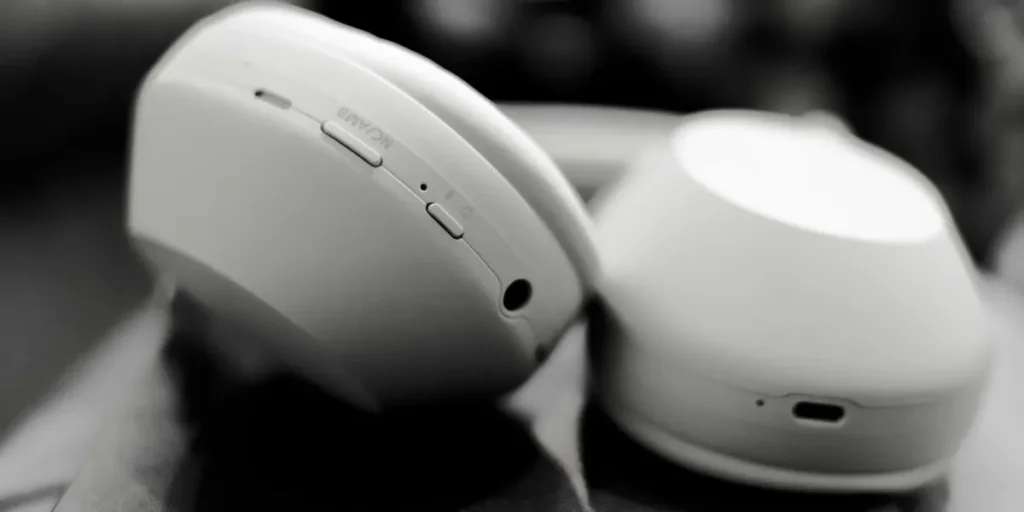
You just spent a lot of money on a new pair of headphones. You put them on, play your favorite song, and… they sound okay. They are fine, but they are not amazing. You expected a huge change, but it feels like something is missing.
Most people think that if they spend more money, the sound gets better automatically. That is not always true. High-quality audio is not something you just buy; it is something you set up. Right now, you are probably only hearing about 60% of what your headphones can do.
In this guide, we will look at how to fix your audio from the file you play to the way the cushions sit on your head. You do not need a degree in science to do this. You just need to follow a few simple steps.
The Verdict: Don’t Buy New Gear Yet
Before you go back to the store, you need to follow the 80-Hour Rule. When you get new headphones, the parts inside are very stiff. Think of them like a new pair of leather shoes. They are uncomfortable at first, but they get softer and better as you wear them.
Inside your headphones, there is a small part called a driver. This driver moves back and forth very fast to create sound. When it is brand new, it cannot move as freely as it should. Give your headphones at least 80 hours of playing time before you decide if you like them or not.
You also need to do a Source-to-Seal audit. This means checking everything from the app you use to how the headphones fit your face. If the music file is bad, or if the headphones are loose on your head, even $1,000 headphones will sound like cheap toys.
The Science of The Seal and Mechanical Compliance
The Diaphragm Break-In
As we mentioned, the ‘driver’ is the heart of your headphones. It is a thin piece of material that vibrates. When it comes out of the factory, the material is tight. If you play music at a medium volume for a few days, the material becomes more flexible.
This process is often called burn-in. While some people think this is a myth, it is actually about mechanical engineering. A more flexible driver can produce deeper bass and smoother high notes because it does not have to fight against its own stiffness.
The Pressure Chamber
Your headphones work by moving air. To hear the best bass, that air needs to stay trapped between the headphone and your ear. This is called a seal. If you wear glasses, the thin arms of the glasses can lift the headphone cushion just a tiny bit.
Even a one-millimeter gap can cause you to lose almost all your sub-bass. This makes the music sound thin and “tinny.” If you want the best sound, make sure the cushions are touching your skin all the way around your ear. If you have long hair, try to move it out of the way so the seal is perfect.
Digital Chokepoints: Why Your Device is Lying to You
Bitrate vs. Bit-Depth
Most people use Spotify or YouTube to listen to music. By default, these apps often use low-quality settings to save data. If you are using “Normal” quality, the app is cutting out small details in the music to make the file smaller.
Think of it like a photo that is blurry. You can tell what is in the photo, but you cannot see the small details. High-resolution audio keeps those details. You should go into your app settings and change the quality to “Very High” or “Lossless.” This simple change can make the music feel much wider and more real.
The Bluetooth Tax
Bluetooth is very convenient, but it has a problem. It has to “shrink” the music to send it through the air. This is done using something called a codec. Most cheap devices use a codec called SBC, which is not very good.
If you have an Android phone, you can often use LDAC or aptX HD. These are much better ways to send music through the air. They allow more data to pass through, which means the music sounds much closer to a wired connection. Without these, your expensive headphones are being “choked” by a slow connection.
Internal Noise Floors
Your phone and laptop are full of electronic parts like batteries, screens, and Wi-Fi chips. All these parts create electronic noise. Because the headphone jack is so close to these parts, you can often hear a tiny “hiss” or “hum” in the background.
This is called the noise floor. When you have a high noise floor, it covers up the quiet parts of your music. You might not notice the hiss, but your brain does. This makes the music feel “dirty” and less clear.
The Risks of Dirty Audio
Auditory Fatigue
Have you ever noticed that your ears feel tired or sore after listening to music for only 30 minutes? This is called listener fatigue. It happens when your brain has to work too hard to understand the sound.
If your audio has a lot of distortion or messy high notes, your brain tries to fix the sound for you. This is very tiring. Good quality audio should feel relaxing and easy to hear. If you feel a headache coming on, it is likely because your audio quality is low.
Spatial Blurring
When sound quality is poor, you lose the ability to tell where instruments are. In a good recording, you should feel like the singer is in the middle, the drums are in the back, and the guitar is to the side.
Poor quality audio blurs everything together into a flat line. This makes the music feel boring and two-dimensional. You lose the “feeling” of being in the room with the band.
Volume Creep
This is the most dangerous risk. When the music is not clear, our first instinct is to turn up the volume. We think that if it is louder, we will be able to hear the details better.
However, if the quality is bad, turning it up just makes the mess louder. This can lead to permanent hearing damage. If you improve the quality of the sound, you will find that you can listen at lower volumes and still hear every single note clearly.
The Maverick Workarounds (Zero-Dollar Fixes)
The Reductive EQ Method
Most people use an “Equalizer” (EQ) to turn up the bass. This is usually a mistake. When you turn up the bass, it often makes the music sound muddy and covers up the singer’s voice.
Instead, try Reductive EQ. This means turning down the bad parts. If the music sounds messy, try turning down the frequencies between 200Hz and 400Hz. This “cleans” the sound without stressing the speakers. It makes everything sound tighter and more professional.
Android Developer Hacks
If you use an Android phone, you can find hidden settings. Go to Settings, then About Phone, and tap Build Number seven times. Now you have Developer Options.
Inside this menu, you can manually choose your Bluetooth Codec. Force your phone to use LDAC if your headphones support it. You can also set the “Playback Quality” to “Optimized for Audio Quality.” This forces the phone to send the best possible signal at all times.
The Quiet Room Effect
Many modern headphones have Active Noise Cancellation (ANC). This is great for airplanes, but it actually makes the music sound worse. ANC works by creating a “counter-sound” to block outside noise.
This counter-sound can interfere with your music, making the bass sound less natural. If you are in a quiet room at home, turn ANC off. You will notice that the music sounds more open and the instruments feel more natural.
The Permanent Solution: The Sound Maverick Gear Guide
The Dongle DAC Revolution
If you want a real upgrade, buy a small USB Dongle DAC. This is a tiny device that plugs into your phone’s charging port. It takes over the job of turning digital files into sound.
Because it sits outside your phone, it is away from all the electronic noise we talked about earlier. These devices are small, but they provide a clean, powerful sound that a standard phone jack cannot match.
Pad Rolling
You can actually change how your headphones sound by changing the ear cushions. This is called Pad Rolling. Leather pads usually make the bass stronger and block more noise.
Velour or fabric pads usually make the music sound “brighter” and more open, but you lose some bass. If you don’t like how your headphones sound, a $20 pair of new pads can change the sound more than a new $200 device.
Wired vs. Wireless
Wireless is great for the gym, but for the best quality, wired is still king. A wire can carry much more data than Bluetooth. If your headphones have a jack for a cable, use it when you are sitting down to really listen. You will notice a “sparkle” in the sound that wireless simply cannot do yet.
FAQ: The No-Nonsense Corner
Does Lossless actually matter if I’m over 30?
Yes. While older ears might not hear very high squeaks, everyone can hear the difference in texture and space. Lossless music feels more solid and real, regardless of your age.
Can I use a DAC with my iPhone?
Yes, but you may need a specific adapter. For older iPhones, you need the Camera Connection Kit. For newer iPhones with USB-C, most Dongle DACs will plug right in and work instantly.
Do expensive cables actually change the sound?
Mostly, no. As long as a cable is well-made and has good shielding to block interference, it will sound fine. You do not need to spend $500 on a cable. Spend that money on a better DAC or better headphones instead.

I am the founder of Sound Mavericks, where I provide the polite truth about audio equipment. I started this site because consumer electronics reviews are often too technical. Instead of using a silent lab, I test headphones, earbuds, and Bluetooth speakers in the real world – like on a noisy subway or in a busy coffee shop.
To stay independent, I buy my own review units (mostly from the United States) rather than accepting free gifts from brands. Once I finish testing a product, I sell it locally to our community. My goal is to help you understand sound quality, active noise cancellation (ANC), and battery life without the marketing hype.